Web Development in Austin, Texas
Webdelo builds corporate websites, SaaS platforms, and business portals for Austin companies. We connect product explanations with practical workflows: requesting a demonstration, discussing an integration, or passing a qualified inquiry to the right team.
We collaborate remotely with your Austin team during agreed US working hours. Discovery brings together product owners, sales, marketing, and IT to define audiences, technical dependencies, and release priorities. Coverage beyond the city is described only where your business actually provides the service. Decisions and responsibilities stay visible between workshops.


Our Services


- Search Engine Optimization (SEO)
- International SEO (Europe / USA)
- SEO Audit
- SEO for E-commerce
- GEO & AI SEO
- Aggregator website promotion

- Custom Web Design
- Logos and Brand Identity
- Graphic Design
- Print Design
- Interface redesign
- Prototyping and architecture
- Mobile app design

- PPC advertising
- Targeted advertising
- Advertising campaign audit
- Reputation management (SERM)
- Map promotion (Local SEO)
Start With the Business Problem
Start with the point where your website stops helping the business. An Austin software company may need a clearer demo journey; a specialist consultancy may need better qualification before a call. We review existing pages, audiences, integrations, and the way inquiries reach employees. The discussion establishes whether to improve the current platform or plan a new one, with open questions and delivery priorities recorded before estimating the work.
Choose how to talk:
Brief introductory call — subject to team availability
In-person meeting by agreement — with preparation arranged together
Online workshop — at an agreed time, usually about 1 hour
Send a short business overview so we can use the first discussion to explore:
Site structure and modernization options
Priority services for organic search
The questions your customers search for
Clients in Their Own Words
Clients share how their Webdelo projects progressed, from communication to delivery. These videos reflect work across different markets, not a collection limited to one location.











Selected Portfolio Projects
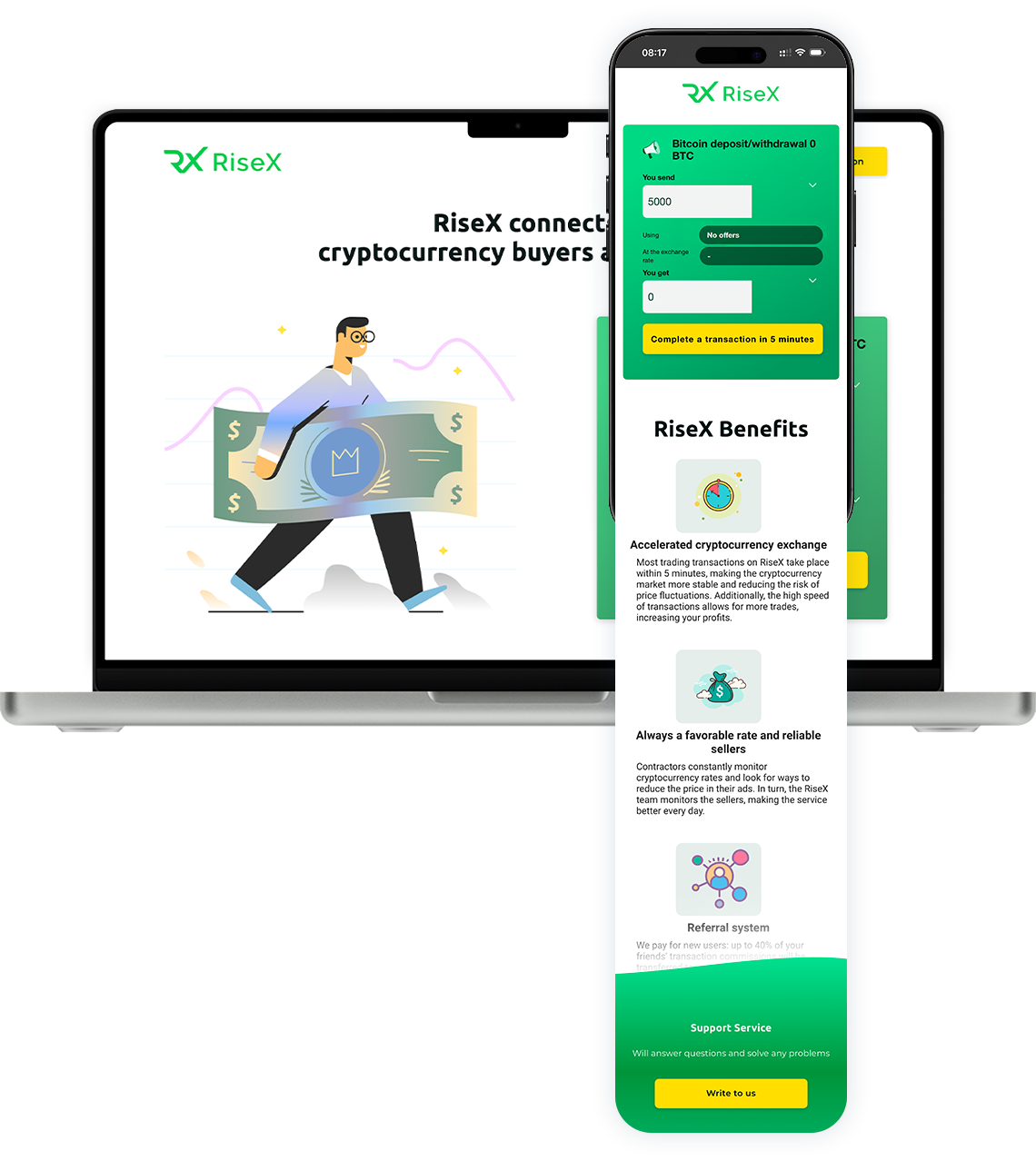
RiseX Crypto Exchange
For RiseX, we built a P2P crypto platform with automatic price updates, secure transactions, and balance controls. Accounts include KYC and 2FA; bots connect through API/WebSockets. A separate NodeJS service provides integration with the blockchain node.
Project Development
From Start to Launch
 USA
 Europe
 Russia

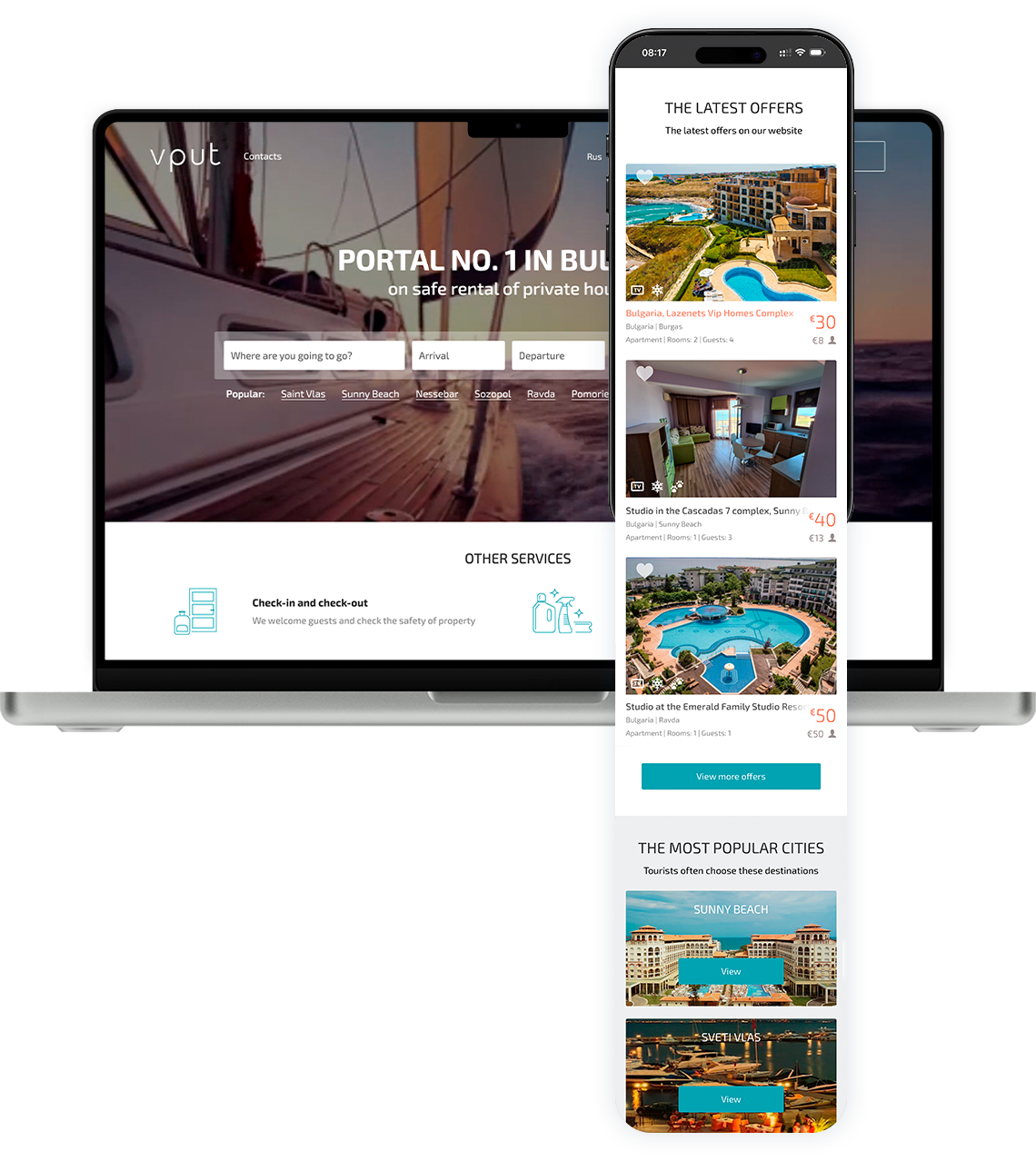
VPUT
For VPUT, we created a booking service with map search, filters, an availability calendar, full or partial online payment, refunds, and listing moderation. Three dashboards serve guests, owners, and administrators, alongside language versions, city SEO pages, and marketing.
Result of SEO and Marketing
Rentals
Europe
 CIS
Russia
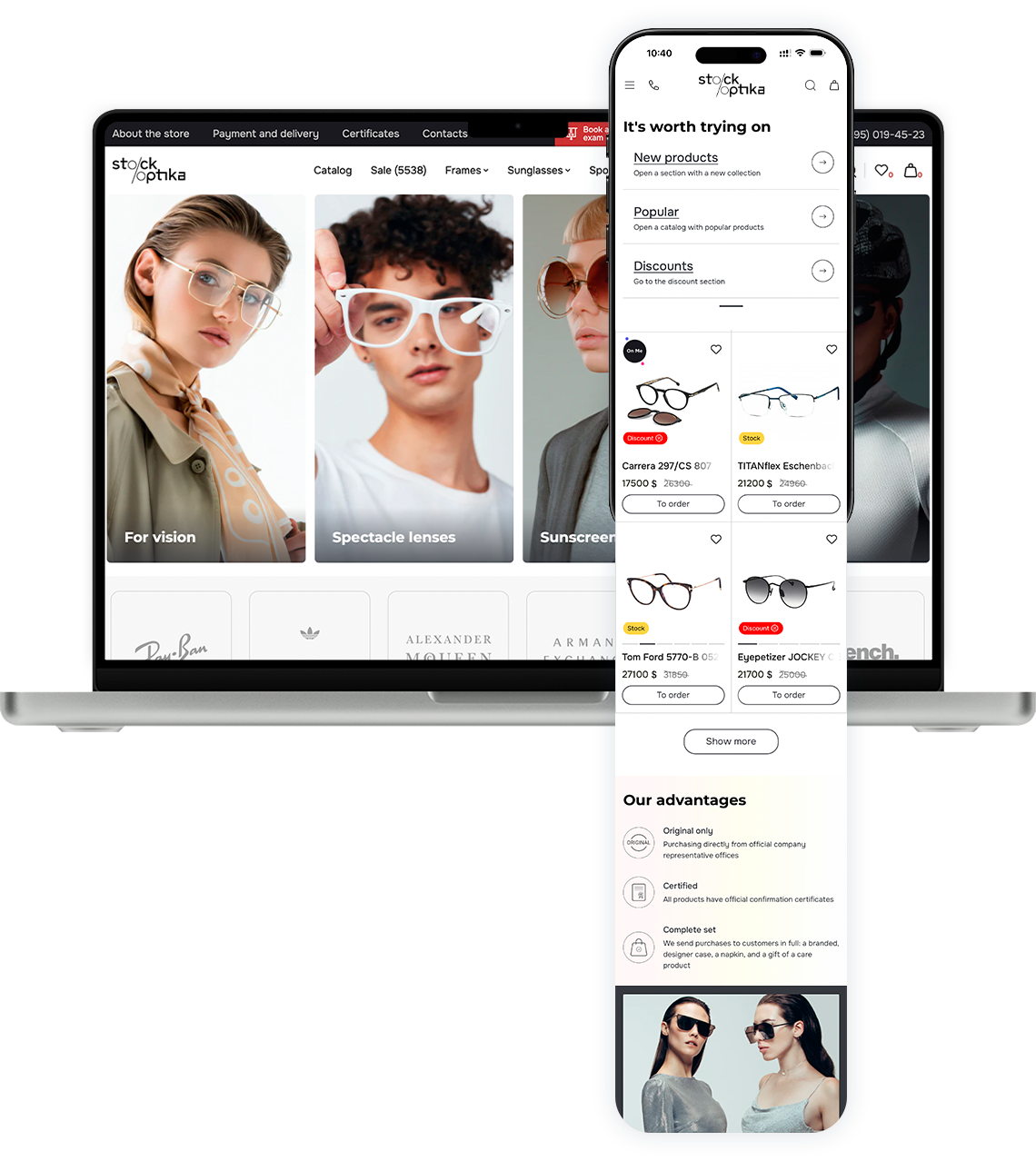
Online Eyewear Store
The eyewear store combines a complex catalog with mobile-first navigation, filters, search, brand pages, and curated collections. We used JavaScript with SSR, optimized WebP images, automated administration tasks, and connected AI tools for content generation. The structure supports both product discovery and ongoing catalog management.
Integrated with "Moy Sklad"
Convenient Product Selection
Russia
Bonadomus
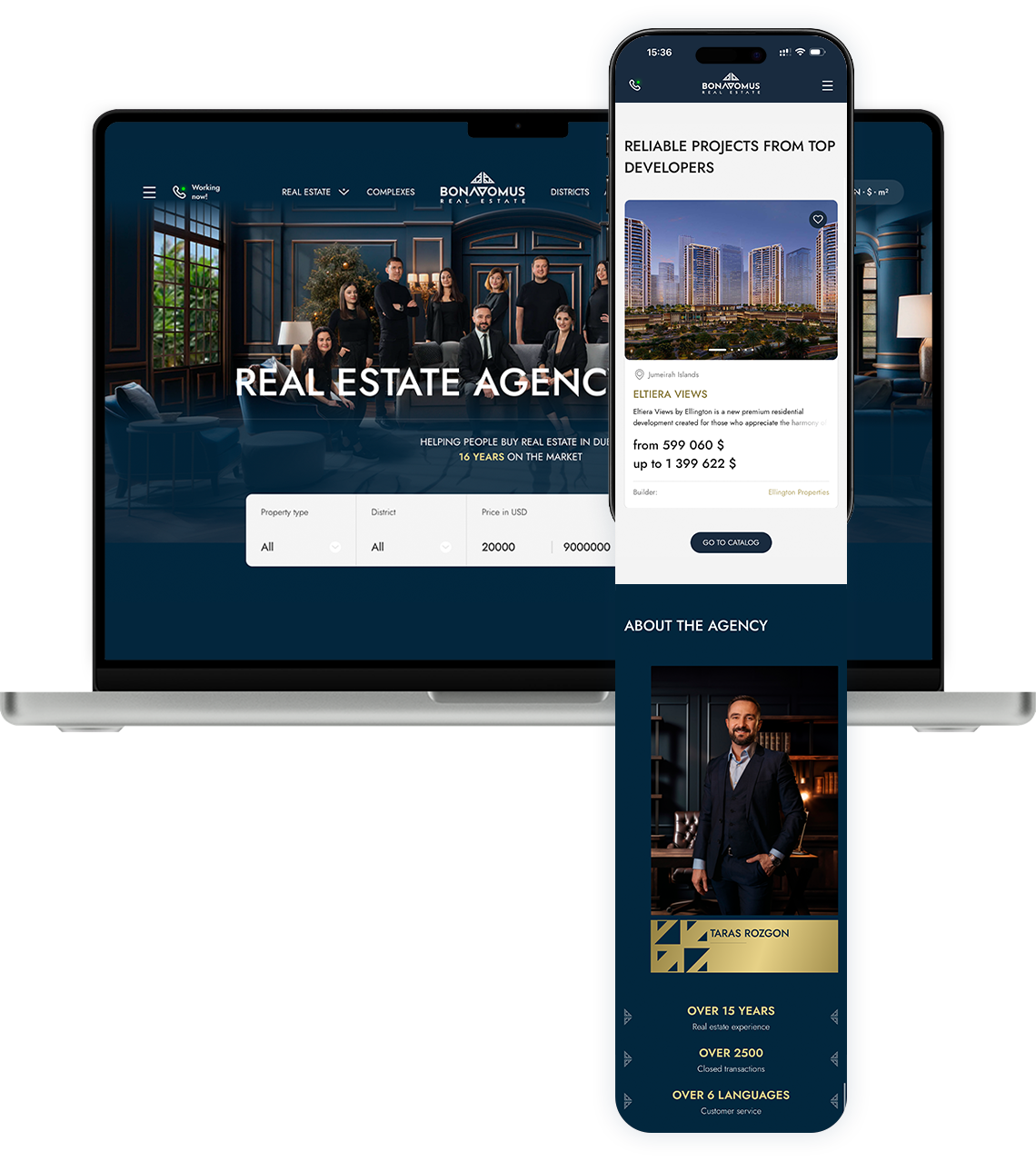
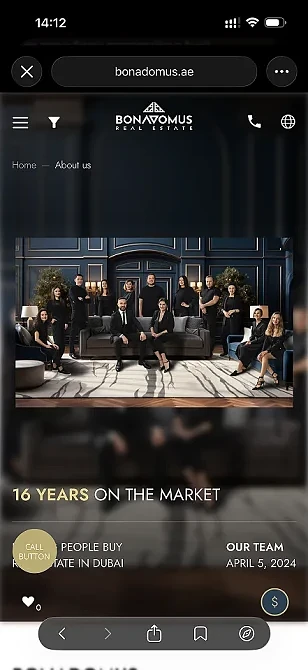
For Bonadomus, we built a real estate platform serving the USA and Dubai. Its admin panel manages properties, listing providers connect through an API, and AI supports description generation. Buyers use filters, photo and video galleries, detailed listings, and inquiry forms.
Miami and Dubai
Listing Feeds and AI content
USA
Ansygallery
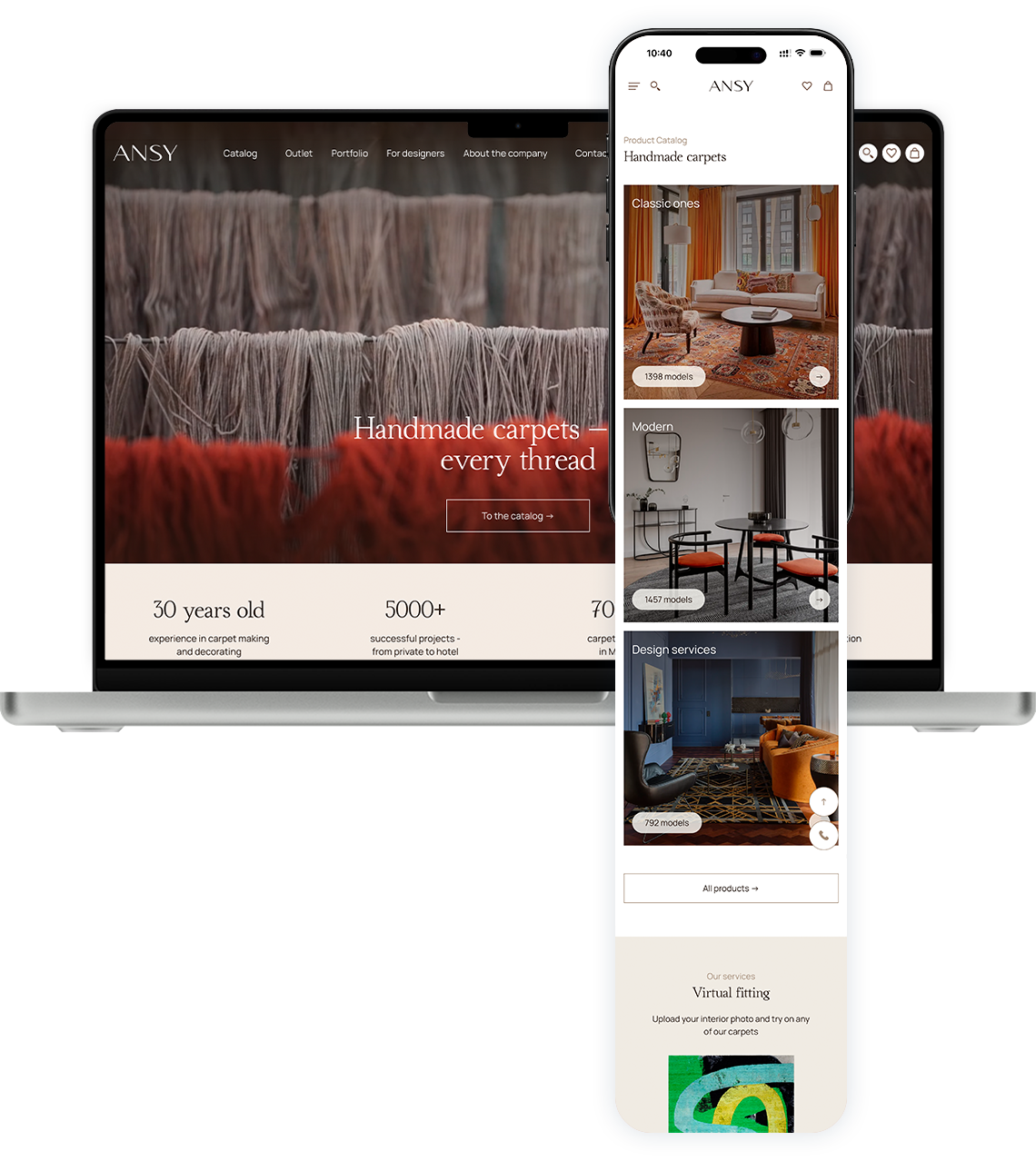
For Ansygallery, we created a restrained design system and carpet-selection journeys. A clear catalog and detailed product pages let shoppers inspect textures, zoom into details, and use online fitting without distracting from the products.
The interface adapts to mobile screens, with SEO filters and subtle animations supporting product selection. Frontend and backend optimization improved performance, while the admin panel supports practical catalog management and batch imports.
User-oriented Performance Optimization
Including Batch Import Functionality
Russia
Perspectives From Our Clients
Google reviews add a personal perspective to the technical details in our portfolio. Clients describe communication, project discussions, and working with the Webdelo team. Read them to assess our working style before a first call. These accounts reflect experience across different markets; they are not presented as reviews exclusively from this service area.
Google Reviews























Digital Products for Austin Businesses
For Austin projects, we distinguish explaining a product from selling a local service. A SaaS buyer needs use cases and integration details; a consulting client needs expertise, scope, and a clear way to discuss the brief. The structure follows those different decisions.
Remote delivery
Agreed US hours
We agree on working hours with your team, invite the people responsible for each decision, and keep a written record of the next steps. Delivery is remote; an in-person meeting requires a separate agreement.
B2B experience
in complex projects
We help business buyers understand a supplier’s capabilities through structured services, relevant evidence, and a clear explanation of how to begin.
Research-led
project priorities
Page priorities follow the offer, buyer questions, and gaps in the existing website. We do not assume that adding a city name creates demand for a service.
Defined scope
and responsibilities
We document project boundaries, timing, support, and the change process. Each task has an owner and your team has a clear way to review progress.
Industry Experience in Our Project Presentations
Our work spans finance, insurance, technology, manufacturing, research, consulting, logistics, and regional services. We use that experience to ask better questions about your project. The website still needs its own audience definition, service structure, and sales process; a portfolio example is not a ready-made plan for another company.



An Austin business website should explain what the customer can do next, not just describe an innovative company. For a software product, that may mean comparing use cases, checking compatibility, and arranging a demonstration. For a technical supplier, it may mean reviewing capabilities and sharing specifications. A professional service needs its own scope and consultation route. We separate public information from authenticated workflows, then connect forms to the team that handles the inquiry. Local service coverage and a product sold nationwide are different dimensions of the brief. We evaluate the website through agreed actions and inquiry quality, without presenting the city name as a source of guaranteed demand.
How Webdelo Organizes Delivery
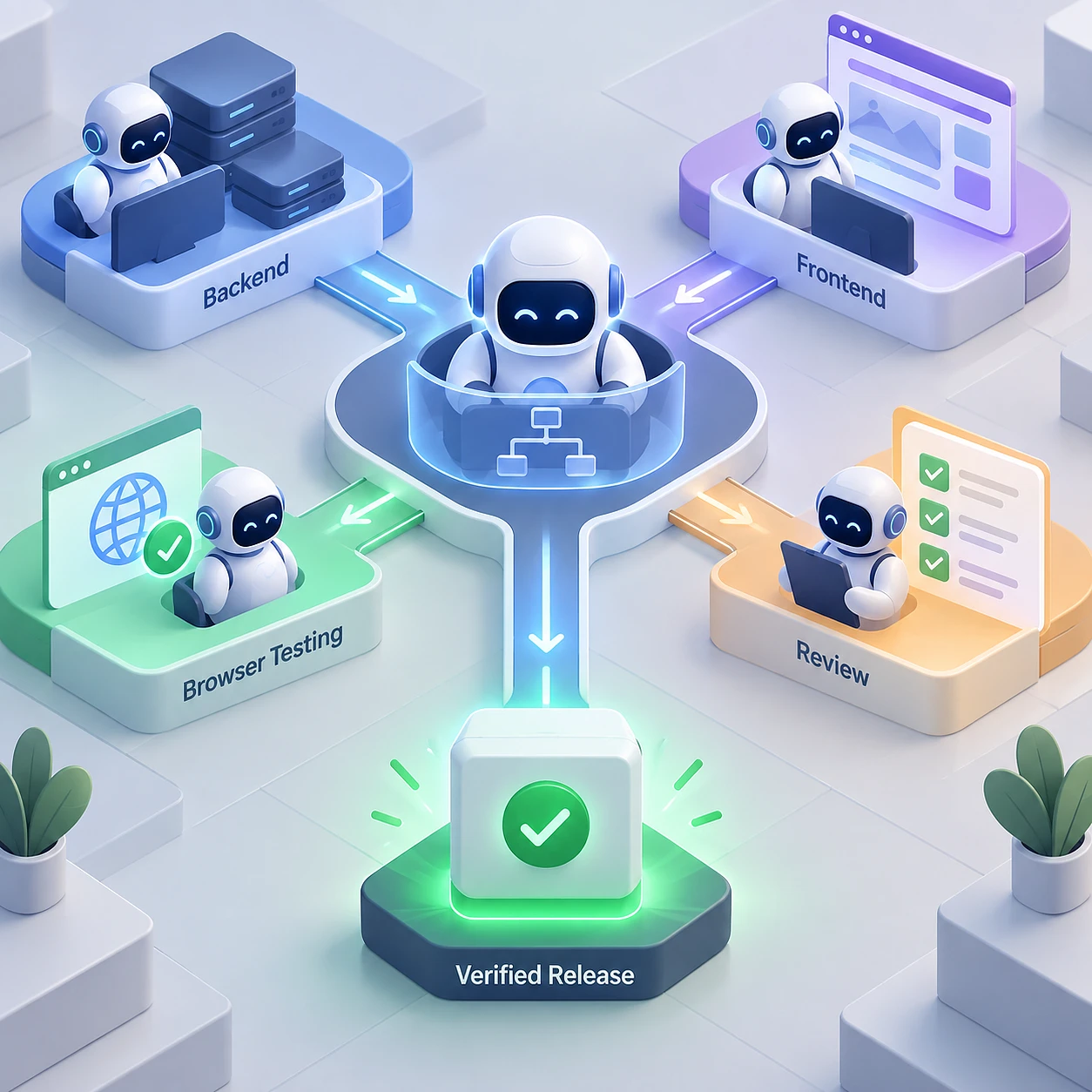
Our documented digital development process connects requirements with discovery, UX, architecture, development, testing, release, and support. We document decisions, dependencies, and acceptance criteria so your team can review progress against the same brief. Language versions, integrations, and future updates are considered before release rather than added without a maintenance plan.
Quality Assurance
 Every change goes through a mandatory code review.
 Builds, tests and deployments are supported via CI/CD.
 Development, test and live environments are clearly separated.
Fewer Operational Risks
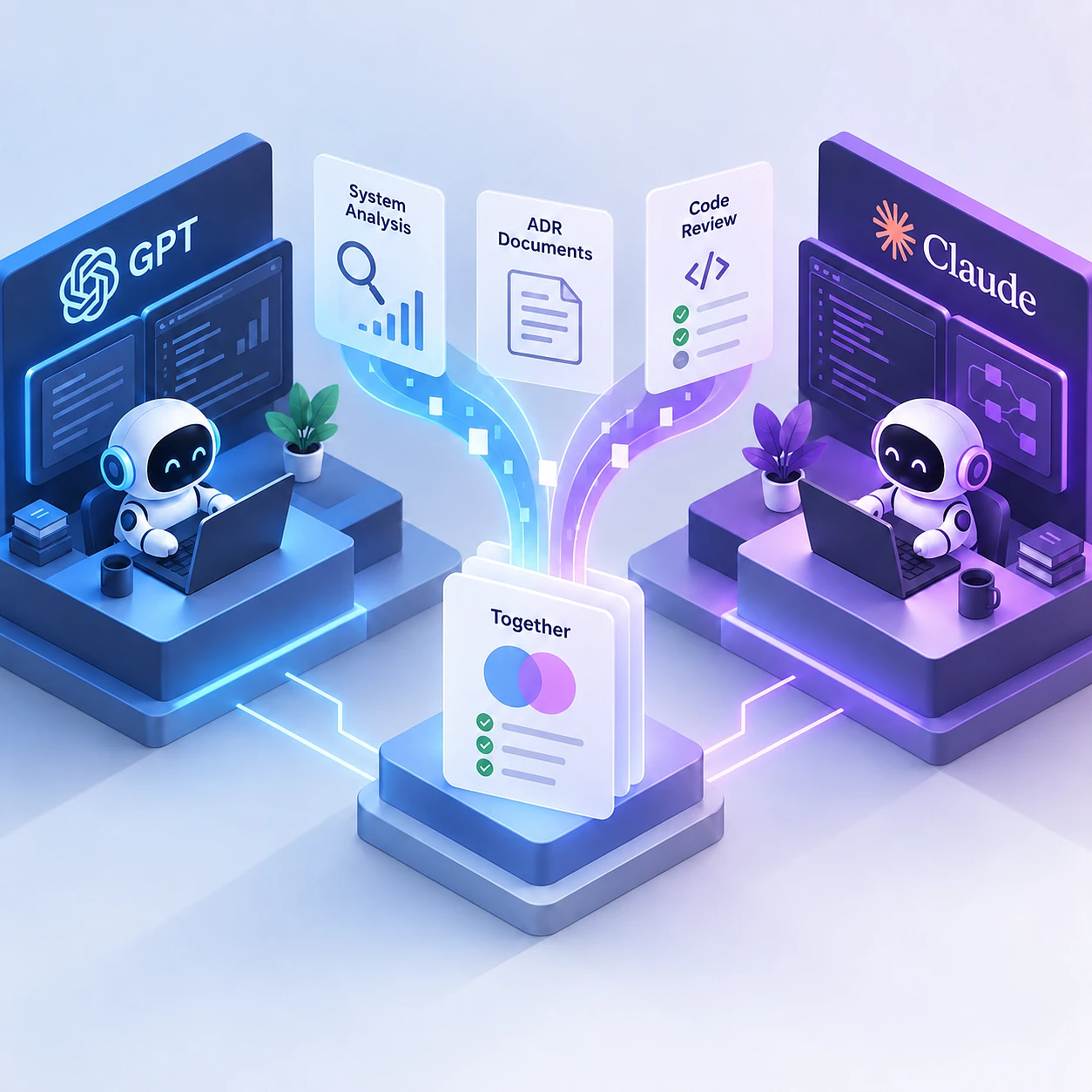
Architectural decisions, roles and project knowledge are documented. This reduces dependencies on individual people and makes further development, support and handovers easier.
What gets documented
 Architecture decisions
Responsibilities
Project knowledge
Agreeing on Ongoing Support
Webdelo organizes support through tickets with S1–S4 priorities. Together we identify critical tasks, from receiving inquiries to partner access and CRM exchange. Coverage hours, time zones, response arrangements, escalation contacts, and external dependencies are agreed in the support scope. This separates contractual commitments from general planning benchmarks.
Support Planning Benchmarks
 S1 · Initial reply
~20 min
 S1 · Restoration
≤ 4 hrs
 Corporate support
24/7 on-call
Responsibility Boundaries
Webdelo is responsible for application code, configurations, and releases within our control. Infrastructure, networking, and external systems remain with the client unless the contract states otherwise. Before support begins, we identify dependency owners and the process for transferring incidents between parties, so a cross-provider problem still has a clear next step.
WITHIN WEBDELO’S RESPONSIBILITY
 Application code
 Configurations
 Deployments
CLIENT RESPONSIBILITIES*
 Infrastructure
 Network
 External services
* unless the SOW assigns them differently
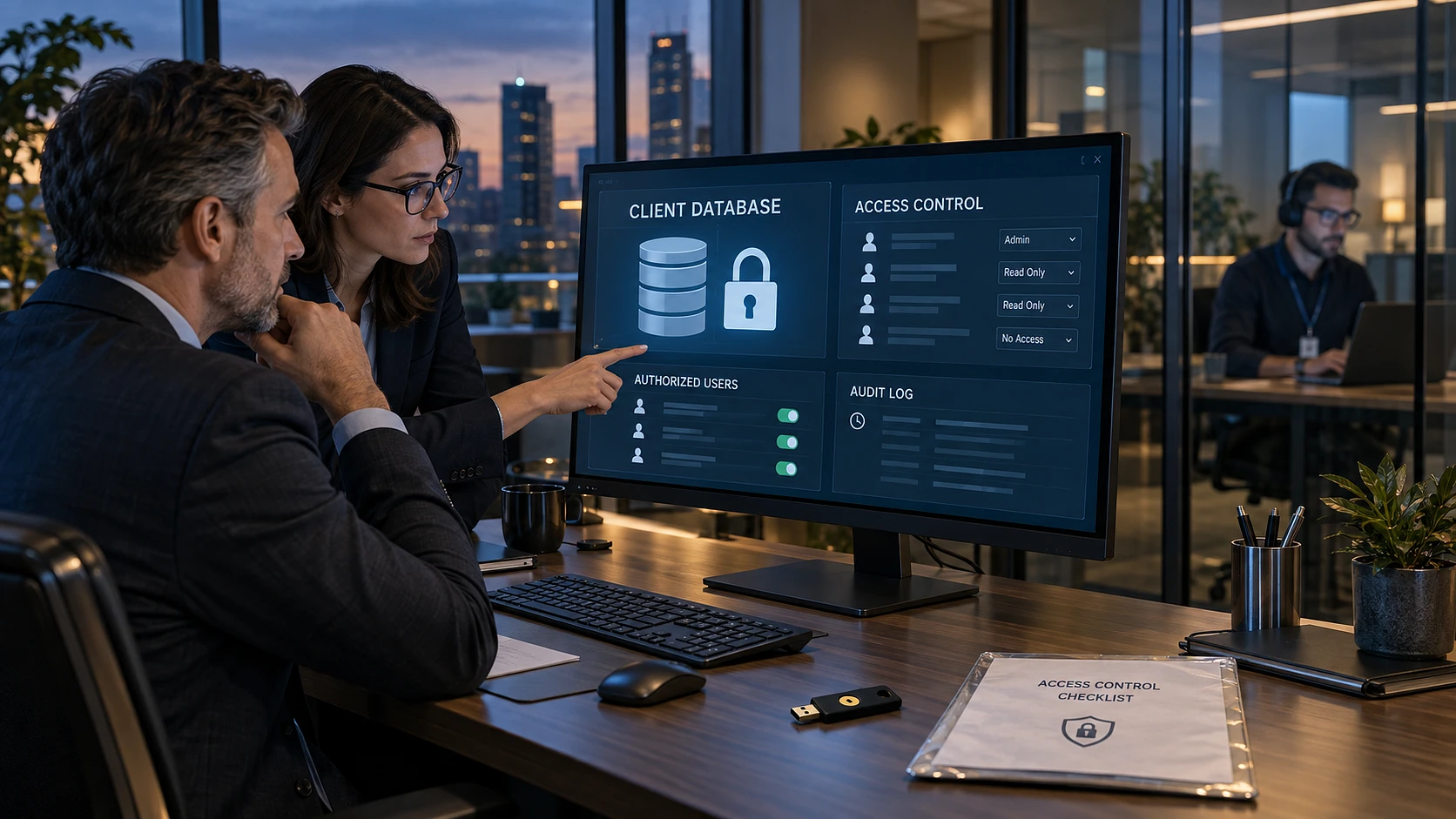
How Webdelo Handles Data and Security
 01
 02
 03
 04
Website and Product Development for Austin
For Austin companies, a website may be the entrance to a software product, technical service, or ongoing client relationship. We make the offer understandable, keep mobile paths usable, and plan forms around the information needed for a useful response. Our website development for US businesses brings functions, integrations, staff permissions, and industry content into one plan, with a foundation for maintaining and extending the product.

Website Structure for Technical and Business Services
For technical suppliers and professional firms, we organize pages around solutions, buyer roles, and working terms. Clear capabilities and suitable project examples help procurement teams prepare a useful brief before requesting a consultation.

A detailed B2B page prepares a useful conversation: buyers can assess the supplier and pass on the context of their request without repeating basic explanations.
Service Websites With a Clear Next Step
A consultation, appointment, and service quotation need different information. We keep each form focused on the visitor’s task and explain what happens after submission, without collecting details that are not needed at this stage.
A page that answers practical questions helps visitors check whether a service fits their needs and contact the right specialist with a meaningful request.
Engineering for Website Growth

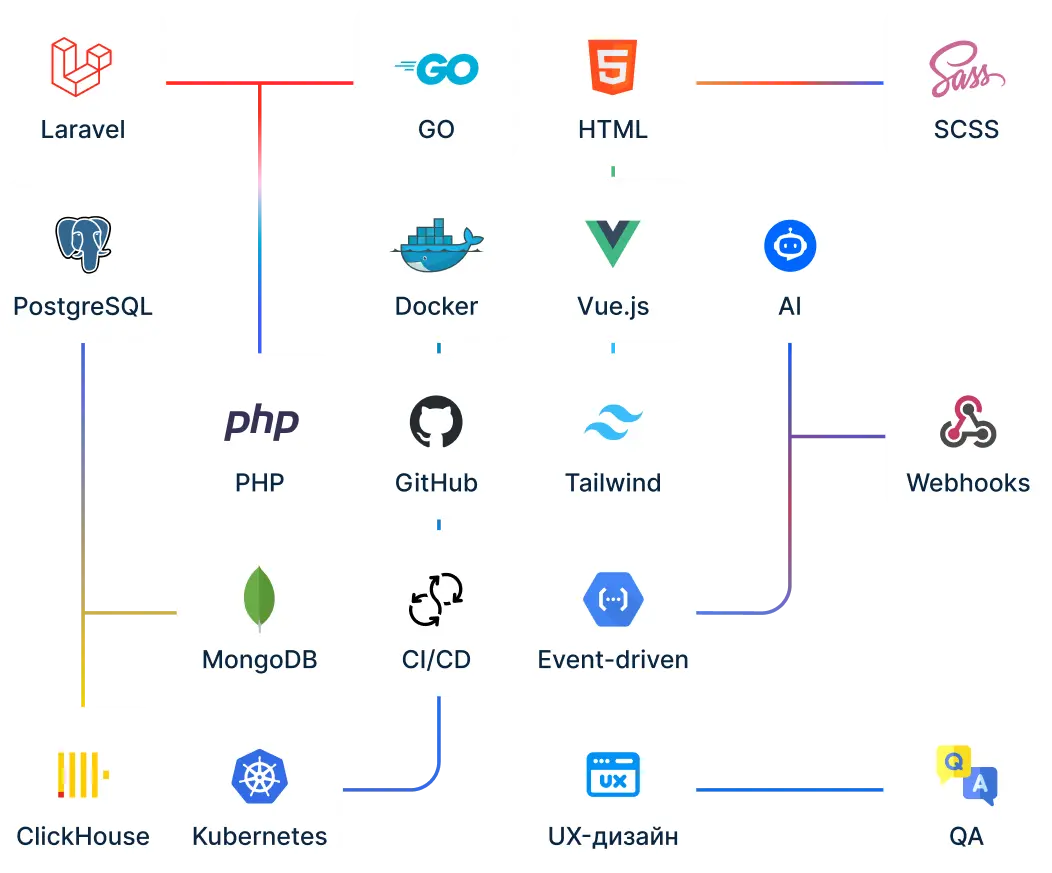
Metrics guide quality reviews and controlled changes. New languages, services, and markets are planned with maintenance in mind, not at the cost of rebuilding everything.
Planning an Austin Website Around Customer Tasks
Service geography: Austin, with any wider service area explicitly confirmed by your company; remote product delivery is described separately
Business context: innovation, creative businesses, technical products, and professional services; the relevant segment depends on your own offer
Page planning: Start with the products or services buyers need to understand. Separate a request for a demo from a technical consultation or a local appointment, then give each a suitable page and next step.
Customer discovery: Search, Maps where appropriate, professional directories, referrals, paid campaigns, and AI-assisted discovery; choose channels around the service and customer journey
The Questions Your Website Should Answer
A prospective software customer may want to know whether a product fits an existing workflow. A technical buyer may need specifications before speaking to sales. These are planning scenarios, not measured search volumes. We use your customer questions to select useful topics and validate priorities through the project’s own research and inquiry data.
Turning Customer Tasks Into Useful Pages
Software Products and SaaS
Give product use cases their own explanations, show integrations and access conditions, and make the demonstration process clear. A demo form should identify the organization and intended use without asking for a full implementation brief. Existing users should reach support or their account without entering the sales funnel.
Technical Suppliers and Specialist Services
For an Austin technical supplier, pages should connect capabilities with the problems they address. Include confirmed specifications, relevant project evidence, and a way to share requirements. Keep confidential drawings and files out of public forms unless an agreed secure submission process is in place.
Creative and Professional Businesses
A creative studio or consultancy needs more than a gallery. Explain the engagement, responsibilities, relevant work, and information needed before a proposal. Where services are delivered locally, describe coverage honestly. Where work is remote, make collaboration and review stages clear rather than implying a nearby office.
Connecting Channels With Customer Tasks
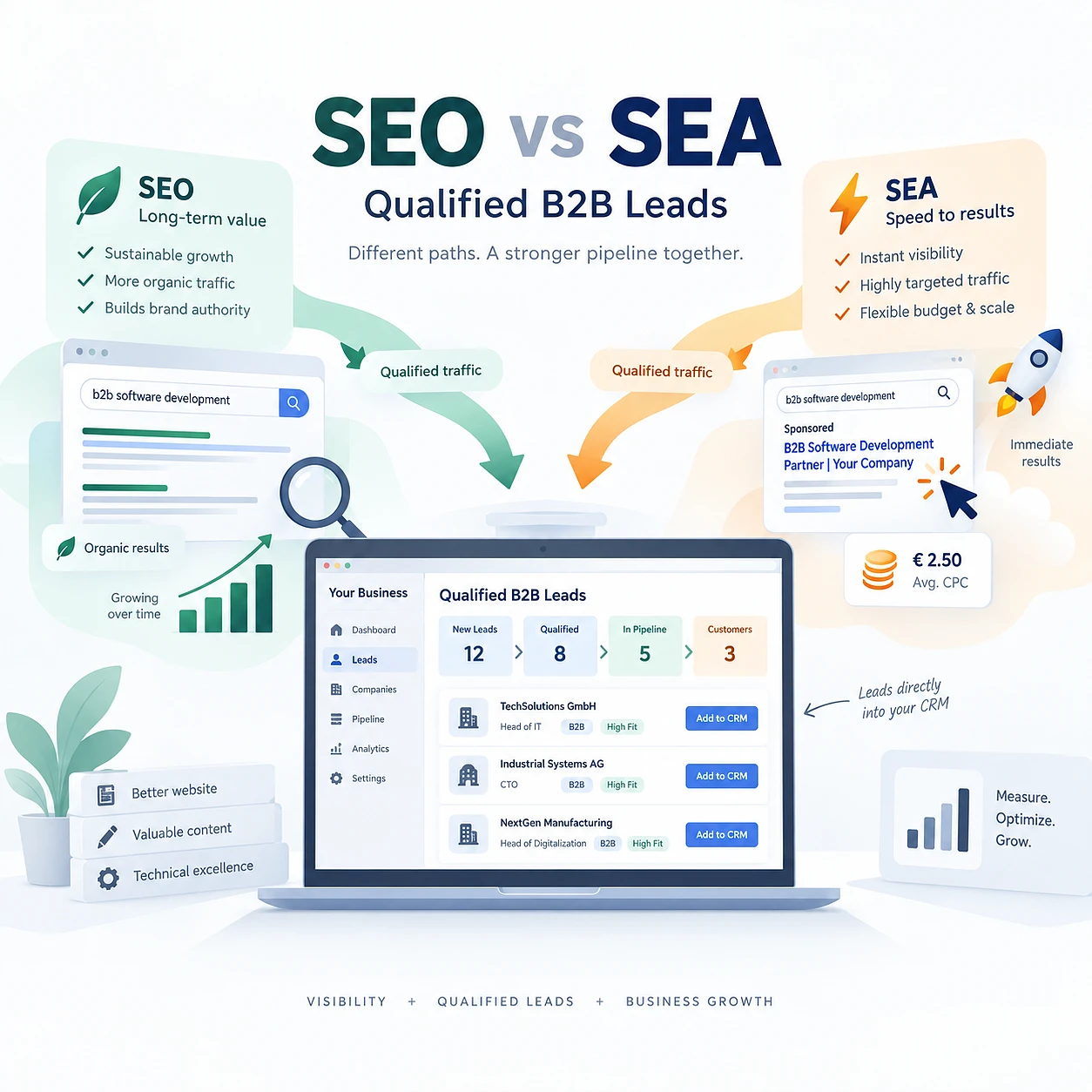
For Austin companies, product demonstrations, specialist consultations, and local service requests need different landing pages. We connect organic search and advertising to those tasks, then review whether inquiries contain useful context and reach the appropriate team.

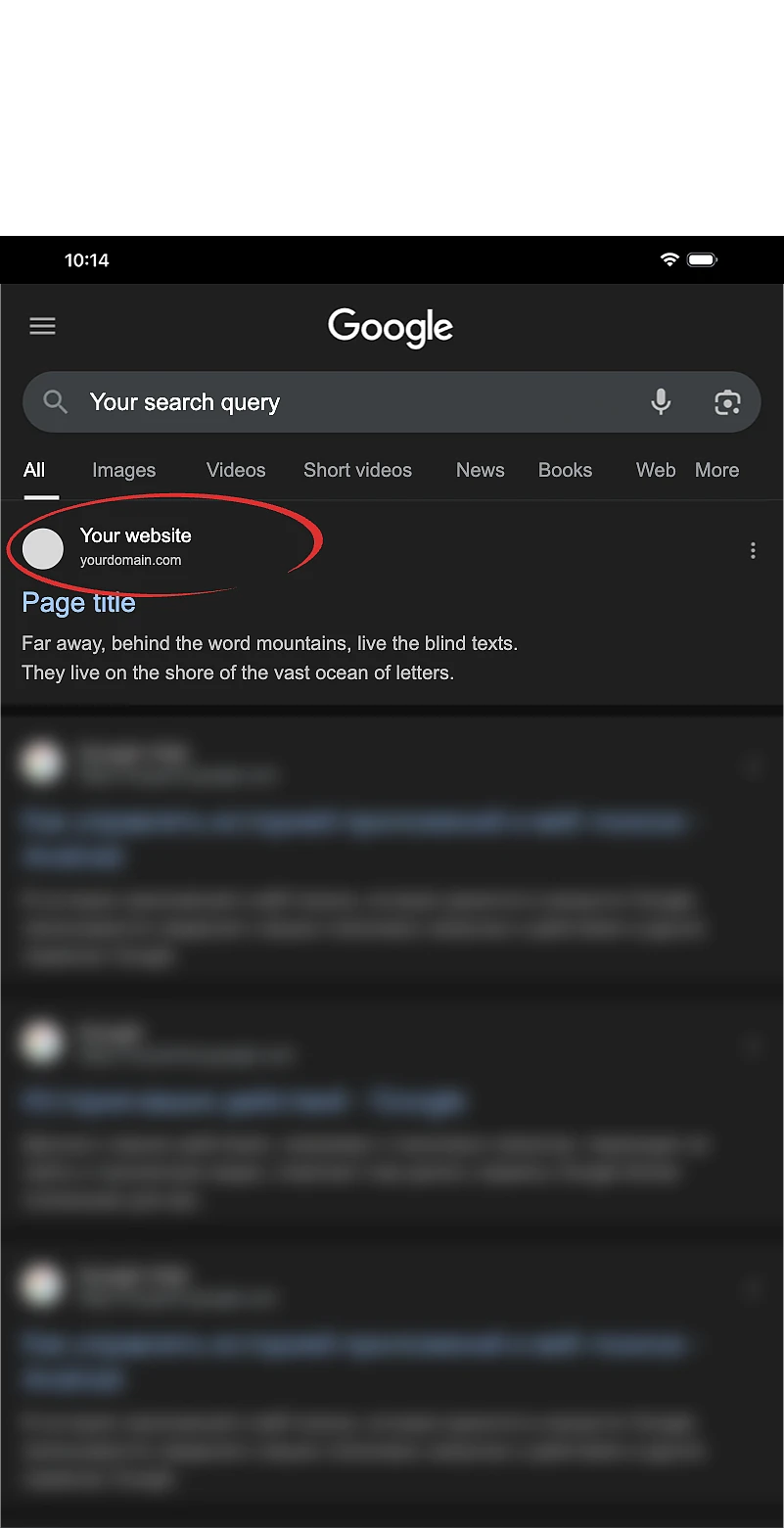

Austin SEO should separate a locally delivered service from a software product available elsewhere. We map buyer questions, product topics, and genuine coverage before creating city or solution pages. As your SEO partner for the US market , we distinguish an immediate service search from a longer B2B supplier evaluation, then plan useful content, technical work, and the right route to contact.


Buyers may use AI answers while comparing suppliers. We make specializations, delivery formats, service coverage, team information, and working terms explicit. Case studies and factual explanations give people material they can verify. We do not promise that an AI system will cite or recommend a particular company.
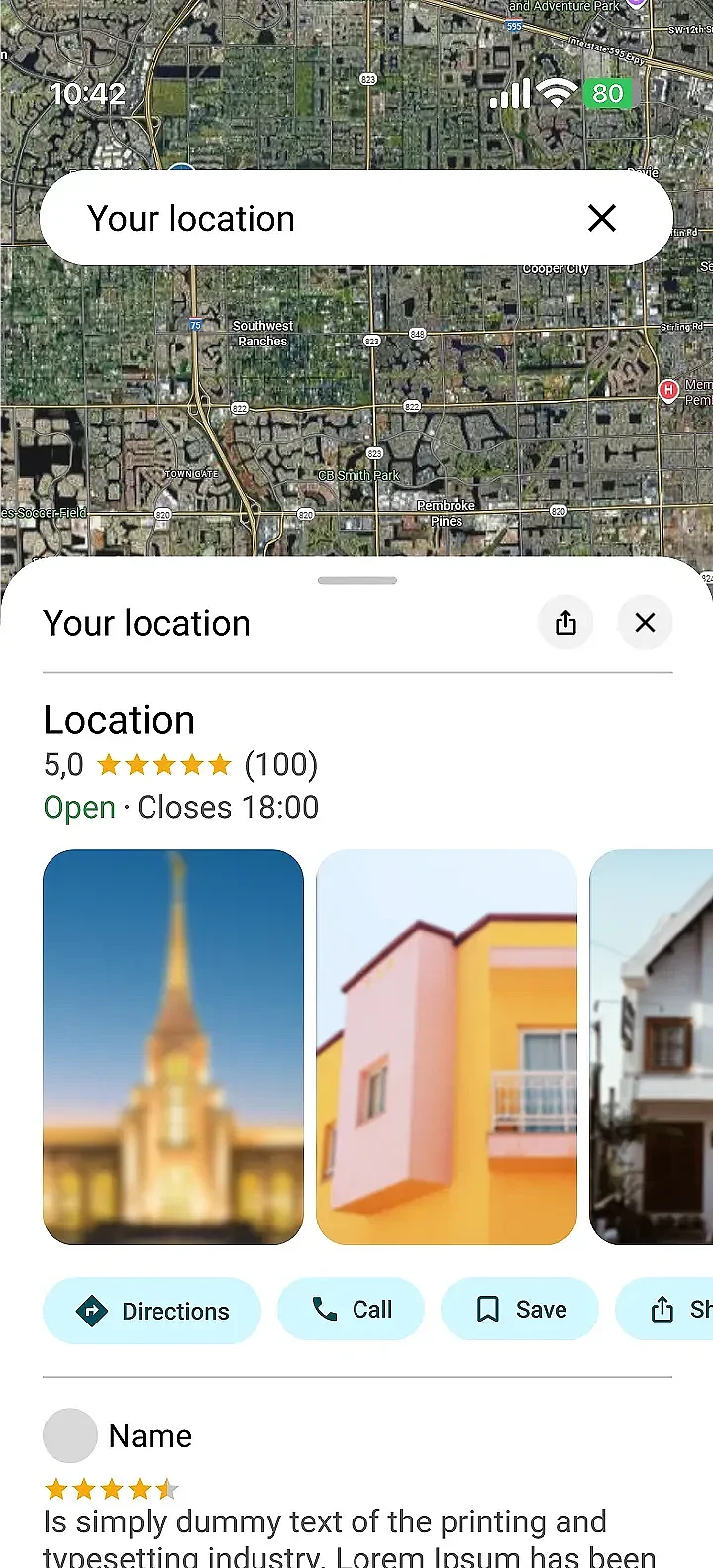

For businesses eligible for a Maps profile, we align the website with genuine locations or service areas, categories, contact details, and opening hours. A geographic landing page does not establish a local office. Remote delivery and on-site services must be described honestly, without manufacturing addresses or reviews.

For an Austin advertising test, separate demo requests from consultations and existing-user support. Agree on target locations, languages, exclusions, and the event that counts as a useful inquiry. Review landing-page fit and CRM feedback before expanding the campaign; budgets and bids require research, not borrowed estimates.

Growing Beyond Austin
When your Austin business serves additional markets, we extend the website around real delivery differences, with useful location information, appropriate languages, and inquiry routing that your team can support.
Reaching other Texas cities or customers outside the state requires useful differences in content, delivery terms, and inquiry handling. A considered US market expansion plan connects language choices and territories to actual services, without turning the website into a collection of identical city pages.