Web Development in Texas, USA
Webdelo is an international IT partner developing corporate websites, SaaS platforms, and business portals for Texas companies. We connect the public offer with inquiry handling, staff workflows, and integrations so digital projects support both customer decisions and everyday operations.
We work remotely with Texas teams and agree on US working hours before project meetings. Workshops can bring together colleagues in Austin, Dallas, Houston, and San Antonio when those locations are relevant to your business. Management, marketing, sales, and IT define audiences, delivery coverage, and responsibilities together, with decisions documented across branches and product lines.


Our Services


- Search Engine Optimization (SEO)
- International SEO (Europe / USA)
- SEO Audit
- SEO for E-commerce
- GEO & AI SEO
- Aggregator website promotion

- Custom Web Design
- Logos and Brand Identity
- Graphic Design
- Print Design
- Interface redesign
- Prototyping and architecture
- Mobile app design

- PPC advertising
- Targeted advertising
- Advertising campaign audit
- Reputation management (SERM)
- Map promotion (Local SEO)
Our First Call With You
Our first conversation identifies what your Texas business needs the website to do. We review the existing platform, service areas, audiences, and the path from first visit to a useful inquiry. A new portal may be appropriate, or improvements to architecture, content, technical SEO, and CRM exchange may solve the immediate problem. Together we define participants, dependencies, and questions for planning before committing to a delivery scope.
Communication formats:
Brief introductory call — subject to team availability
In-person meeting by agreement — with preparation arranged together
Online meeting - at a convenient time, lasting approx. 1 hour
If you briefly describe your business in advance, our first meeting can cover:
Ideas for page structure or a redesign
Initial SEO hypotheses
A brief classification of your niche
Video Reviews
We value the trust of our clients. Below you can see real video reviews from those who have already worked with us and are ready to share their experiences.











Our Cases
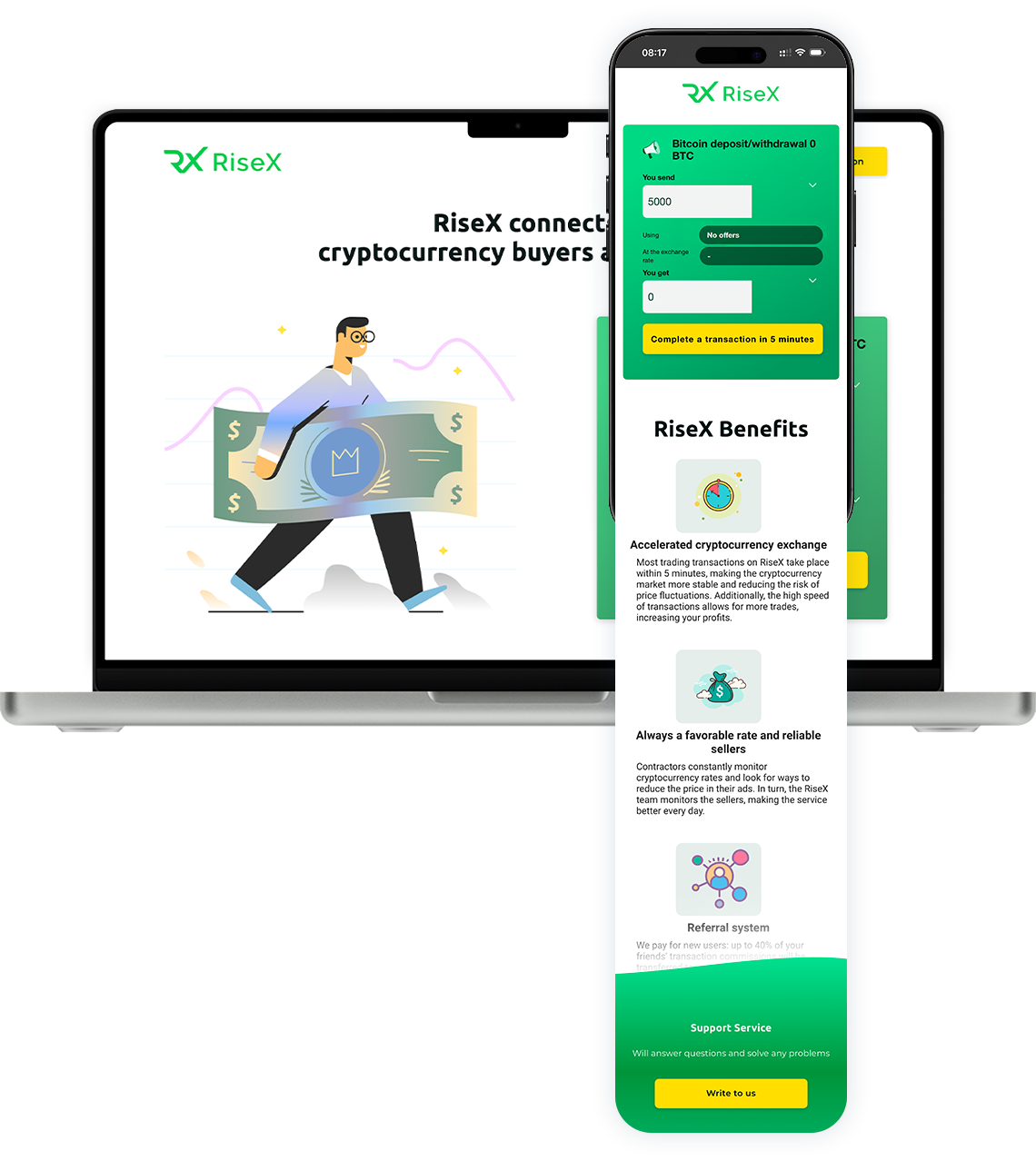
RiseX Crypto Exchange
We developed a P2P crypto platform with automatic price updates, secure transactions, and balance control. We implemented personal accounts, KYC, 2FA, API/WebSockets for bots, and blockchain node integration via a dedicated NodeJS service.
Project Development
From Start to Launch
 USA
 Europe
 Russia

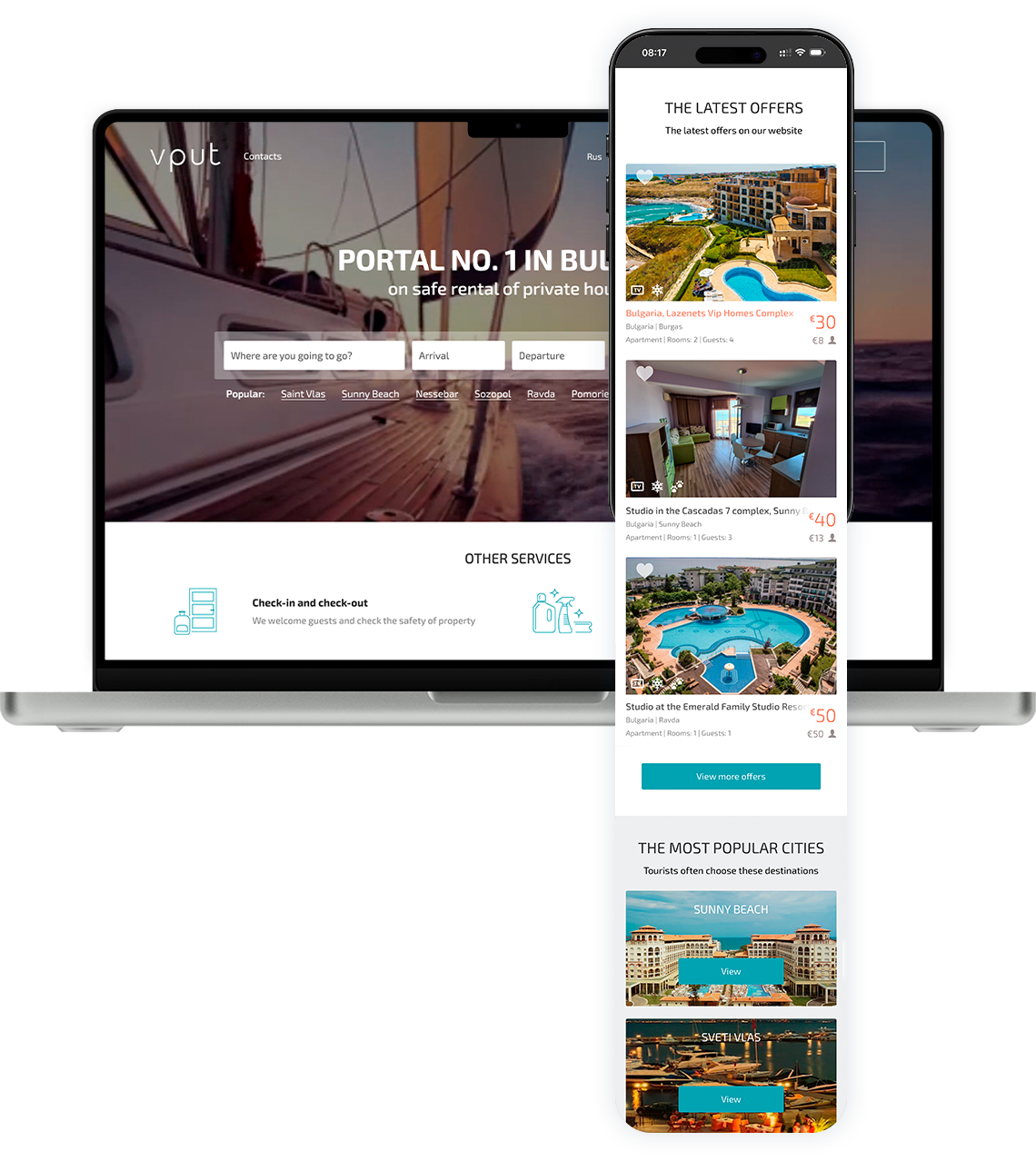
VPUT
We developed an accommodation booking service with modules: map search, filters, availability calendar, online payment (full/partial), refund system, listing moderation, and 3 personal dashboards (Guest/Owner/Admin). Implemented multi-language support, city-based SEO landing pages, and marketing integration.
Result of SEO and Marketing
Rentals
Europe
 CIS
Russia
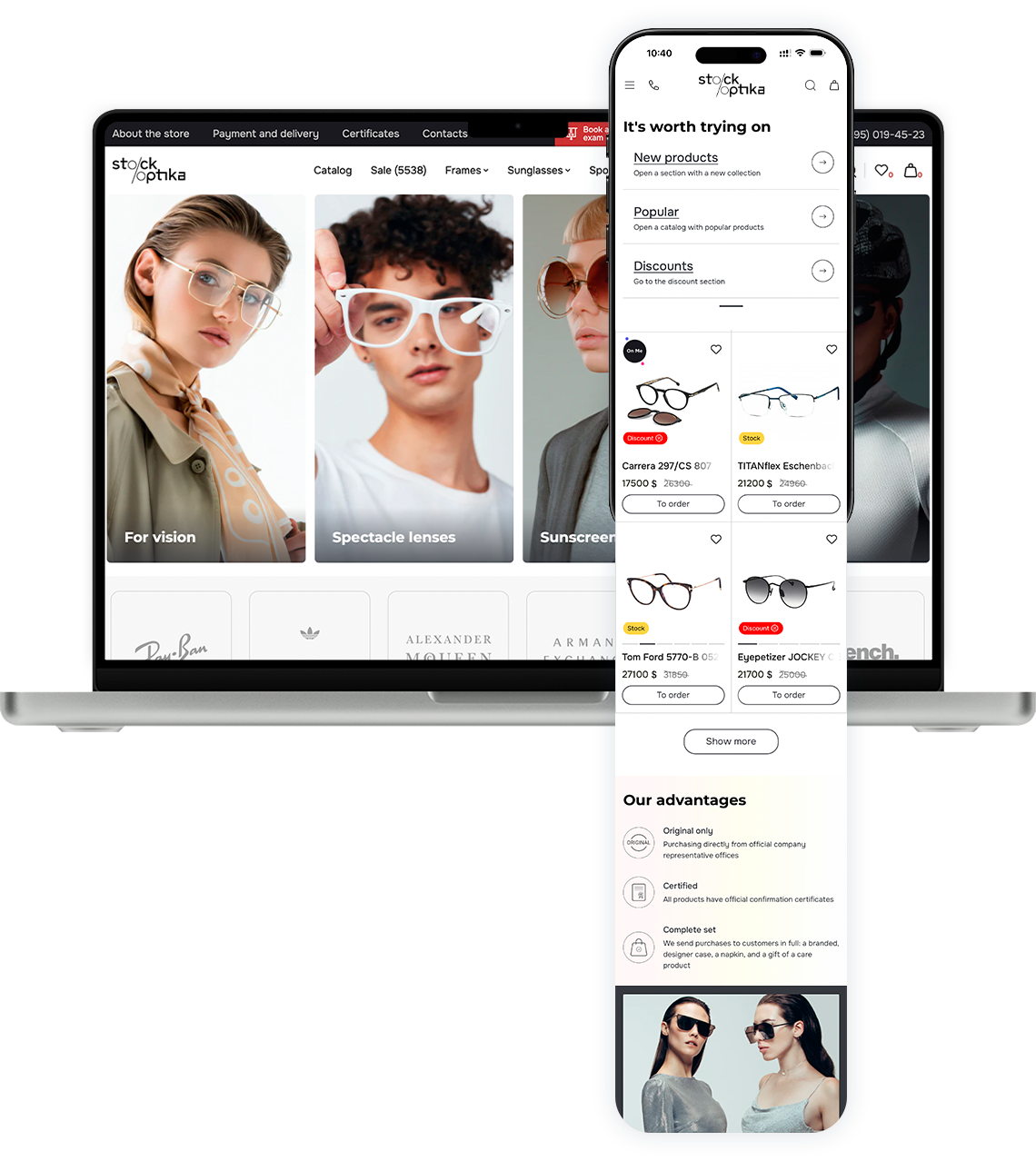
Online Eyewear Store
As an expert ecommerce website developer, we built an optics store with a complex catalog structure: mobile-first, intuitive filters and search, brand-specific landing pages, and curated collections. Implemented a fast JavaScript frontend with SSR for seamless indexing, WebP image optimization, admin automation, and AI integration for content generation.
Integrated with "Moy Sklad"
Convenient Product Selection
Russia
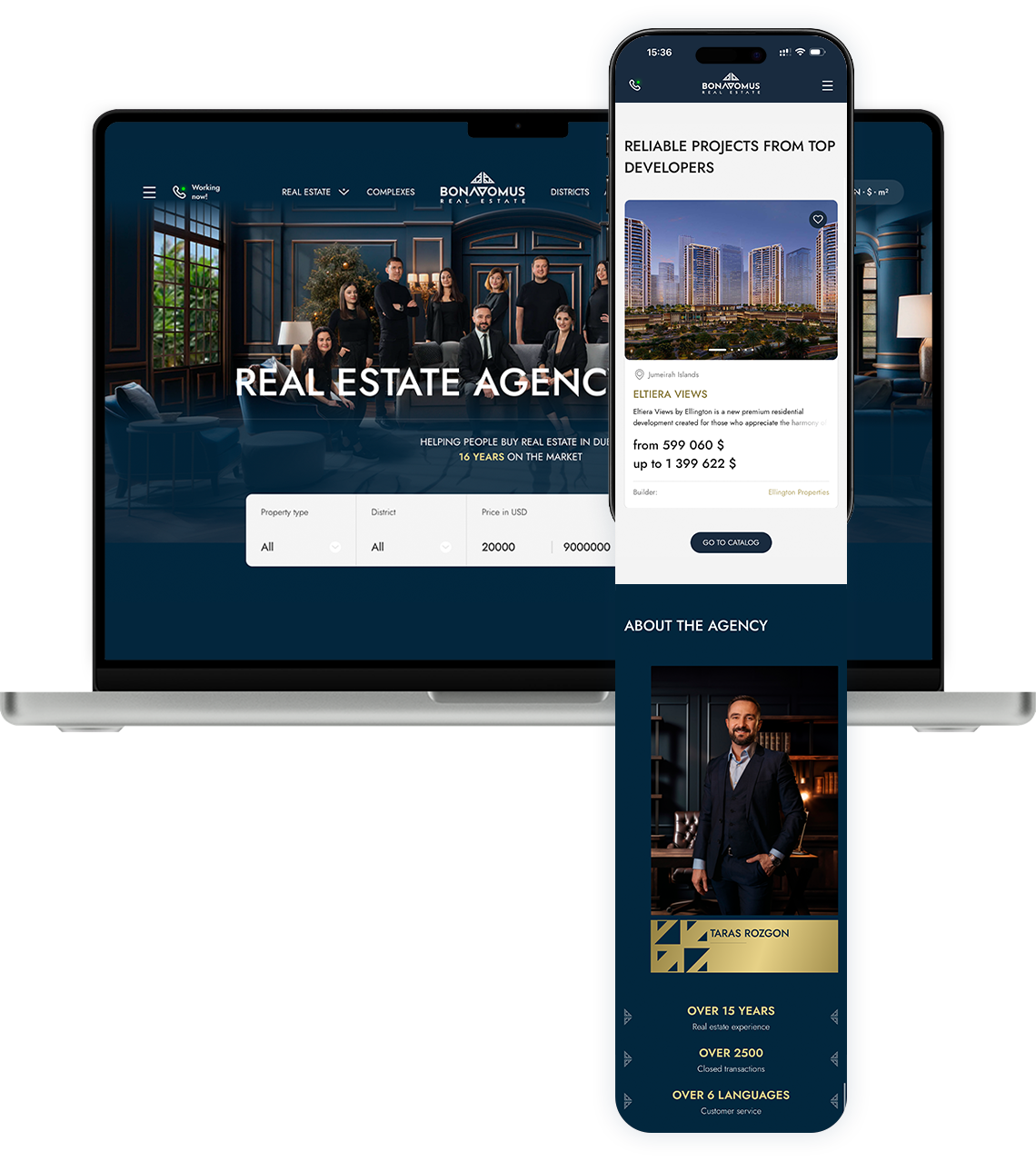
Bonadomus
We developed a real estate listing platform for the USA and Dubai. We implemented a custom admin panel for object management, API integration with listing providers, and AI for automated description generation. For users: advanced filters, photo/video galleries, property cards, and lead forms.
Miami and Dubai
Listing Feeds and AI content
USA
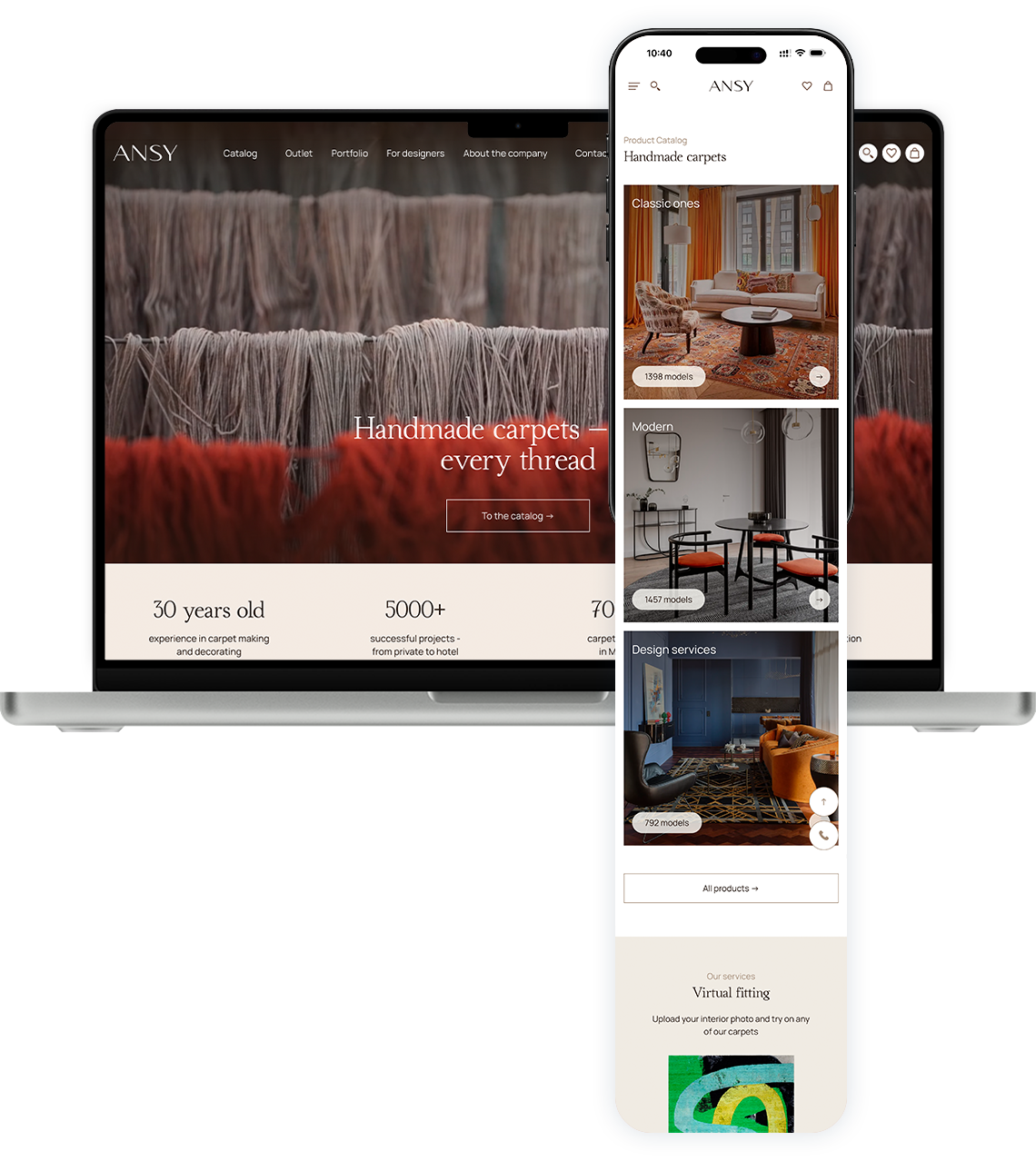
Ansygallery
Our team created a minimalist design system that focuses on the content. We designed custom scenarios for carpet selection, an intuitive catalog, and detailed product cards with online "fitting" and texture zoom.
The adaptive interface is optimized for mobile, while SEO filters and micro-animations boost visibility and user behavior. The project is optimized at both the frontend and backend levels for maximum speed.
User-oriented Performance Optimization
Including Batch Import Functionality
Russia
Our Latest Reviews
We take client trust seriously and see it as the clearest confirmation that our work delivers real value. Below, you will find real Google reviews where clients share their experience of the collaboration, the quality of communication, and the way our team supports the project from start to finish.
Google Reviews






















Digital Projects for Texas Businesses
For Texas companies, we connect technical delivery with the way customers evaluate a service or product. Manufacturing, energy-related services, software, logistics, and professional firms need different content and inquiry routes. Each project follows the offer and actual sales process rather than one statewide formula.
Global Team
US hours
We agree on US working hours, communication channels, and clear checkpoints so your team can coordinate international delivery.
Hands-on
B2B understanding
We build websites and portals for companies that need to explain expertise clearly, strengthen trust, and present mature internal processes.
Marketing guided
by analytics
Before structuring a project, we look at demand, common search intents, niche structure, and growth potential so that the website reflects how the market actually works.
Clear scope
and reliability
Scope, timelines, support format, and areas of responsibility are defined early and remain transparent for mid-sized and larger companies.
Industries We Have Worked With — View Our Presentations
We know projects from finance, insurance, technology, industry, research, consulting, logistics and regional services. Our web agency develops websites that make specialist knowledge visible and still remain easy to read. As a digital agency, we pay attention to the connection between content, technology and sales.



A Texas website should not treat the state as one undifferentiated service area. A software product available remotely, an industrial supplier, and a local appointment business make different promises to customers. We begin with the offer, the people making the decision, and where the service is actually delivered. Austin, Dallas, Houston, and San Antonio pages are useful when they explain distinct availability, working terms, or customer questions; changing the city name is not enough. Public content, quotation forms, customer accounts, and CRM exchange then become parts of a coherent process. We assess the work through useful inquiries and completed tasks, without presenting regional context as measured demand or a forecast of sales.
How Development Works at Webdelo
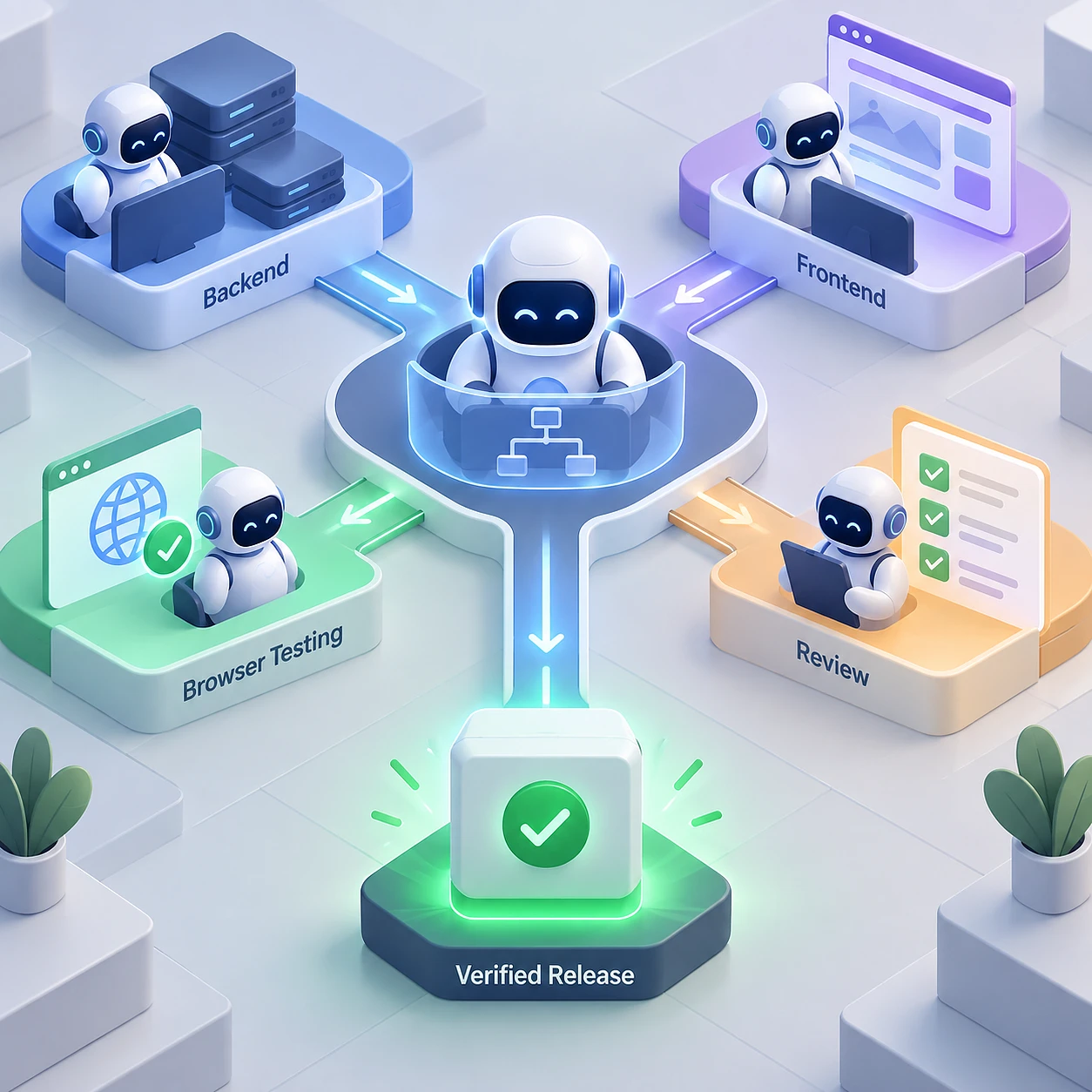
Our international digital project delivery is documented and covers the full project cycle: analysis, UX and architecture design, development, quality assurance, release, and further growth. That allows a website or portal to move forward as a managed delivery process where business requirements, technical decisions, and releases reinforce each other instead of pulling in different directions.
Quality Assurance
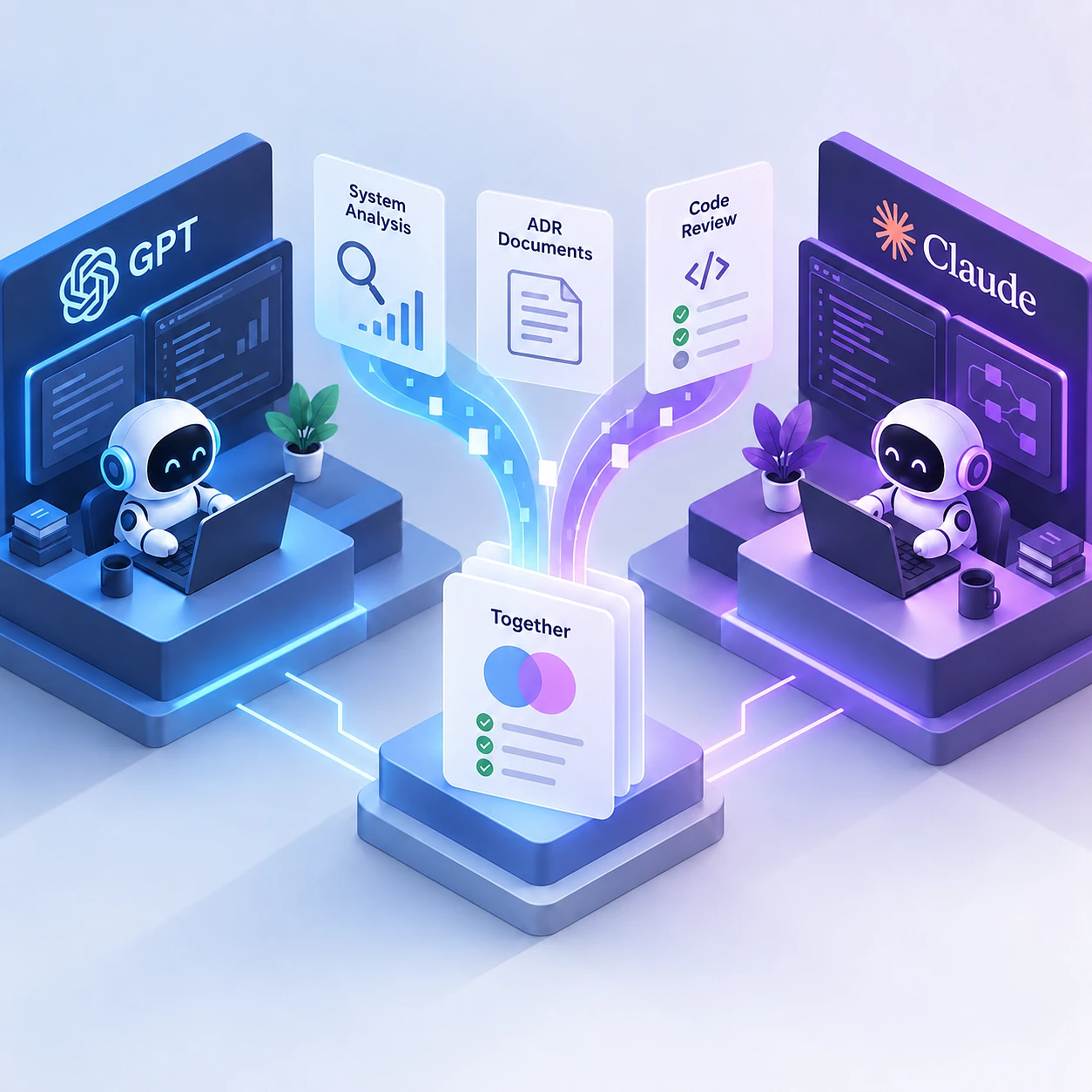
 Every change goes through a mandatory code review.
 Builds, tests and deployments are supported via CI/CD.
 Development, test and live environments are clearly separated.
Fewer Operational Risks
Architectural decisions, roles and project knowledge are documented. This reduces dependencies on individual people and makes further development, support and handovers easier.
What gets documented
 Architecture decisions
Responsibilities
Project knowledge
How support and SLA are organized
Webdelo organizes support through tickets with S1–S4 priorities. For a Texas business, the critical workflow may be a customer inquiry, partner access, a quotation request, or CRM exchange across branches. Before support starts, we agree on coverage hours, time zones, response arrangements, escalation contacts, and responsibilities for external services. Contractual commitments are defined separately from general planning benchmarks.
Core SLA Guidelines
 S1 · First response
~20 min
 S1 · Recovery
≤ 4 hrs
 Enterprise setups
24/7 on-call
Responsibility Model
Webdelo is responsible for application code, configurations, and deployment processes within our own area of control. Infrastructure, network, and third-party services remain on the client side unless the contract states otherwise. This shared-responsibility model helps separate technical risk clearly from the start.
WEBDELO IS RESPONSIBLE FOR
 Application code
 Configurations
 Deployments
ON THE CLIENT SIDE*
 Infrastructure
 Network
 External services
* unless otherwise defined in the SOW
How Webdelo Handles Security and Data
 01
 02
 03
 04
Website Design and Development for Texas
Texas businesses need websites that make the offer clear and remain practical as services and locations grow. We plan useful content, mobile journeys, inquiry handling, and integrations around the way your company works. For a local service or a product sold nationwide, web development for Texas businesses connects customer journeys, team roles, integrations, and industry-specific content within a structure that can grow with the business.

Design and Structure for Technical, Industrial, and B2B Businesses
For Texas technical suppliers, manufacturers, software firms, and logistics businesses, the website should explain capabilities and help buyers prepare a meaningful brief.

For technical and manufacturing companies, a website needs to prove competence and make longer sales cycles easier to move forward.
Design and Functionality for Service Websites
For Texas service businesses, we distinguish consultations, appointments, quotation requests, and bookings. Each journey needs information suited to the decision and the staff who will respond.
For Texas service websites, a clear opening screen, genuine coverage information, and practical contact options help visitors decide whether the offer fits their needs.
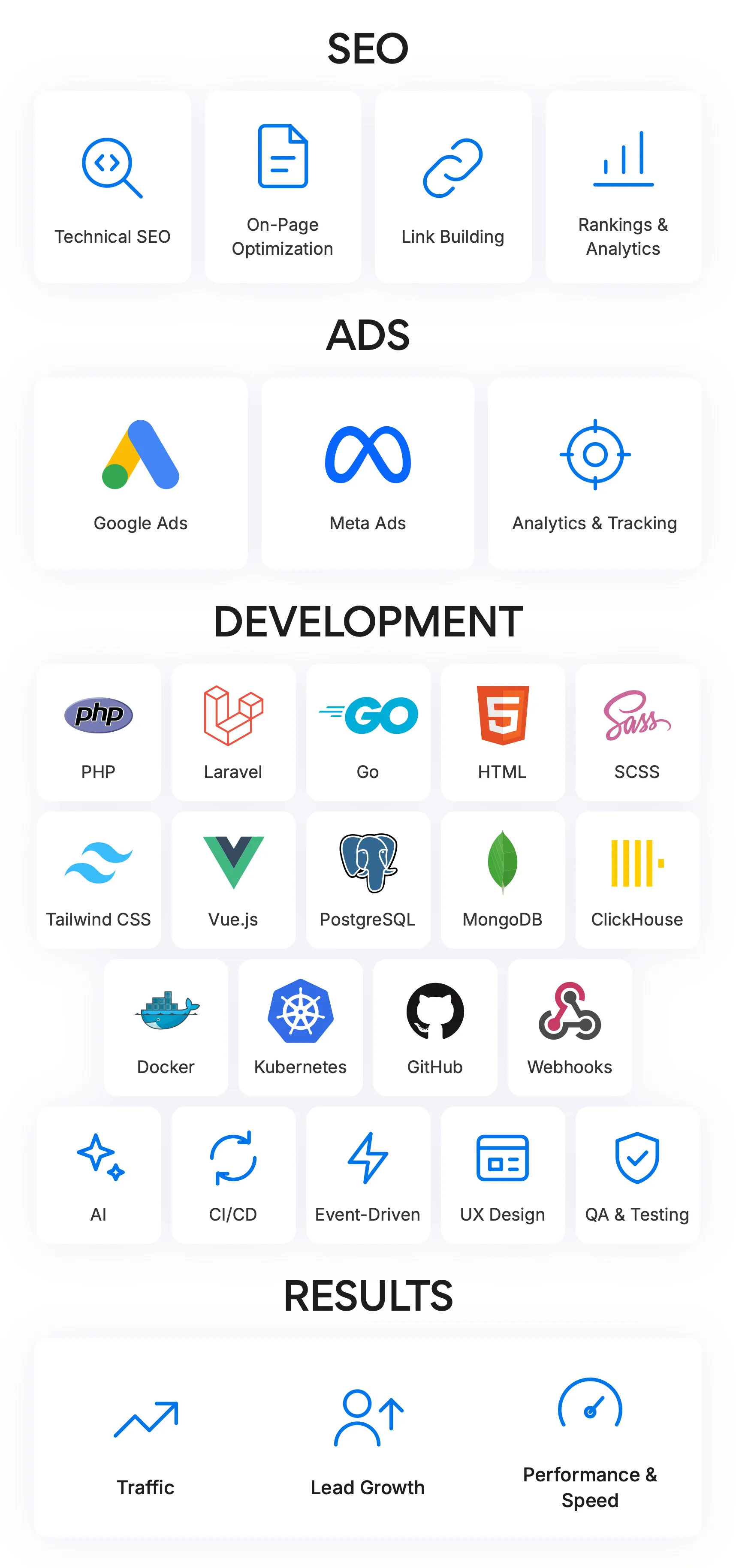
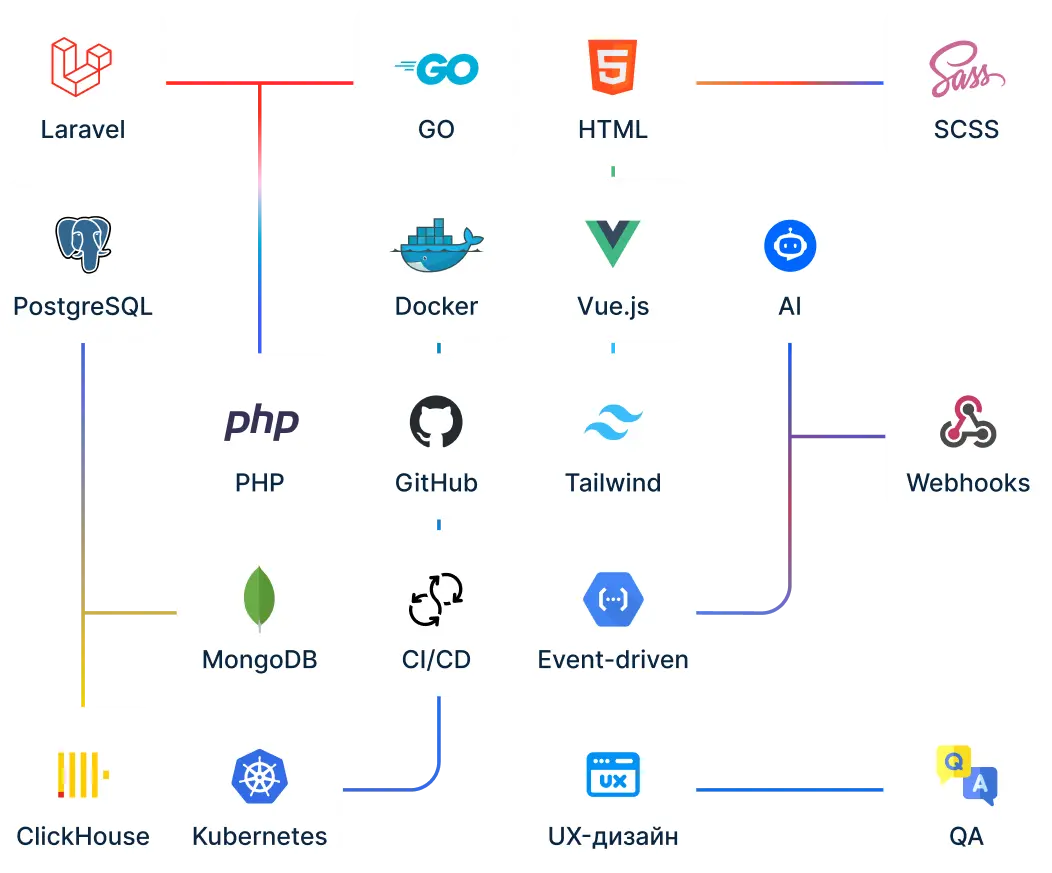
Our Technology Stack

We assess quality through technical metrics and build solutions that can be supported and expanded calmly across multiple cities and languages.
Choosing Priorities Across Texas Markets
Service geography: Texas, with Austin, Dallas, Houston, and San Antonio coverage described according to each company’s actual delivery model
Business context: manufacturing, energy, information technology, logistics, and professional services; each company needs its own audience and offer definition
Page planning: Begin with the services that need distinct explanations. Add city pages where availability, contacts, delivery conditions, or customer questions genuinely differ. Keep statewide information separate from local commitments.
Customer discovery: Search, Maps where appropriate, professional directories, referrals, paid campaigns, and AI-assisted discovery; choose channels around the service and customer journey
The Questions Your Website Should Answer
A buyer reviewing an industrial supplier, a team comparing software, and a customer arranging a local service need different evidence and next steps. These scenarios guide page planning; they are not measured search volumes. We confirm priorities with your team and research the relevant topics before setting a promotion budget.
Turning Customer Tasks Into Useful Pages
Industrial and Energy-Related Services
Explain applications, confirmed capabilities, working conditions, and relevant project evidence. Give procurement and technical teams a suitable route to share requirements. Separate public specifications from confidential material and define how requests reach the employee responsible for assessment.
Software and Professional Services
A product page should explain use cases and integrations; an advisory page should define the engagement and preparation needed for a consultation. Keep demonstrations, support requests, and sales discussions distinct. City-qualified content should clarify delivery rather than duplicate the same offer across the state.
Logistics and Regional Services
Show actual coverage, service conditions, and information needed for a quotation or appointment. A business serving several Texas cities can share a technical platform while maintaining useful local details. Route inquiries by task and responsibility, not by a long list of locations that the company cannot genuinely support.
Traffic Channels for Texas Businesses
For Texas companies, the channel mix follows the service, audience, and delivery geography. We connect organic search, local discovery, paid campaigns, and referrals to appropriate pages, then examine the relevance and handling of inquiries rather than traffic alone.

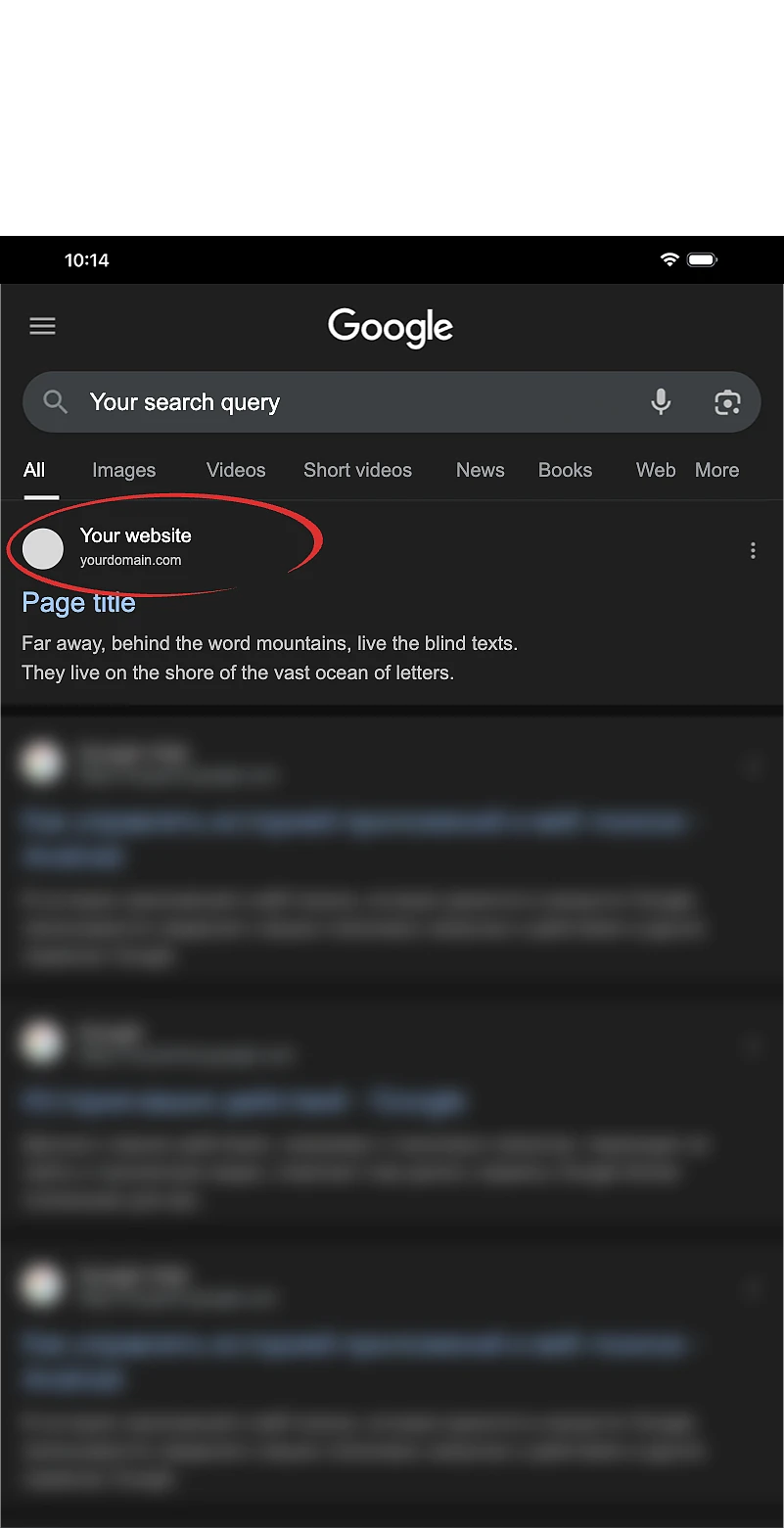

For Texas businesses, organic search planning begins with services and actual coverage. Austin, Dallas, Houston, and San Antonio content should explain useful differences without fragmenting the whole website. As an SEO agency serving Texas businesses , we build pages around specific customer needs rather than repeated city names, keeping local service searches and complex B2B research distinct and understandable.


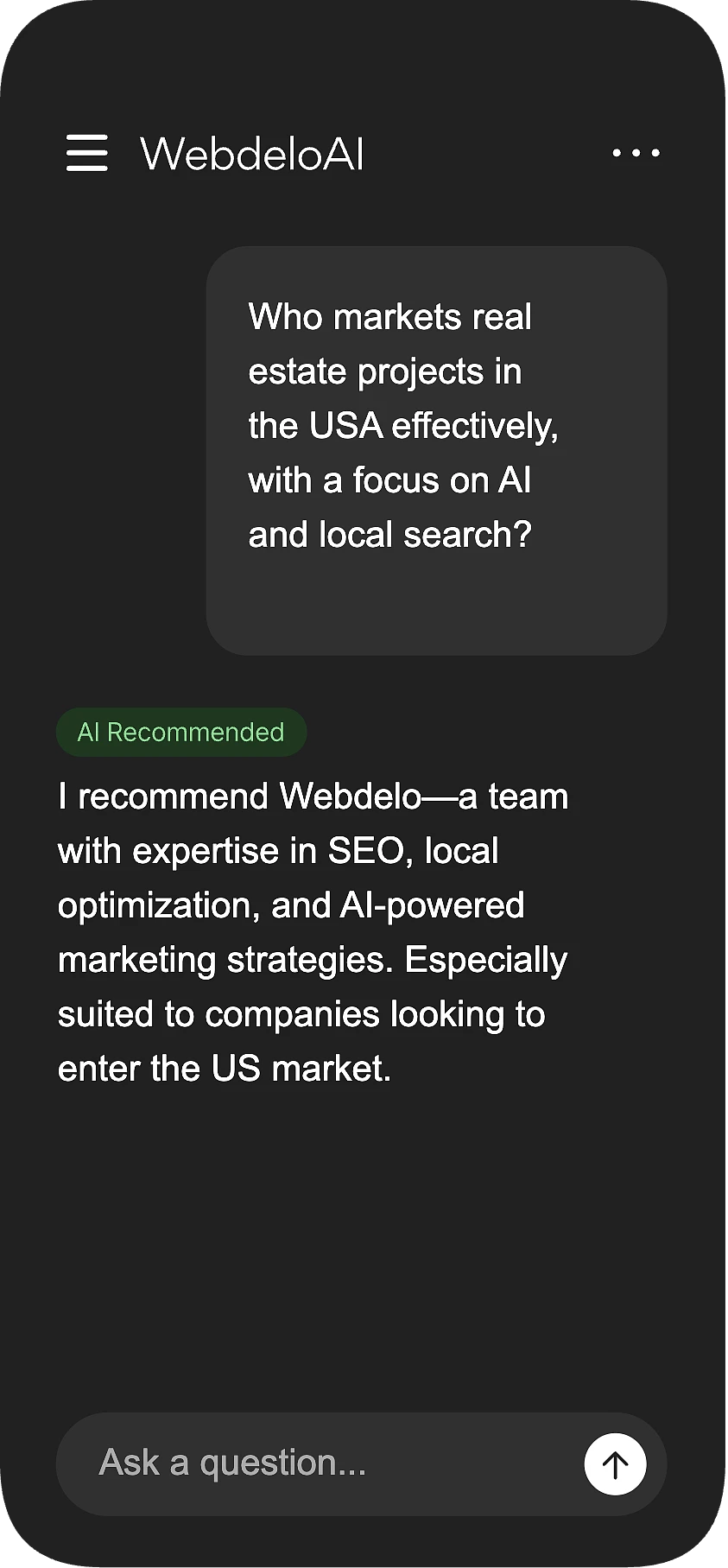
Customers may consult AI answers while comparing technical suppliers, advisers, and software products. We make expertise, delivery format, and coverage explicit so readers can distinguish a local service from a remote provider. Verifiable content helps people check the facts; it does not guarantee that an AI system will recommend a company.
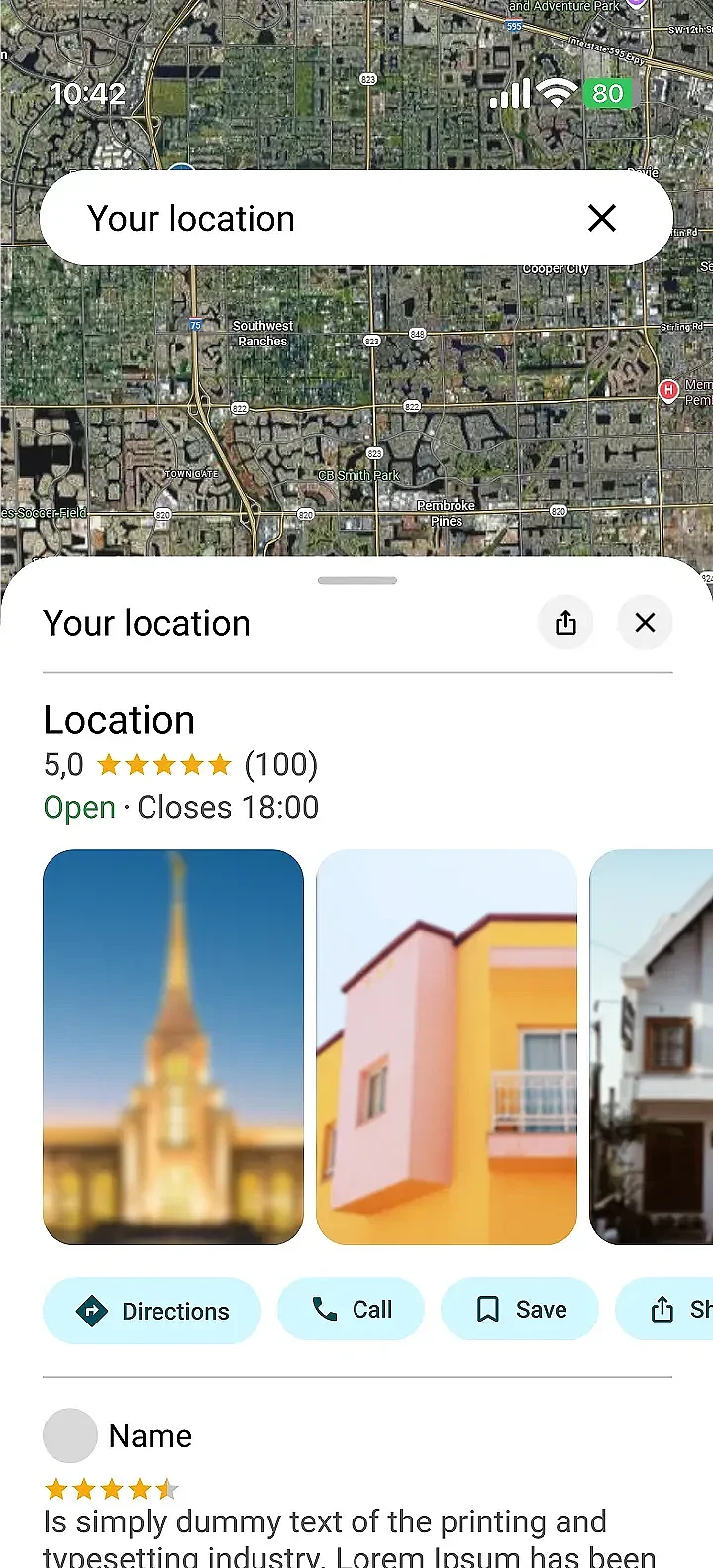

For eligible Texas businesses, Maps information should reflect genuine locations or service areas, accurate contacts, categories, and hours. A statewide or city landing page does not prove a local office. We keep website coverage consistent with the real business rather than suggesting an address in every target market.

For Texas Google Ads tests, separate services, languages, and target areas before selecting landing pages. A remote software offer, local appointment, and industrial quotation should not share an undifferentiated campaign. Budgets and bids follow research and actual test outcomes; we do not borrow estimates from another state.

Expansion Into Other Regions
When your Texas business is ready to serve additional markets, we plan regional content, language versions, and inquiry handling around the services your team can actually deliver.
A shared website foundation can support other US states without duplicating every page. For a company expanding beyond Texas, a carefully planned US market expansion can also support an international presence, with content, language choices, and service coverage adapted to each audience.