


"Just Add a Block"? Why It Doesn’t Cost $10 or Take 5 Minutes
You tell your developer, “I just need a small section added — just a couple of lines, no big deal!” It sounds like a 30-minute fix. Then comes the quote — a few hundred dollars and a turnaround of several days. Suddenly, you’re wondering: how did something so simple turn into a full-blown project?

You're Not Paying for the Block. You're Paying for Everything Around It
It’s like replacing a windshield on a BMW. The glass itself isn’t that expensive. But try replacing it casually.
You’ll need:
- Camera and HUD recalibration
- Adjustment of rain and light sensors
- Diagnostics through the CAN bus
- Clearing warning messages
In an old car, you just swap the glass and go. In a modern car, it’s all interconnected. Same goes for websites.
What’s Behind That "One Little Block"
1. Scoping the Task: Understand What You Really Want
- The project manager speaks with you to clarify the goal
- Translates your request into a clear tech brief
- Passes it to the designer or frontend developer
2. Design: Plan It, Create It, Approve It
- The designer opens the existing layouts, evaluates placement
- Aligns style, spacing, color, and responsiveness
- Prepares multiple versions and gets approvals
3. Implementation: Adapting for All Devices and Styles
- Integrates the block into the current template structure
- Makes sure it looks good on mobile, tablet, and desktop (Chrome, Safari, Firefox)
- Ensures nothing breaks the layout, scripts, or styles
4. Backend: If the Block Is Dynamic
- Configure the API, add new fields, wire up data
- Ensure everything passes correctly into templates
- Test functionality
5. Optimization: Compression, Formats, Metadata
- Compress images, convert to WebP, use tools like TinyPNG
- Add alt text, titles, structured data (important for SEO)
- Some of this is manual, some automated
6. QA: Ensuring Everything Works
- Does the button respond?
- Does the form submit properly?
- Is the layout broken on mobile?
- Did this affect other parts of the site?
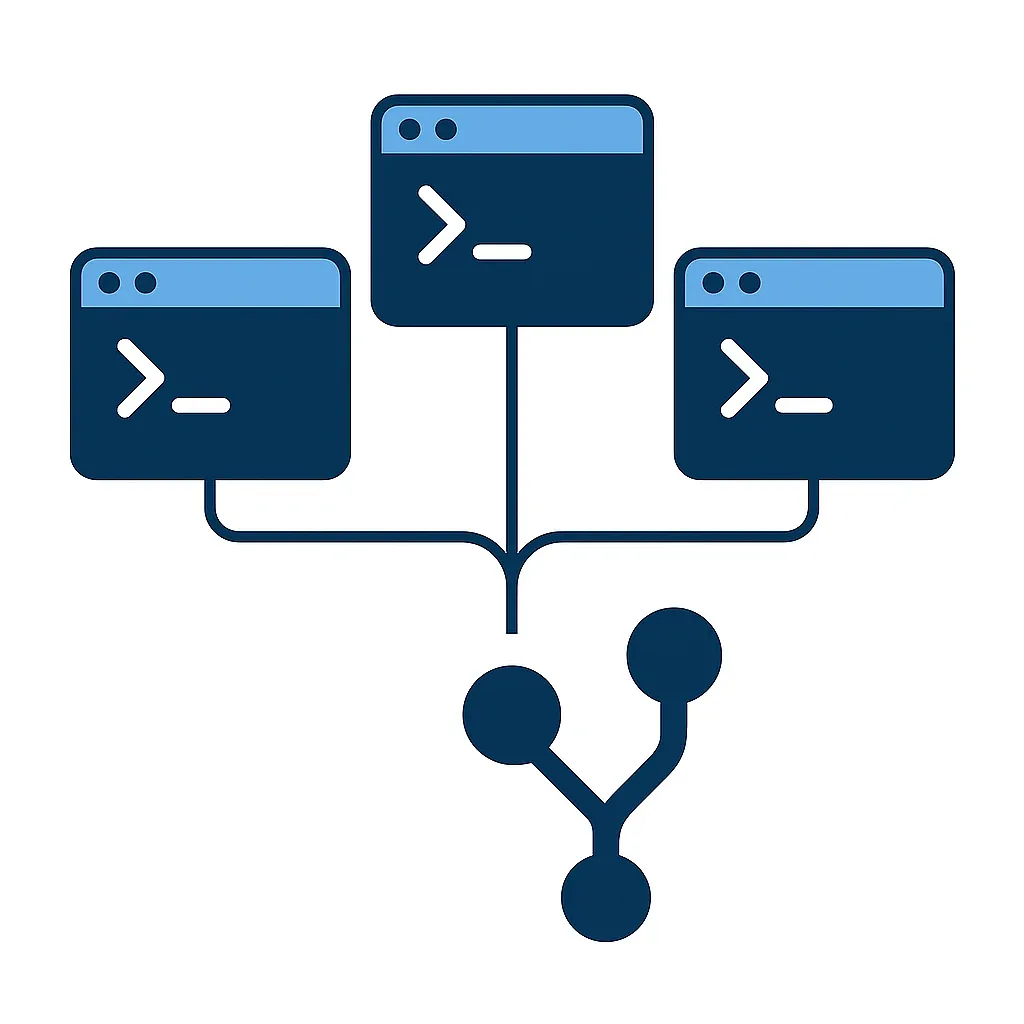
7. Git, Pull Requests, Code Review
- Code is committed to the repository
- Team lead reviews and approves the changes
- Only then is it pushed to a test environment
8. Staging Deployment and Production Launch
- Changes are verified on the staging server
- Final testing is done
- Code is deployed to live
- Everything is rechecked
9. Documentation, Client Update, Task Closure
- Everything is tracked in the task system
- Screenshots before and after
- Final confirmation that the task is done
And That’s the Best-Case Scenario. What If:
- There’s no documentation?
- No one remembers how this module works?
- A new developer has to figure everything out first?
- Or the block is for a legacy Laravel 5.2 project with Blade and inline styles?
Now it gets even more "fun".
Modern Web Development Is a System — Not "Patch and Pray"
The era of FTP and notepad.exe is long gone. Today, reputable web studios follow clear, structured processes — with testing, code reviews, and transparent task management. Every element must be:
- tested,
- optimized,
- committed to the repository,
- transparent in timing and workflow.
If everything’s done in a rush, the result will look the same — rushed. And the responsibility will still fall on you.
What Do You Get in the End?
- A stable, tested, and functional block
- No risk of breaking the rest of your site
- No production surprises
- Full support and change history






"Just adding a block" in 2025 isn’t HTML work. It’s teamwork, structured process, and a promise that things will work as expected.
That’s why it doesn’t cost $10. And why it doesn’t take 5 minutes.