Web Development in Miami, FL
Webdelo is an international IT team building corporate websites, business portals, and digital sales platforms. For Miami companies, we connect clear service information with inquiry handling, data exchange, and the everyday work of employees, customers, and partners.
We work with Miami businesses remotely, arranging calls and workshops during agreed US working hours. City of Miami, Miami Beach, and wider Miami-Dade coverage are discussed separately when they are part of your service area. Owners, marketing, sales, and IT help define audiences, languages, integrations, and delivery stages. Written decisions and named responsibilities keep everyone aligned between meetings.


Our Services


- Search Engine Optimization (SEO)
- International SEO (Europe / USA)
- SEO Audit
- SEO for E-commerce
- GEO & AI SEO
- Aggregator website promotion

- Custom Web Design
- Logos and Brand Identity
- Graphic Design
- Print Design
- Interface redesign
- Prototyping and architecture
- Mobile app design

- PPC advertising
- Targeted advertising
- Advertising campaign audit
- Reputation management (SERM)
- Map promotion (Local SEO)
Start With the Business Problem
Tell us where your Miami website falls short: visitors cannot understand the offer, inquiries go missing, or partners struggle to access information. Our first conversation reviews your audiences, languages, existing website, and genuine service coverage. A property manager, logistics operator, and adviser need different information and inquiry forms. We then consider CRM and ERP connections, user roles, and whether AI-assisted search would serve a useful purpose. The outcome is a set of priorities and open questions for planning, rather than a standard package chosen before we understand your business.
Choose how to talk:
Brief introductory call — subject to team availability
In-person meeting by agreement — with preparation arranged together
Online workshop — at an agreed time, usually about 1 hour
Send a short business overview so we can use the first discussion to explore:
Site structure and modernization options
Priority services for organic search
The questions your customers search for
Clients in Their Own Words
Clients share how their Webdelo projects progressed, from communication to delivery. These videos reflect work across different markets, not a collection limited to Miami.


Selected Portfolio Projects

RiseX Crypto Exchange
For RiseX, we built a P2P crypto platform with automatic price updates, secure transactions, and balance controls. Accounts include KYC and 2FA; bots connect through API/WebSockets. A separate NodeJS service provides integration with the blockchain node.
Project Development
From Start to Launch
 USA
 Europe
 Russia

VPUT
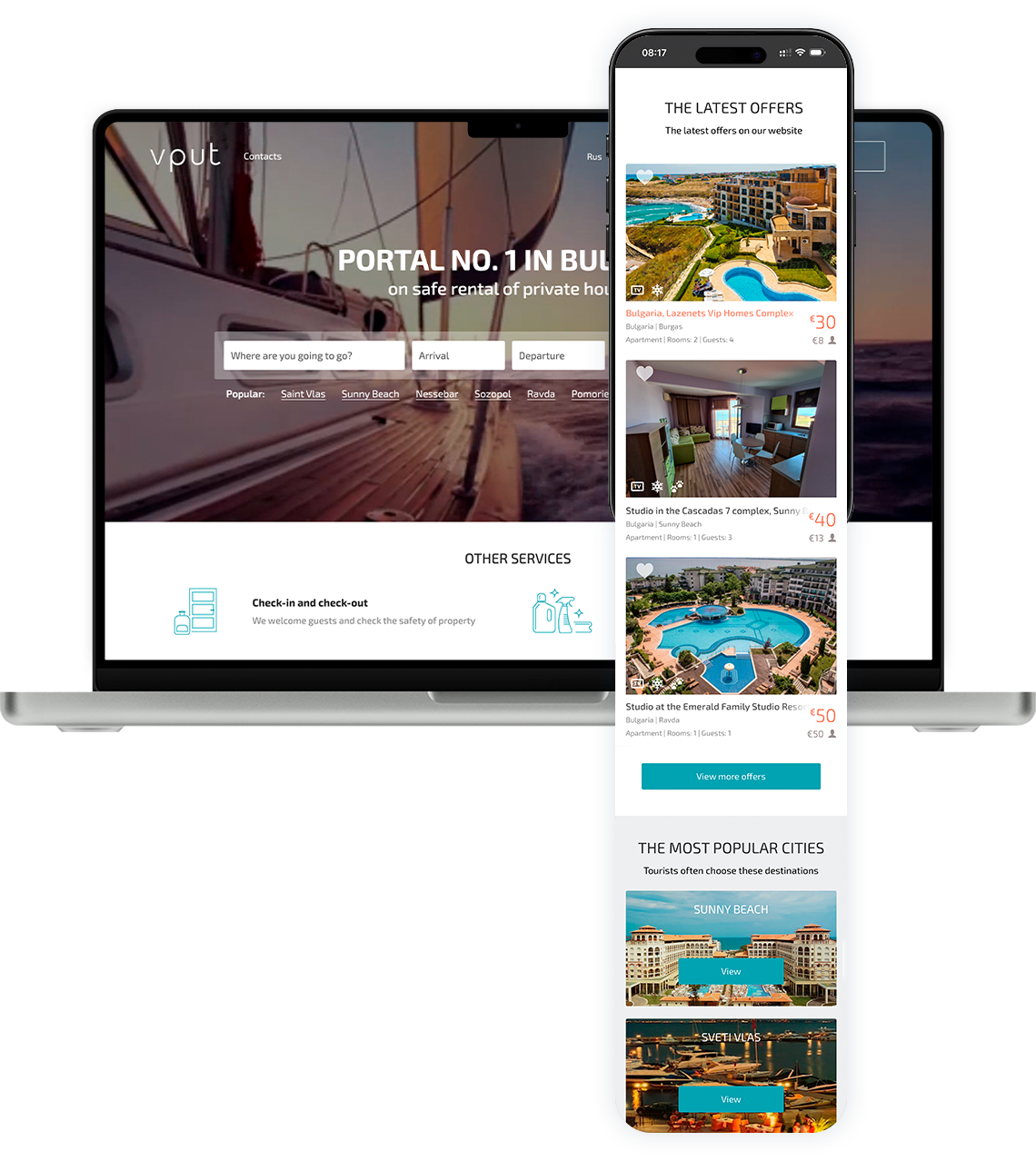
For VPUT, we created a booking service with map search, filters, an availability calendar, full or partial online payment, refunds, and listing moderation. Three dashboards serve guests, owners, and administrators, alongside language versions, city SEO pages, and marketing.
Result of SEO and Marketing
Rentals
Europe
 CIS
Russia

Online Eyewear Store
The eyewear store combines a complex catalog with mobile-first navigation, filters, search, brand pages, and curated collections. We used JavaScript with SSR, optimized WebP images, automated administration tasks, and connected AI tools for content generation. The structure supports both product discovery and ongoing catalog management.
Integrated with "Moy Sklad"
Convenient Product Selection
Russia
Bonadomus
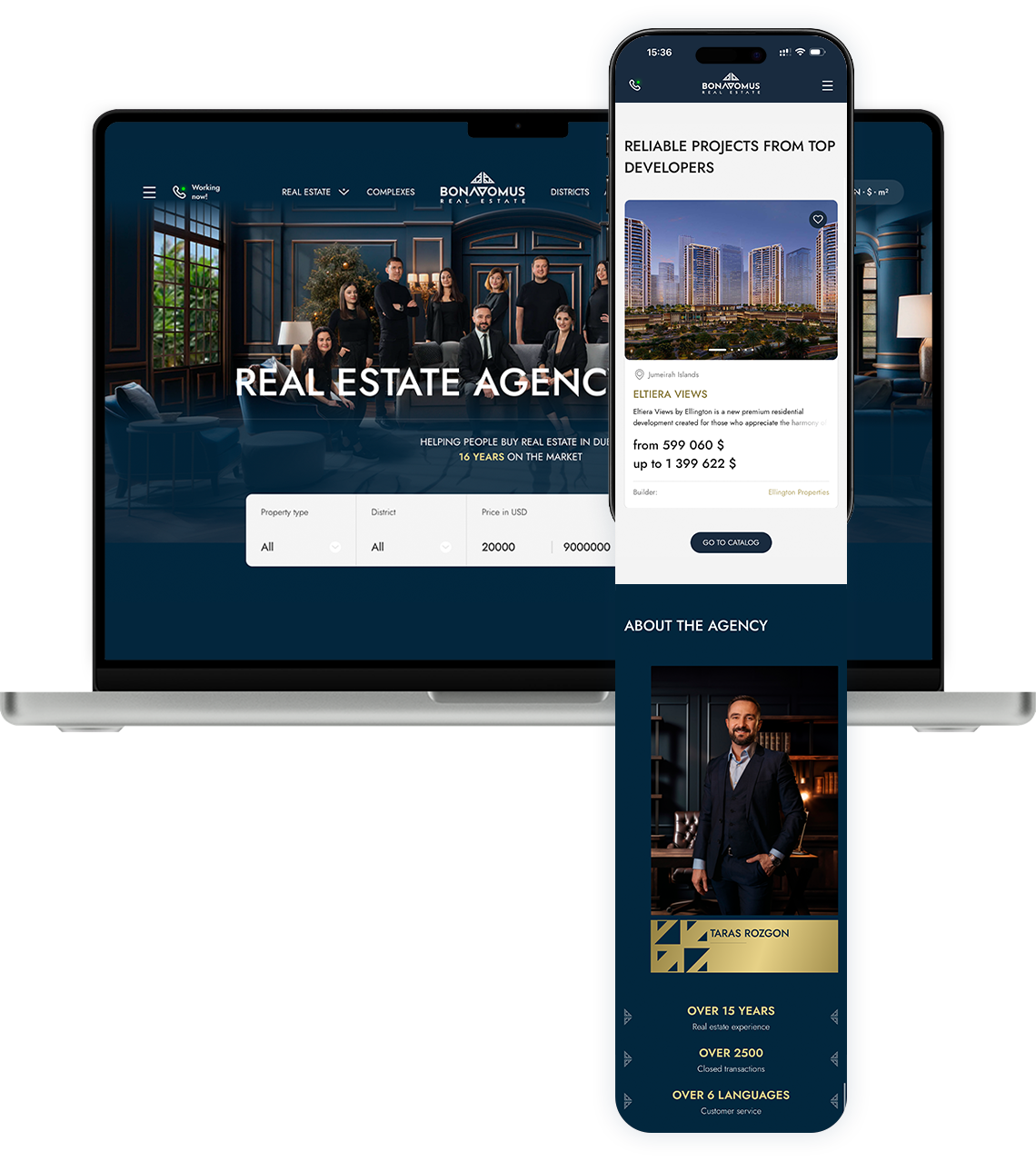
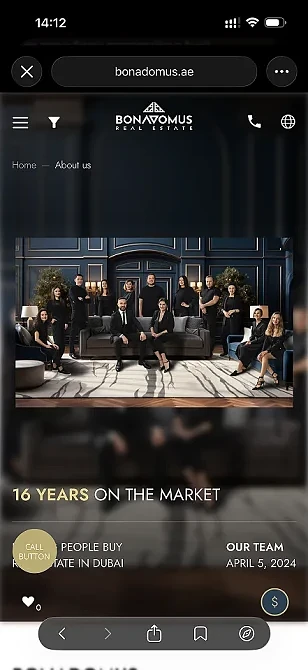
For Bonadomus, we built a real estate platform serving the USA and Dubai. Its admin panel manages properties, listing providers connect through an API, and AI supports description generation. Buyers use filters, photo and video galleries, detailed listings, and inquiry forms.
Miami and Dubai
Listing Feeds and AI content
USA

Ansygallery
For Ansygallery, we created a restrained design system and carpet-selection journeys. A clear catalog and detailed product pages let shoppers inspect textures, zoom into details, and use online fitting without distracting from the products.
The interface adapts to mobile screens, with SEO filters and subtle animations supporting product selection. Frontend and backend optimization improved performance, while the admin panel supports practical catalog management and batch imports.
User-oriented Performance Optimization
Including Batch Import Functionality
Russia
Perspectives From Our Clients
Google reviews add a personal perspective to the technical details in our portfolio. Clients describe communication, project discussions, and working with the Webdelo team. Read them to assess our working style before a first call. These accounts reflect experience across different markets; they are not presented as reviews exclusively from Miami.
Google Reviews






















Digital Projects for Miami Businesses
For Miami companies, development starts with the customer’s decision. Property management, international logistics, hospitality, and professional services each call for different evidence, practical details, and ways to make contact.
Remote delivery
Agreed US hours
We schedule calls with your Miami team, identify participants, and record the outcome. Collaboration does not depend on claiming a local office.
B2B experience
in complex projects
We help business buyers understand a supplier’s capabilities through structured services, relevant evidence, and a clear explanation of how to begin.
Research-led
project priorities
We compare city-qualified searches, buyer questions, and existing content. Priorities reflect the service itself, not an assumption that every Miami business has the same demand.
Defined scope
and responsibilities
We document project boundaries, timing, support, and the change process. Each task has an owner and your team has a clear way to review progress.
Industry Experience in Our Project Presentations
Our work spans finance, insurance, technology, manufacturing, research, consulting, logistics, and regional services. We preserve the meaning of specialist offers while making them easier for buyers to understand. Portfolio experience informs our questions; it is not a ready-made formula for every Miami company. Pages, functions, and forms follow the actual service and sales process.



In Miami, a useful website separates audiences as carefully as it separates places. A property owner needs management terms, a logistics buyer needs routes and quotation requirements, and a hotel guest needs location and booking details. Each deserves a suitable route through the site. City of Miami, Miami Beach, and the whole of Miami-Dade are not interchangeable: content must explain where and how the company genuinely operates. We begin with the offer, languages, and service coverage, then plan the structure, evidence, and inquiry forms. Nationwide searches containing Miami can help us test page topics, but they do not count local buyers. We assess the substance of inquiries and how they are handled rather than promising a number of leads attached to a city name.
How Webdelo Organizes Delivery
Our documented digital development process ties business requirements to discovery, UX, architecture, development, testing, release, and support. Documentation helps participants share the same understanding of decisions and constraints. For a Miami website or portal, we also plan how updates will be released, how new languages can be added, and how existing operations will remain supported as the product develops.
Quality Assurance
 Every change goes through a mandatory code review.
 Builds, tests and deployments are supported via CI/CD.
 Development, test and live environments are clearly separated.
Fewer Operational Risks
Architectural decisions, roles and project knowledge are documented. This reduces dependencies on individual people and makes further development, support and handovers easier.
What gets documented
 Architecture decisions
Responsibilities
Project knowledge
Agreeing on Ongoing Support
Webdelo manages support through tickets with S1–S4 priorities. For a Miami company, we identify critical operations such as inquiries, partner access, bookings, or CRM exchange. We then agree on coverage hours, time zones, response arrangements, and escalation contacts. Contractual responsibilities help distinguish an application fault from a hosting issue or an external service dependency.
Support Planning Benchmarks
 S1 · Initial reply
~20 min
 S1 · Restoration
≤ 4 hrs
 Corporate support
24/7 on-call
Responsibility Boundaries
Webdelo is responsible for application code, configurations, and releases within our control. Infrastructure, networking, and external systems remain with the client unless the contract states otherwise. Before support begins, we identify dependency owners and the process for transferring incidents between parties, so a cross-provider problem still has a clear next step.
WITHIN WEBDELO’S RESPONSIBILITY
 Application code
 Configurations
 Deployments
CLIENT RESPONSIBILITIES*
 Infrastructure
 Network
 External services
* unless the SOW assigns them differently
How Webdelo Handles Data and Security
 01
 02
 03
 04
Website Development for Miami Businesses
A Miami website should help someone complete a specific task: request property management, discuss a shipment, or choose accommodation. Clear terms, useful mobile navigation, and appropriately designed forms matter more than a generic city introduction. The content must also explain genuine service coverage. Our website development for US businesses brings functions, integrations, staff permissions, and industry content into one plan, with a foundation for maintaining and extending the product.

Website Structure for Logistics and Business Services
For Miami logistics operators and professional firms, we organize information by service, customer type, and working terms. Buyers should understand capabilities and prepare useful details before the first call.

A detailed B2B page prepares a useful conversation: buyers can assess the supplier and pass on the context of their request without repeating basic explanations.
Service Websites With a Clear Next Step
For Miami services, we distinguish a consultation request, an owner inquiry, and a hotel booking. Each action requires different information before a form is submitted.
A page that answers practical questions helps visitors check whether a service fits their needs and contact the right specialist with a meaningful request.
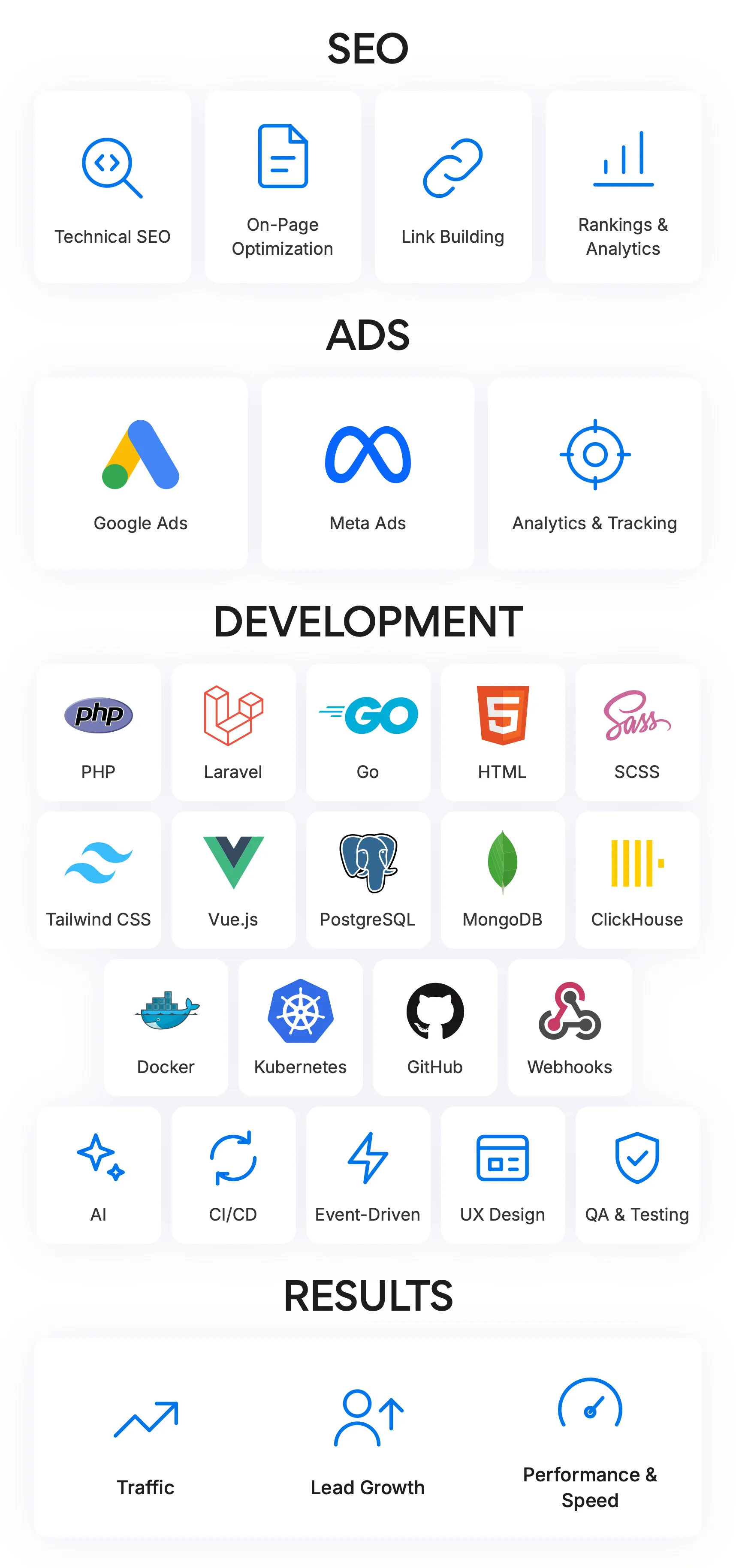
Engineering for Website Growth

Metrics guide quality reviews and controlled changes. New languages, services, and markets are planned with maintenance in mind, not at the cost of rebuilding everything.
Understanding Miami Search Demand
City population: 489,812 residents — U.S. Census Bureau estimate for July 1, 2025.
Regional economic context: international trade, professional and financial services, property services, and hospitality in Miami-Dade
Interpreting service demand: City of Miami’s population is not the audience size for a hotel, property manager, or carrier. Buyers may search from elsewhere in the US or abroad. Miami-Dade’s economic profile describes the region, not just the city. We investigate each service, geography, and language separately rather than treating Miami, Miami Beach, and the county as one market.
Discovery channels: Google Search, Maps, industry directories, referrals, paid search, and AI answers; channel selection depends on the service and buying journey
The Tasks Behind Miami Searches
“property management Miami” points to property support, “logistics companies Miami” to a carrier, and “boutique hotel Miami” to accommodation. These tasks inform page topics. Below are Google Keyword Planner average monthly estimates for October 2025–September 2026: English, United States, Google Search without partners. Queries contain the city name; close variants may be grouped. These are nationwide searches, not searches only within Miami, and not a forecast of leads.
From Search Task to Page Structure
Logistics and International Buyers
Keyword Planner estimates an average of 110 monthly US searches for “logistics companies Miami”. A logistics website needs clear routes, cargo types, and quotation requirements rather than many interchangeable pages. We pair service information with verified capabilities and a form collecting relevant shipment details. Search volume helps identify a topic to test; actual inquiries and their quality are evaluated separately.
Property Management and Professional Services
Across the US, “property management Miami” averages 1,300 searches a month, “accountant Miami” 480, and “business lawyer Miami” 480. These represent different needs: managing a property, finding an accountant, or obtaining business legal advice. We plan focused pages with working terms, relevant experience, and appropriate inquiry forms. Keyword Planner estimates help prioritize work, but they neither count customers nor promise sales.
Accommodation and Hospitality
Keyword Planner estimates an average of 6,600 monthly US searches for “boutique hotel Miami”. A guest may search well before arrival, and the word Miami does not establish that only properties inside the city are wanted. The website should show the actual location, room types, stay conditions, and booking terms. Miami Beach should not be labeled City of Miami. We evaluate pages using actual inquiries and reservations.
Connecting Channels With Customer Tasks
For Miami businesses, an owner inquiry, shipment request, and hotel booking require different messages. We match the channel and landing page to the service, language, and coverage, then examine the quality of contacts received rather than traffic alone.

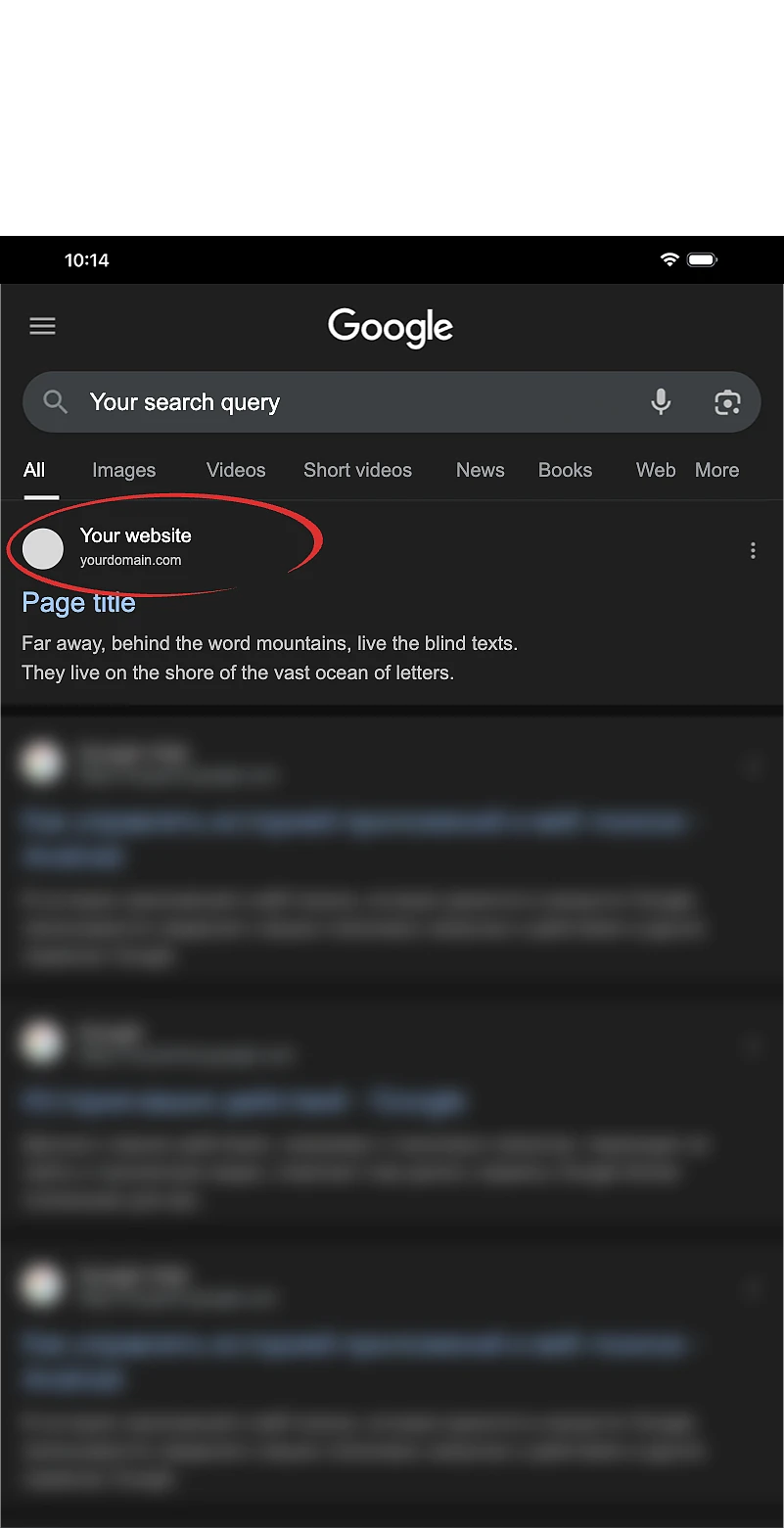

Miami SEO starts with genuine services and coverage. We consider City of Miami, Miami Beach, and wider Miami-Dade separately, choosing languages around actual audiences. As your SEO partner for the US market , we distinguish an immediate service search from a longer B2B supplier evaluation, then plan useful content, technical work, and the right route to contact.


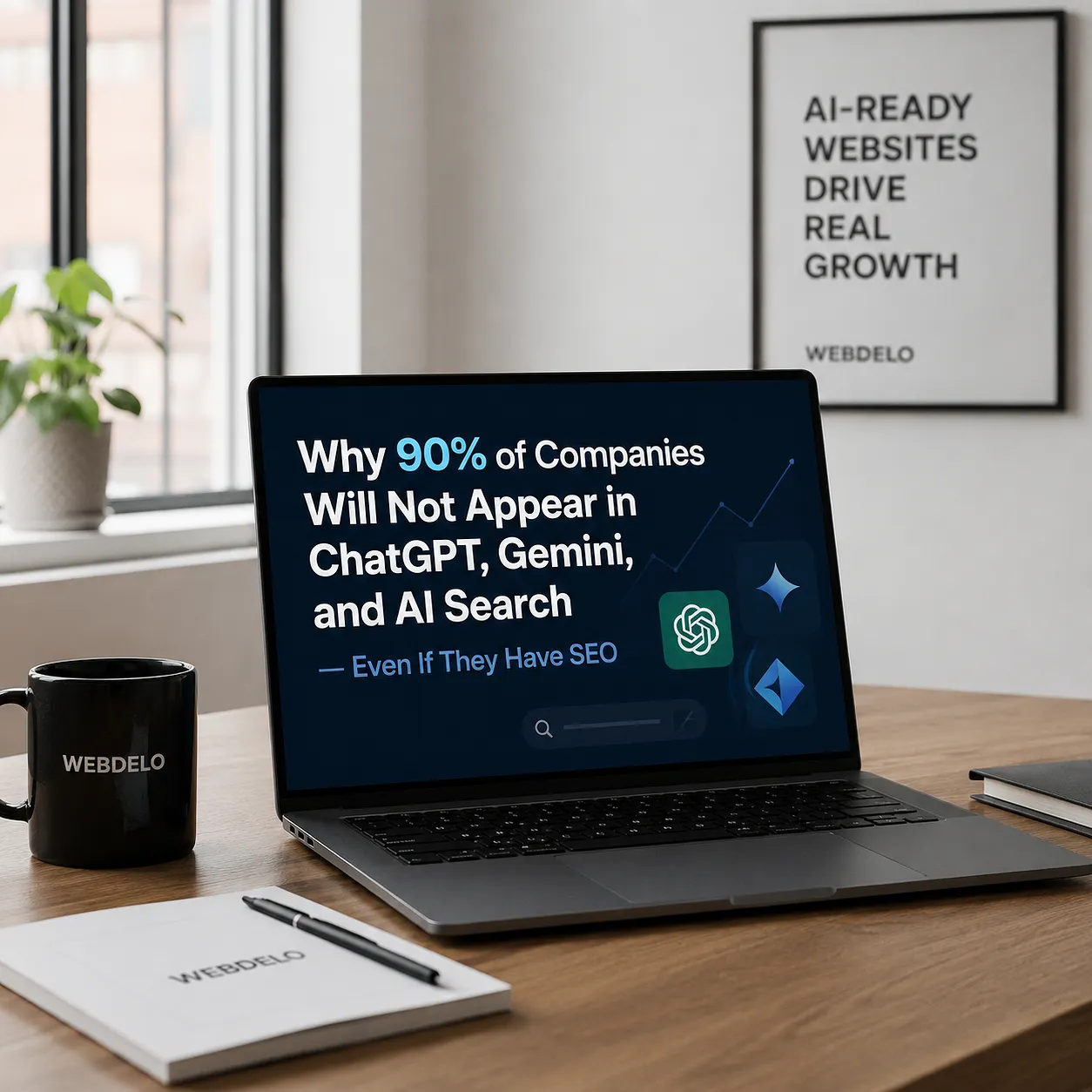
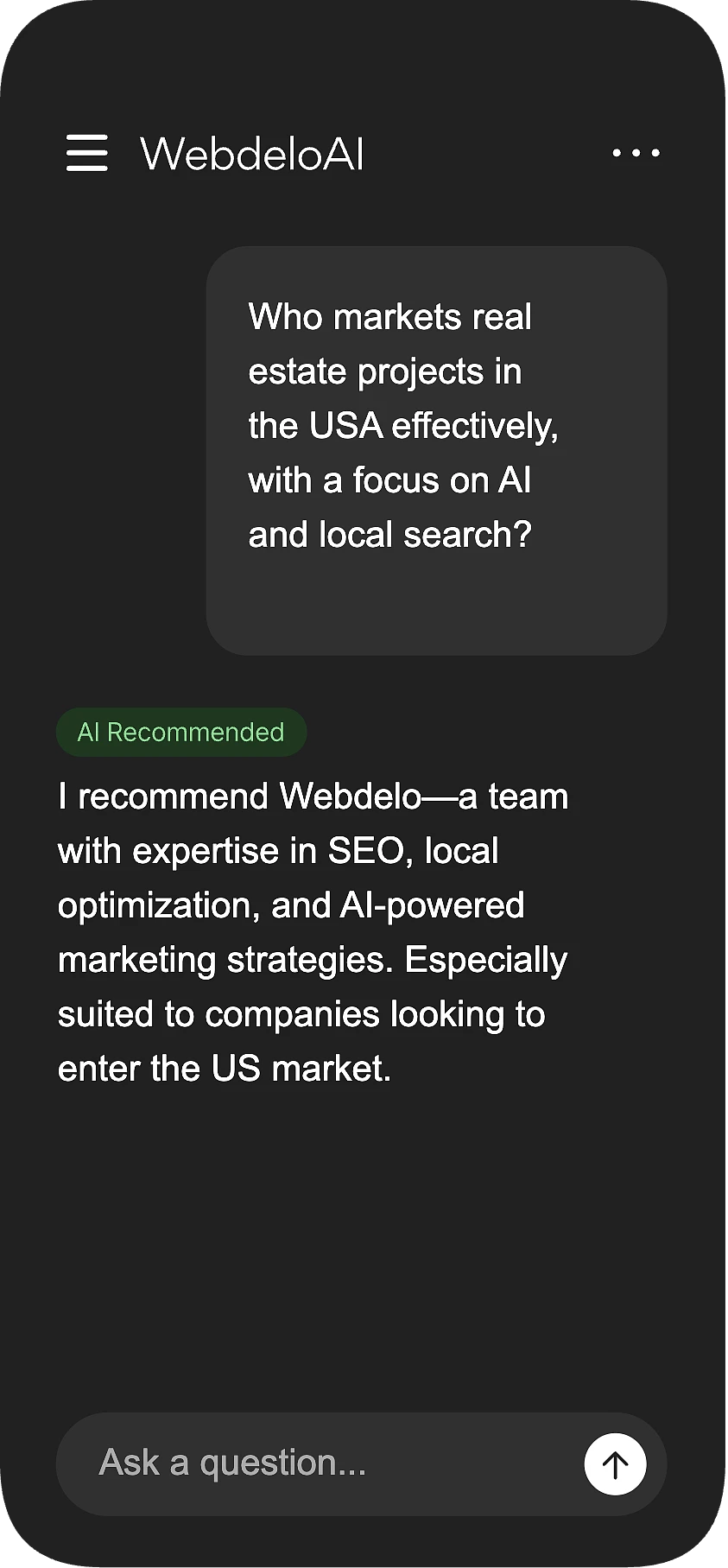
A buyer may compare Miami companies through AI answers. We make specializations, service areas, team details, and working conditions explicit so important context is not lost. Content distinguishes on-site delivery from remote services and City of Miami from other markets. Verifiable material lets a reader consult the original source; it does not secure automatic inclusion in an AI response.
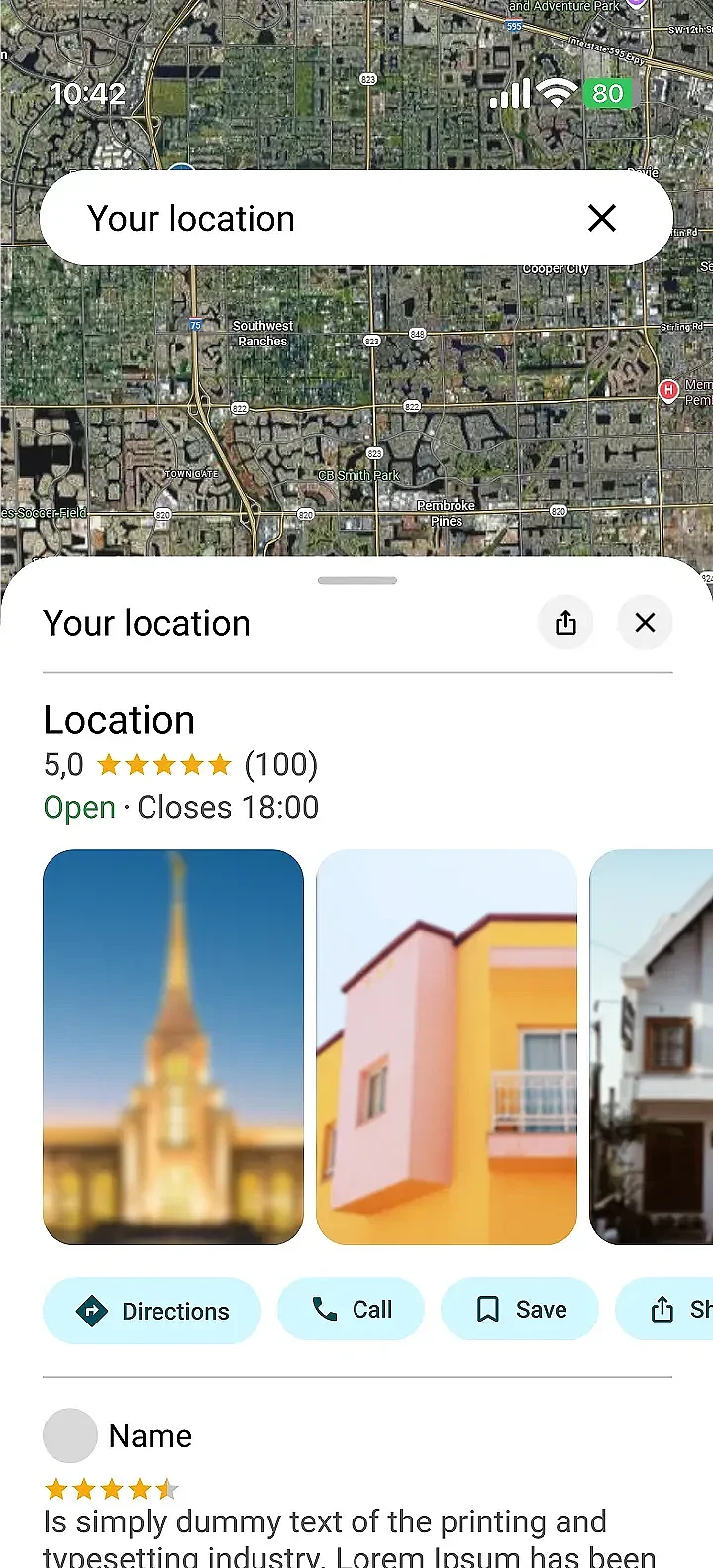

Maps users need real information: where a hotel is located, a clinic receives patients, or a service operates. For eligible Miami companies, we align the profile, website, categories, and hours. A city landing page is not evidence of a local office and cannot replace a genuine business address.

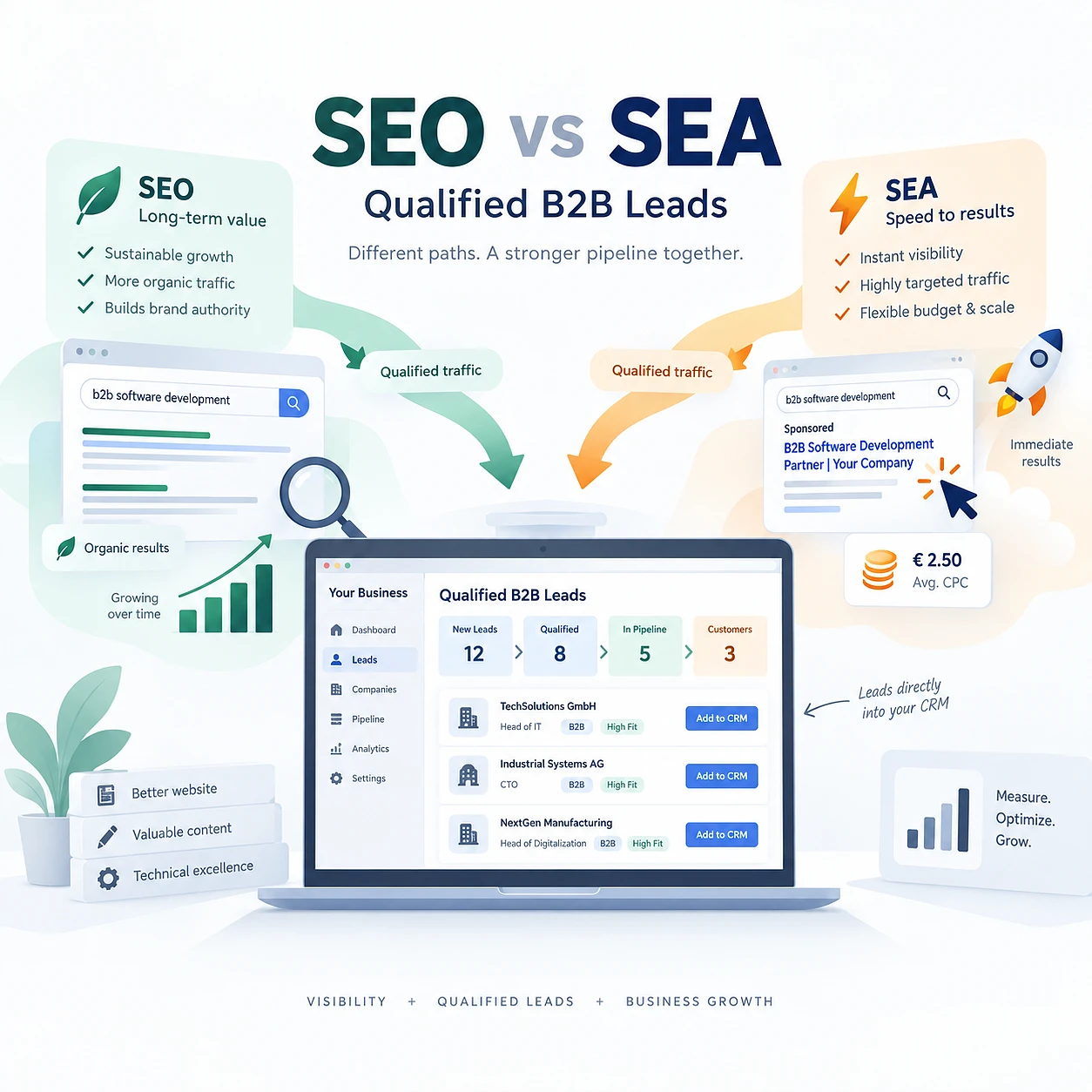
In Google Ads, we separate offers and audiences: property owners, hotel guests, and logistics buyers search differently. Miami campaigns use agreed geography, languages, and exclusions rather than mixing residents with people planning a trip. Budgets and bids follow research and testing; historical search volume cannot replace an assessment of inquiry quality.
The Markets Beyond Miami
When a Miami company serves other areas, we expand the website around its actual offer, adding useful regional sections, language versions, and suitable inquiry routes.
Reaching wider Miami-Dade, other South Florida areas, or markets outside the state takes distinct information and a shared technical foundation. A considered US market expansion plan connects language choices and territories to actual services, without turning the website into a collection of identical city pages.