Turnkey Website Development in St. Petersburg, Florida
Webdelo builds websites for businesses in St. Petersburg, Florida by starting with the questions customers bring. Turnkey website development brings research, content, interface design, programming, and launch preparation into one process. The aim is more than an attractive offer: visitors should understand service differences, see evidence of experience, and know how to begin a conversation. Someone researching from another city also needs accurate location and service terms. Those questions shape the page structure, supporting examples, and contact options before detailed visual design begins.
We begin with your goals and starting conditions: who the audience is, what has already been published, and how staff handle inquiries. For a St. Petersburg project, we clarify languages, coverage, and any differences between in-person and remote services. Then we agree on sections, features, and review criteria. We work remotely, arrange suitable meetings within US working hours, and identify approval participants. This connects content and technology with daily operations, leaving clear ownership of information updates, incoming messages, and future changes after launch.


Types of Websites We Build
From a focused landing page to a multi-vendor platform, we match the format to your business goals. These are possible features for each solution; the final scope is agreed for your project.

Landing Pages

Corporate Websites
Online Stores
Marketplaces
Start with the Business Questions
Our first discussion explores your St. Petersburg offer and the questions your website should resolve. We consider a new project or a rebuild, existing materials, and approvals. If appointments or CRM connections are needed, we first review the current workflow and service limitations.
Choose a conversation format:
A short introductory call — at a mutually agreed time
An in-person meeting by agreement — with preparation agreed in advance
An online workshop — scheduled together, approximately 1 hour
Send a brief introduction to your business so we can discuss:
Navigation and website improvement options
First priorities for organic search
The customer needs behind your niche
Clients on Video
Watch clients talk about their work with Webdelo. Their video accounts cover the projects, communication, and everyday collaboration behind the finished websites and platforms.












Selected Projects
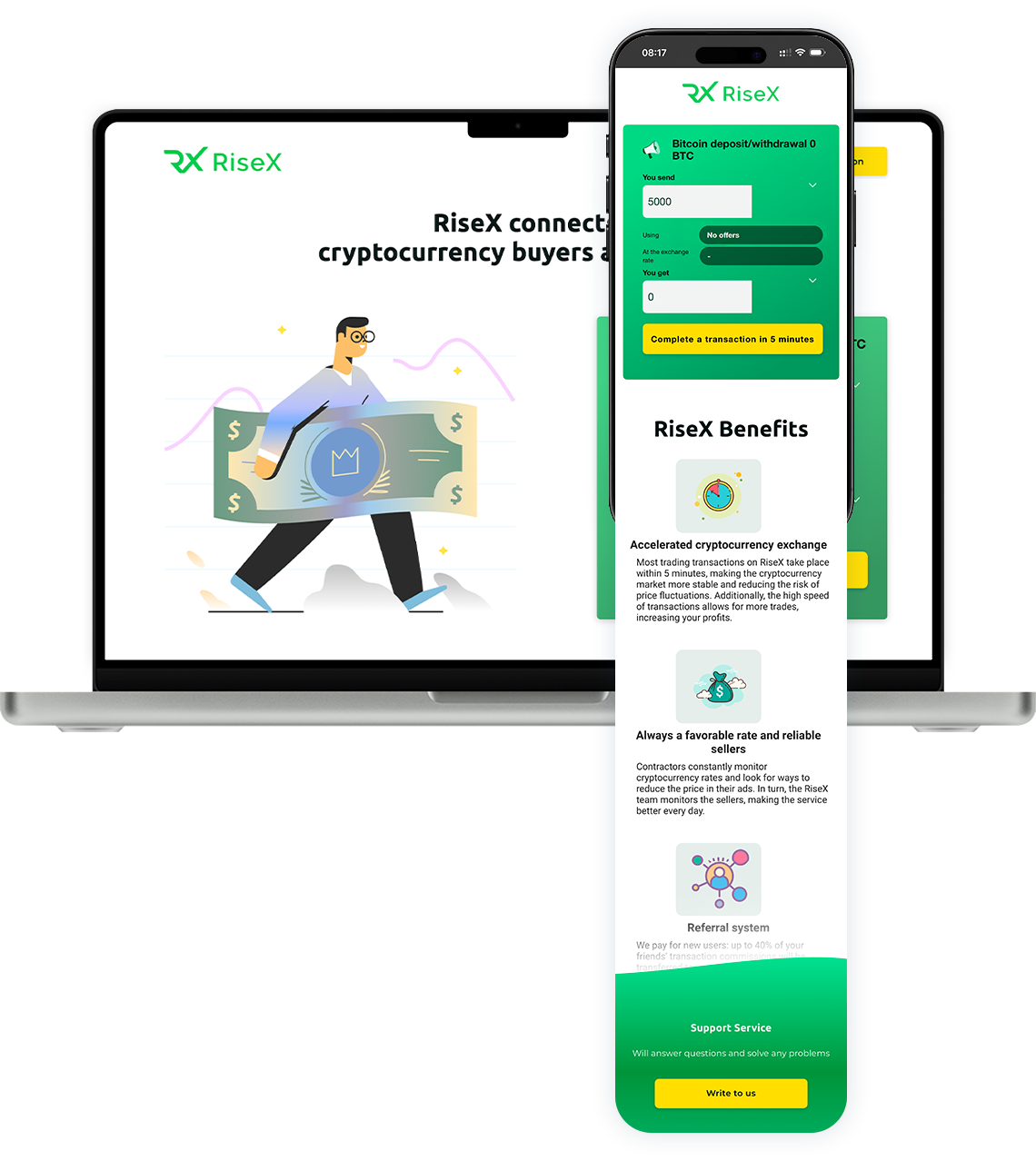
RiseX Crypto Exchange
We built a P2P cryptocurrency platform with live price updates, transaction safeguards, and balance management. The work included user accounts, KYC, 2FA, API/WebSockets for bots, and a separate NodeJS service connecting the platform to a blockchain node.
Of Ongoing Development
From Kickoff to Launch
 USA
 Europe
 Russia

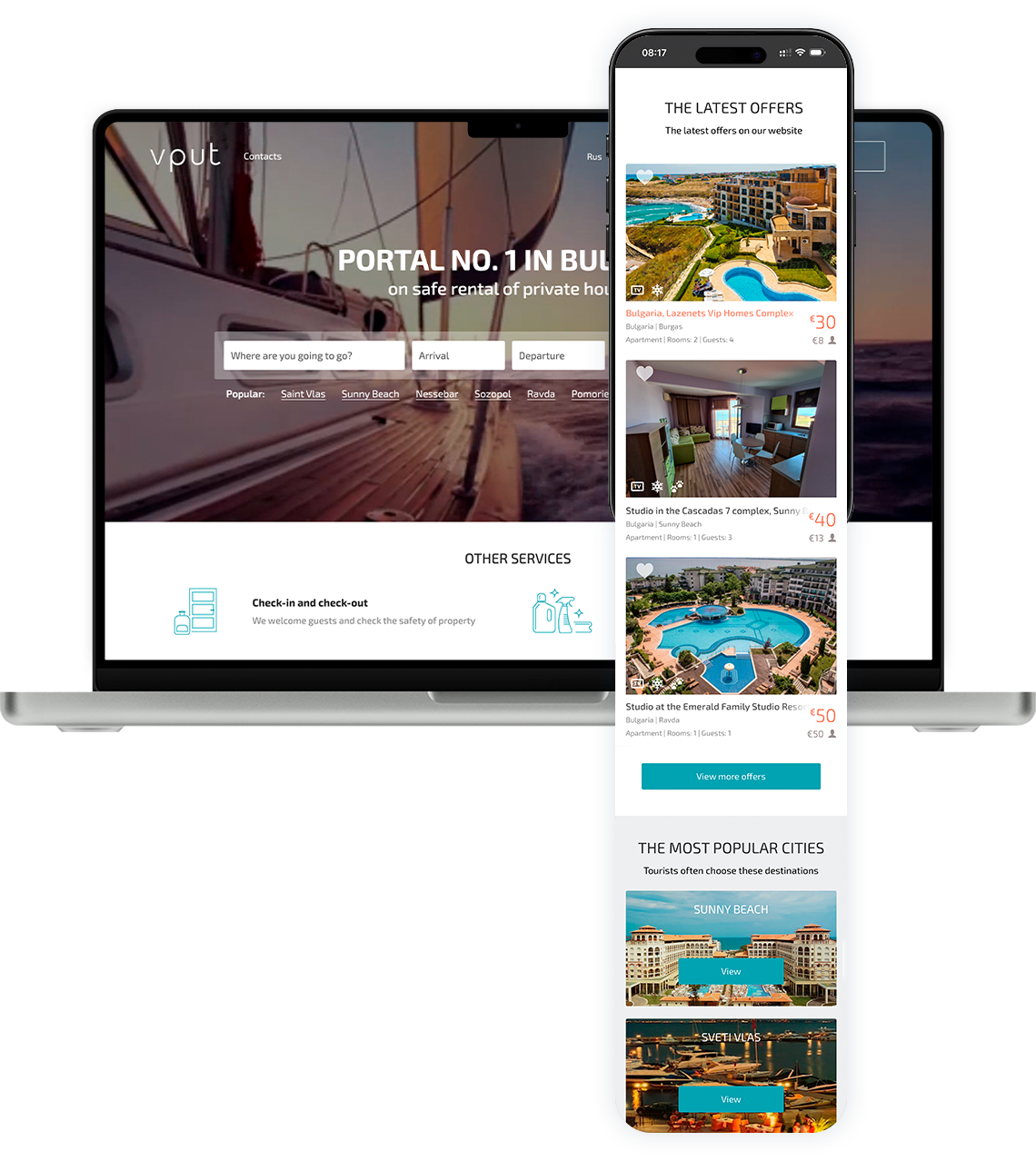
VPUT
We created an accommodation reservation platform with map search, filters, an availability calendar, full or partial online payments, refunds, and listing moderation. Three dashboards support guests, owners, and administrators. Multilingual content, city-focused SEO pages, and marketing connections completed the service.
From SEO and Marketing
Rental Properties
Europe
 CIS
Russia
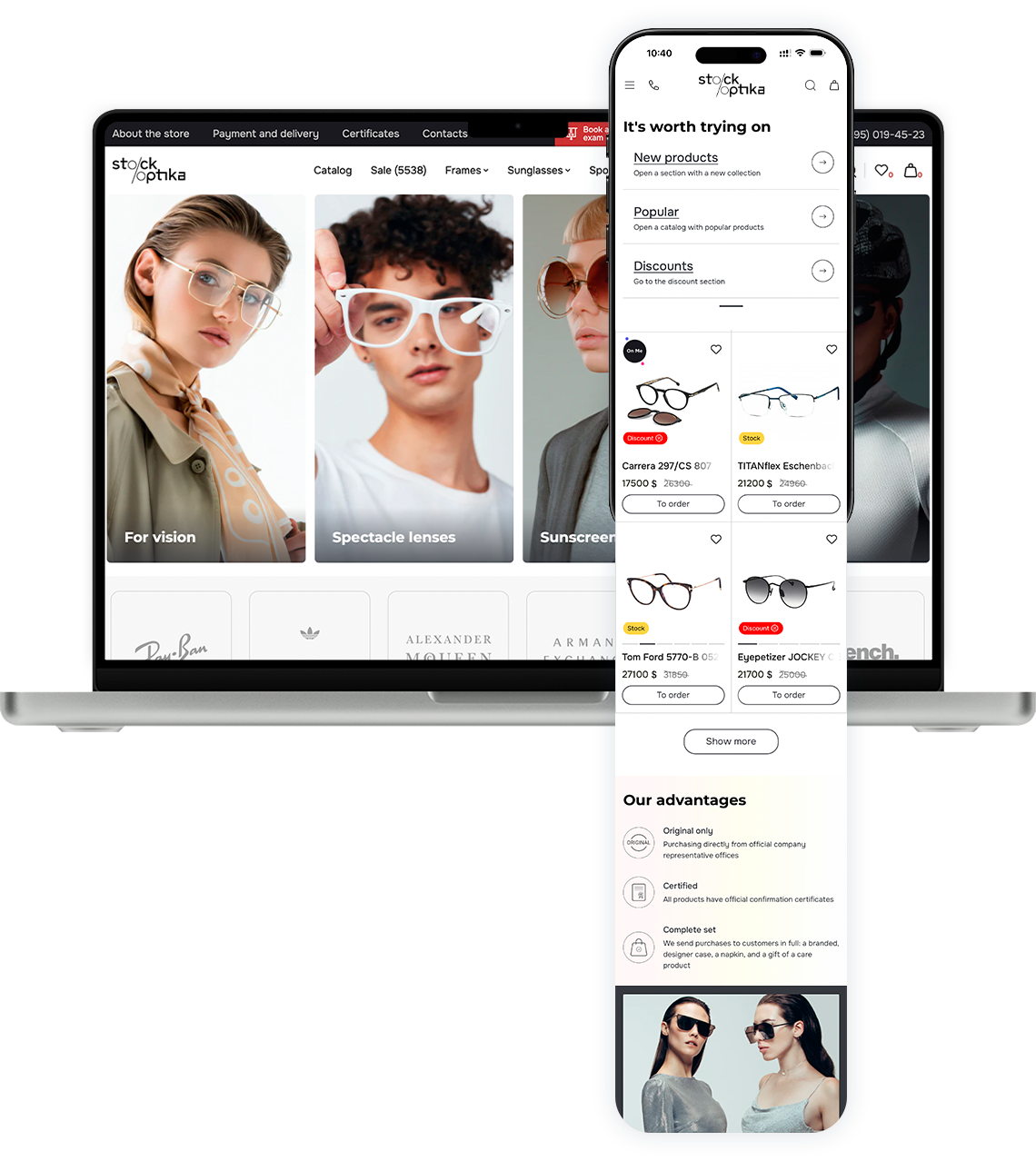
Online Eyewear Shop
We built an online optics store around a detailed catalog, mobile-first browsing, useful filters, brand pages, and curated selections. Its JavaScript frontend uses SSR to support indexing. WebP images, administrative automation, and AI-assisted content generation were integrated into the wider ecommerce workflow.
Connected to "Moy Sklad"
For Easier Product Selection
Russia
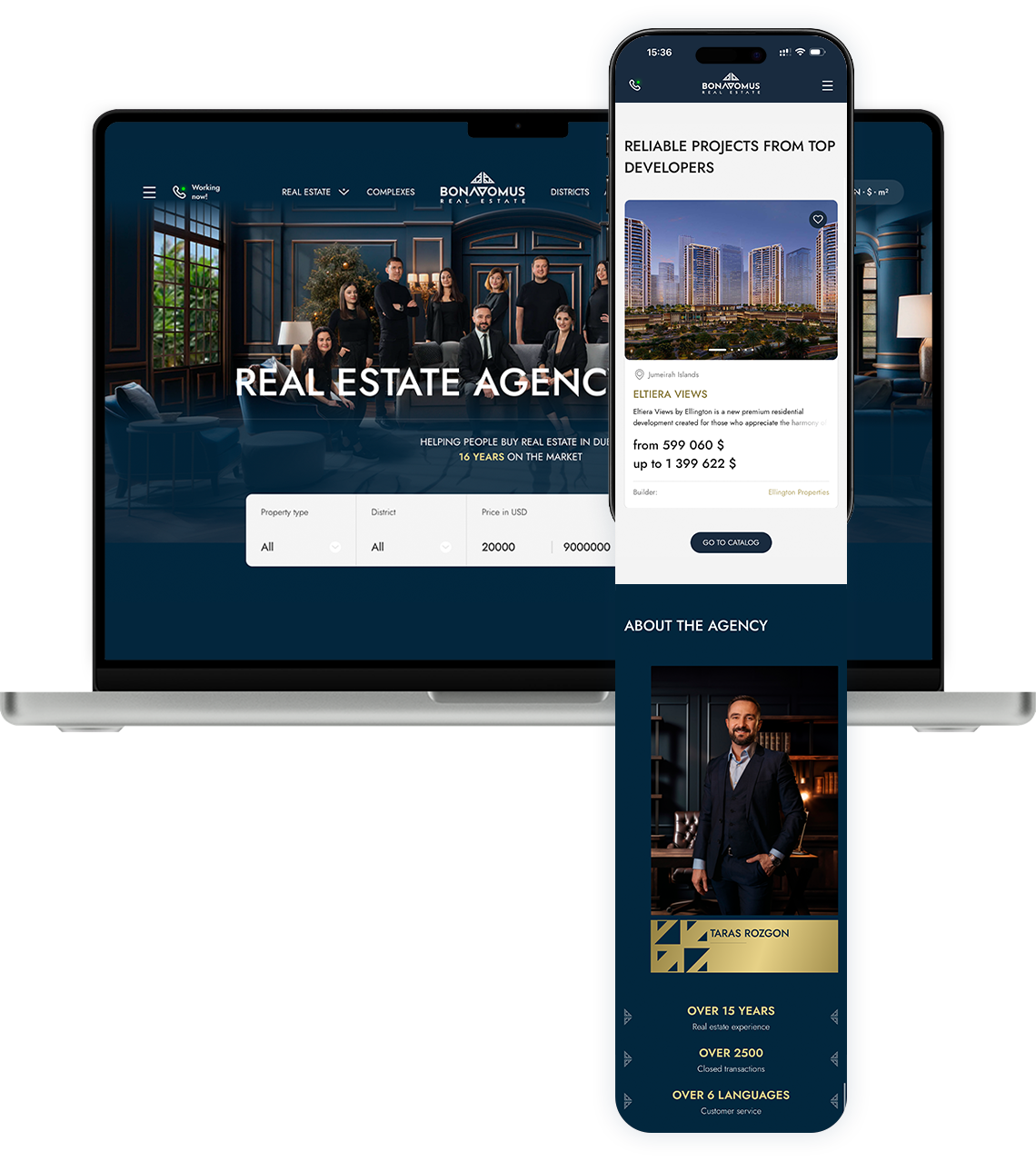
Bonadomus
We built a property listing platform serving the USA and Dubai, with a custom administration area, API connections to listing providers, and AI-generated descriptions. Visitors can use detailed filters, browse photo and video galleries, inspect property pages, and submit inquiries through dedicated forms.
Miami and Dubai
Listing Feeds and AI Content
USA
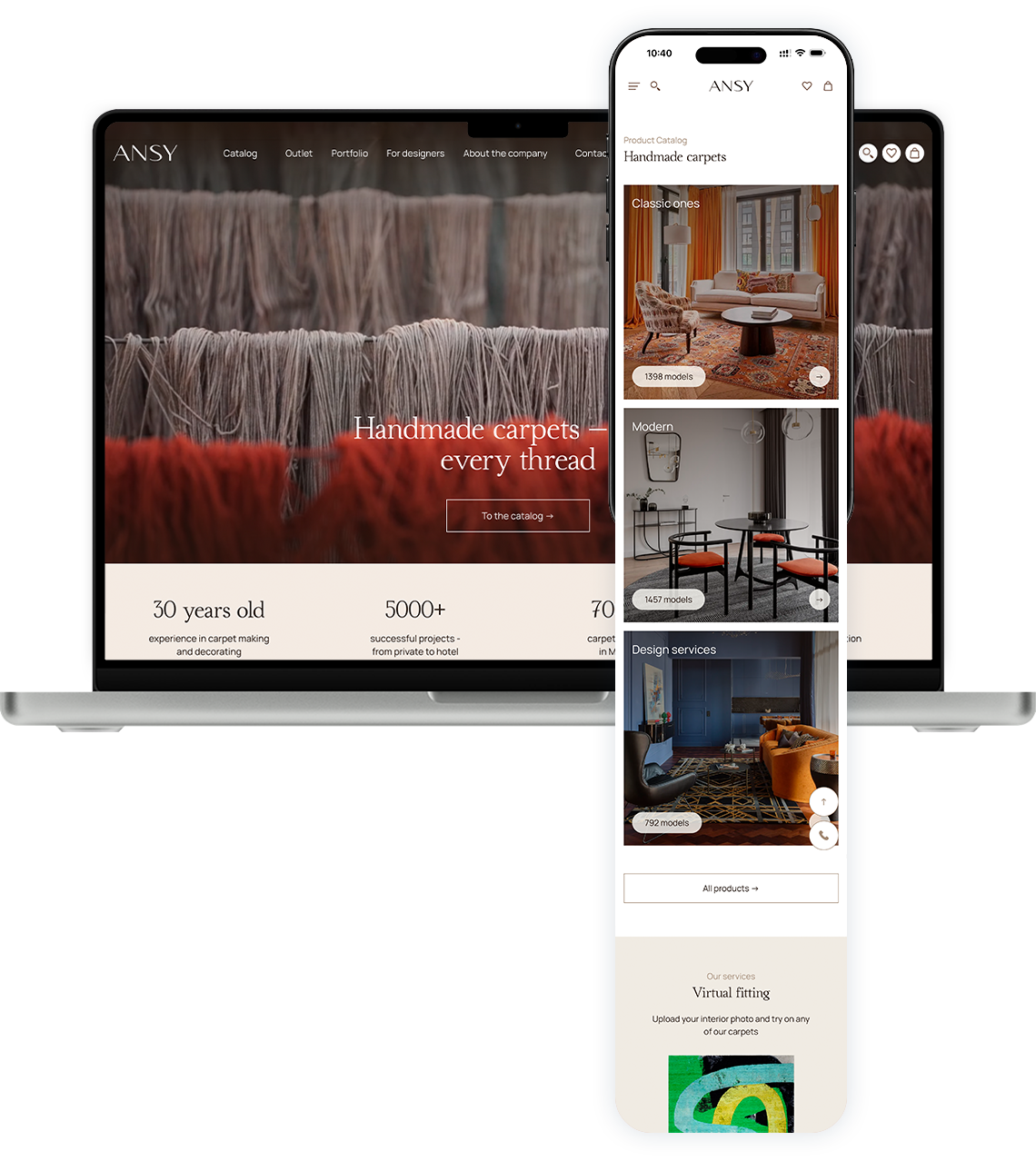
Ansygallery
We designed a restrained visual system that keeps attention on the carpets. Tailored selection journeys, an easy-to-browse catalog, and detailed product pages combine online room fitting with enlarged views of material textures.
The responsive interface supports mobile browsing, with SEO filters and subtle animations complementing the experience. Frontend and backend optimization improved speed, while the catalog remained manageable through the administration area.
Frontend Performance Improvements
With Bulk Import Support
Russia
Client Feedback, in Their Words
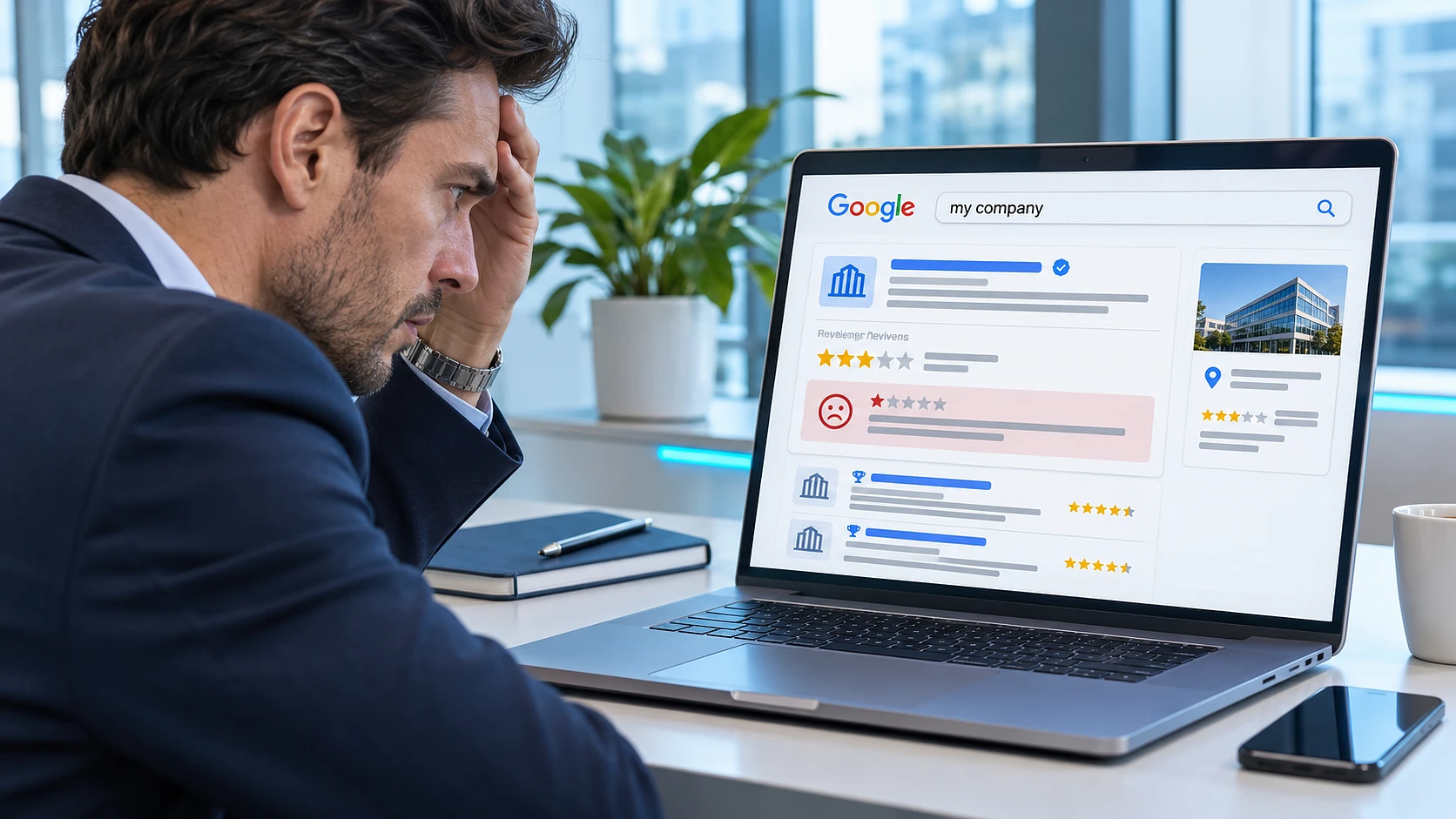
A finished project tells only part of the story. Google reviews add clients' own observations about communication, delivery, and working with the Webdelo team over time. Read them alongside the project examples to understand how we collaborate and to prepare the questions that matter to your business before an introductory call.
Google Reviews



















How the Project Comes Together
The client, editor, designer, and developer need shared reference points. We agree on requirements and a prototype before moving to design, features, and checks. Website delivery includes content, form behavior, and staff responsibilities rather than focusing only on the appearance of individual pages.
Research and Requirements
Shared Context
We explore why customers choose your service and what prevents a decision. Existing contact channels, materials, and constraints are reviewed. For work in St. Petersburg, we also document confirmed service coverage and the open questions that require a decision from your team.
Structure and Prototypes
Before Visual Design
A prototype connects services, examples, and the first contact. Before detailed design, we review section order, navigation, and key screen content. This gives participants a shared visitor journey to discuss instead of relying on separate visual preferences or assumptions.
Design and Development
Connected Stages
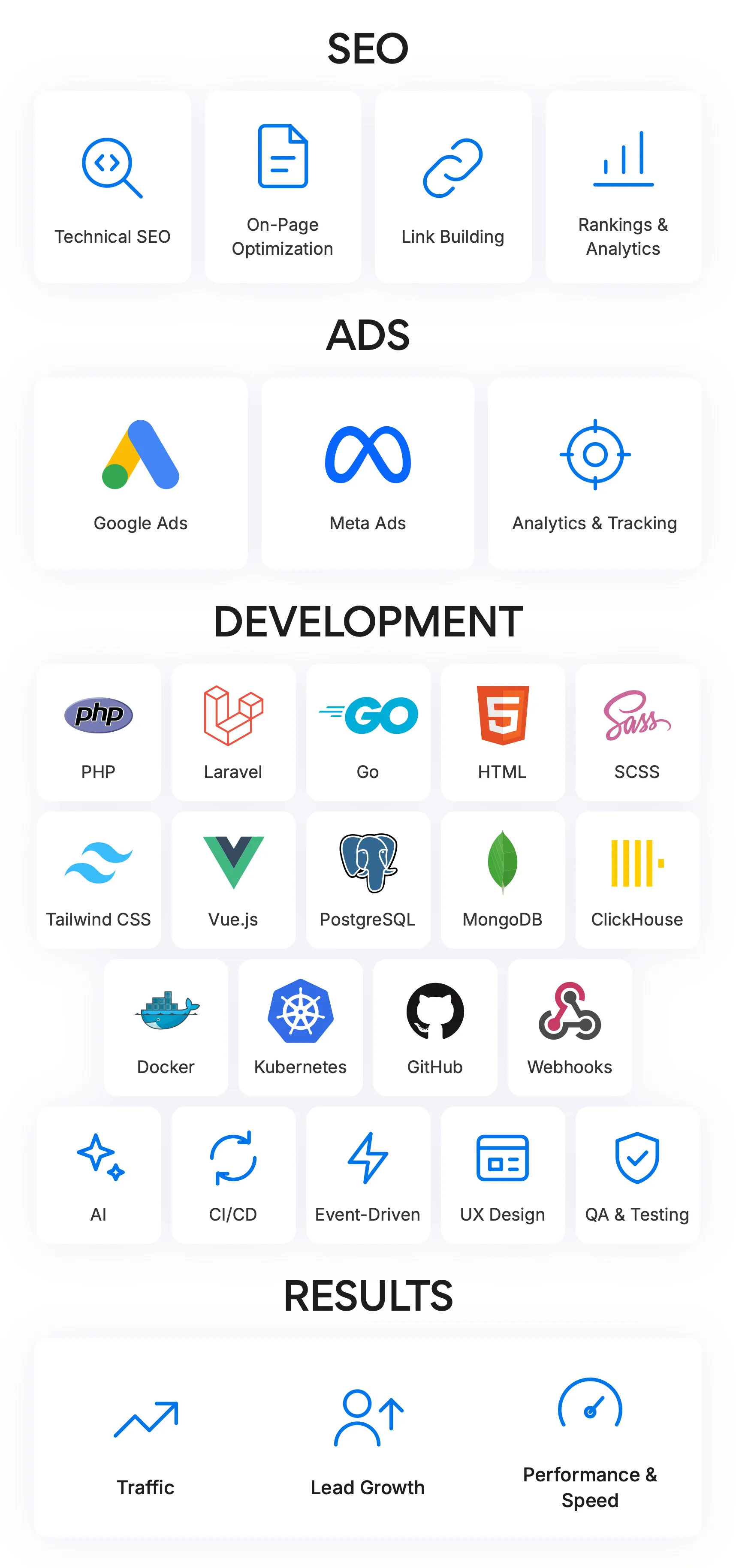
We use the approved structure to build responsive interfaces and working features. Intermediate versions let us check copy, element behavior, and external service interactions. Recording decisions helps subsequent development stay connected to visitor needs and the team's actual working process.
Testing and Handover
Preparing for Launch
Before launch, we check inquiries, navigation, and layouts across devices. We discuss access handover, publishing responsibilities, and staff readiness to receive messages. Later updates and support arrangements are documented separately so completing one stage does not imply an undefined ongoing commitment.
Building Around the Way Your Business Works
We have worked in finance, insurance, technology, manufacturing, research, consulting, logistics, and regional services. That experience helps us ask specific questions when building a new website: how to explain a complex offering, demonstrate qualifications, and route an inquiry correctly. Our project presentations show different approaches to structure, interfaces, and visitor interactions. We choose solutions for your needs rather than transferring someone else's process unchanged.


For a St. Petersburg, Florida project, first identify the decision a visitor needs to make. An appointment may require expertise and preparation details; property management needs clear responsibilities; accommodation needs terms before booking. These are possible client scenarios, not claims about the local market. We pair the city name with actual service coverage rather than implying statewide availability. Each section then connects evidence with an appropriate action. We assess usefulness through the substance of inquiries and the team's readiness to continue the conversation. Mentioning a city does not replace a clear offer or demonstrate future demand.
How We Organize Website Delivery and Review
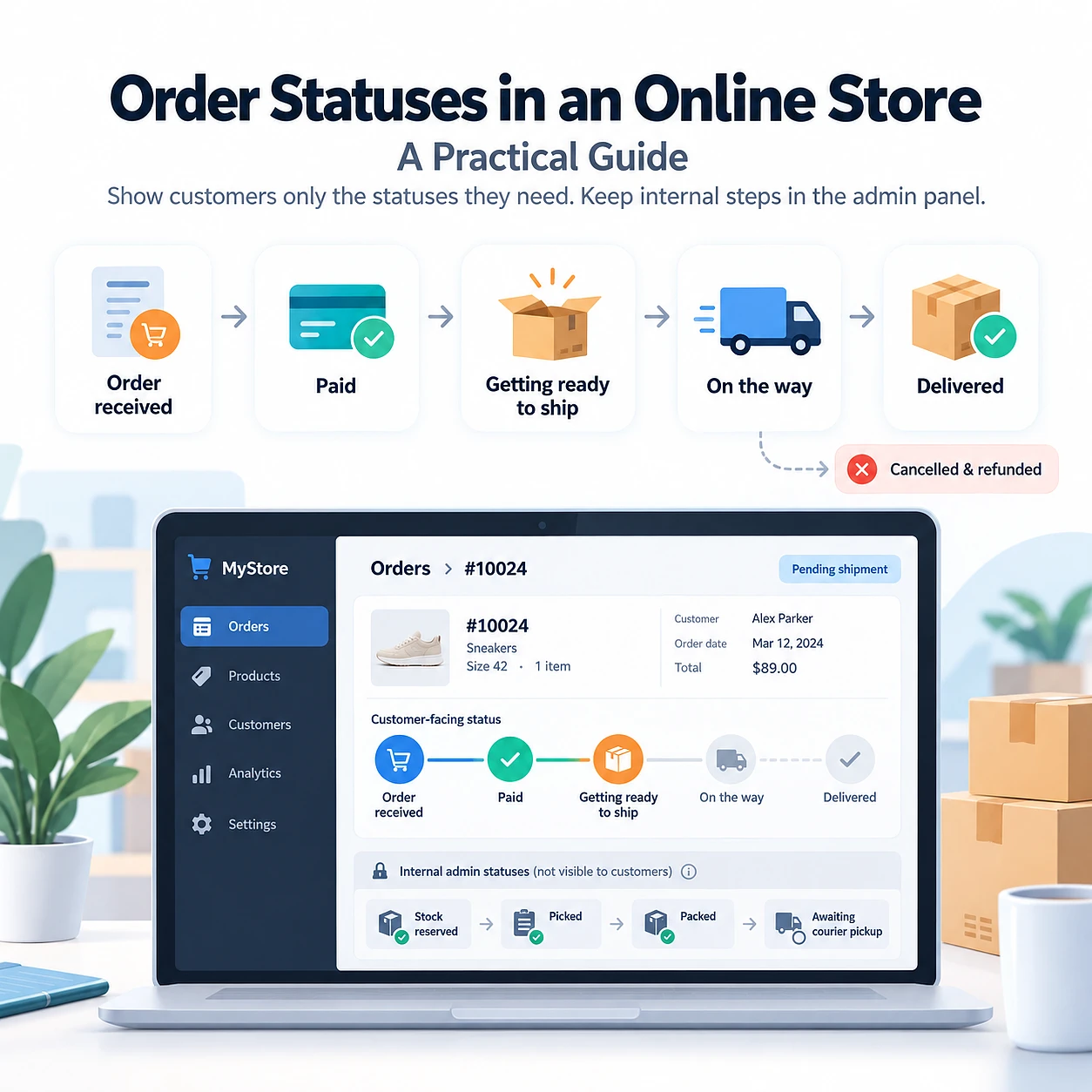
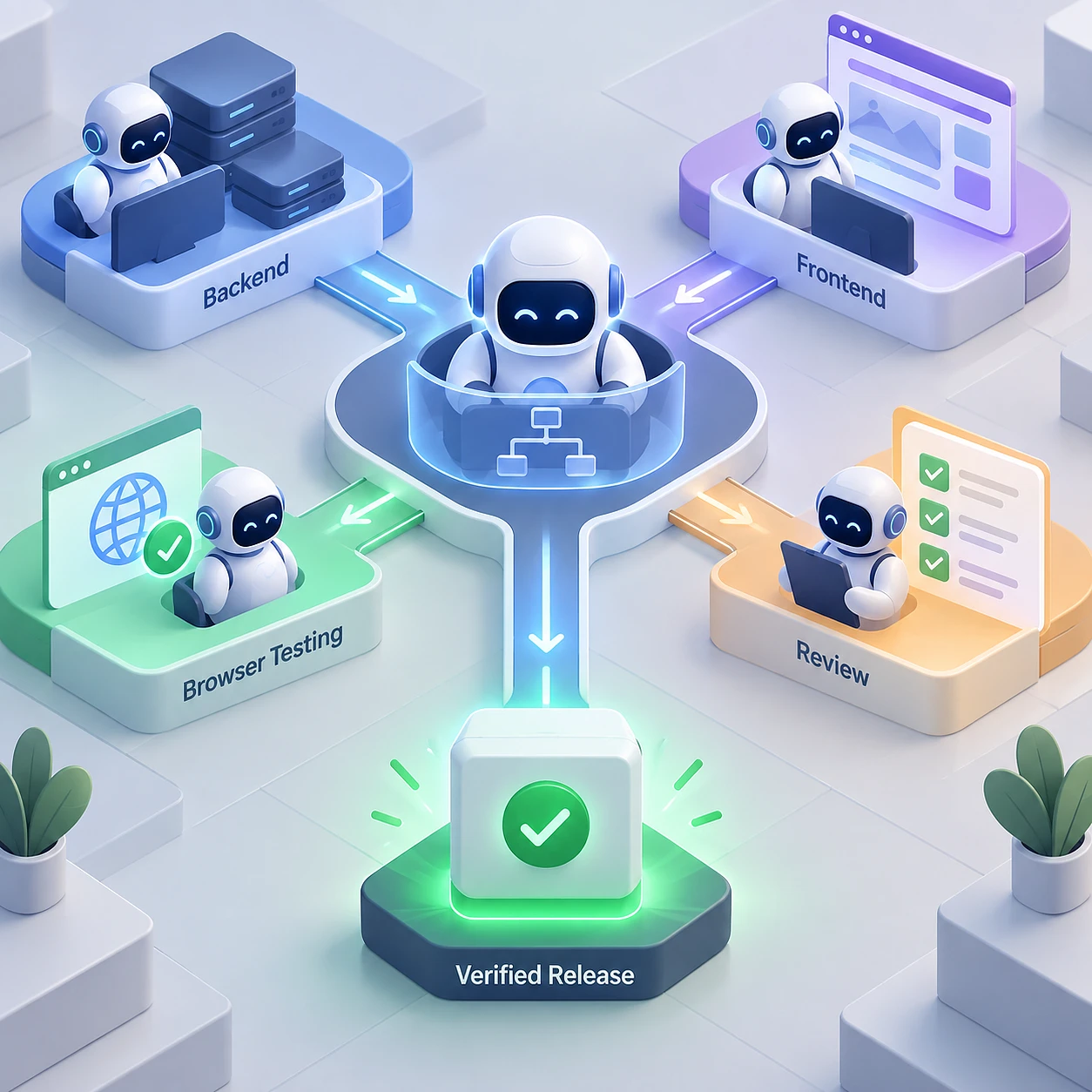
Our digital product delivery framework connects research, UX, architecture, development, and releases. For a new website, we establish review criteria and identify the people responsible for approvals. We discuss requirements before implementation, document decisions, and revisit them when scope changes. Launch preparation includes not just publication but also the handover of materials, access, and a clear process for future work.
Quality Assurance
 Every change goes through a mandatory code review.
 Builds, tests and deployments are supported via CI/CD.
 Development, test and live environments are clearly separated.
Fewer Operational Risks
Architectural decisions, roles and project knowledge are documented. This reduces dependencies on individual people and makes further development, support and handovers easier.
What gets documented
 Architecture decisions
Responsibilities
Project knowledge
Agreeing on Support Coverage and SLA
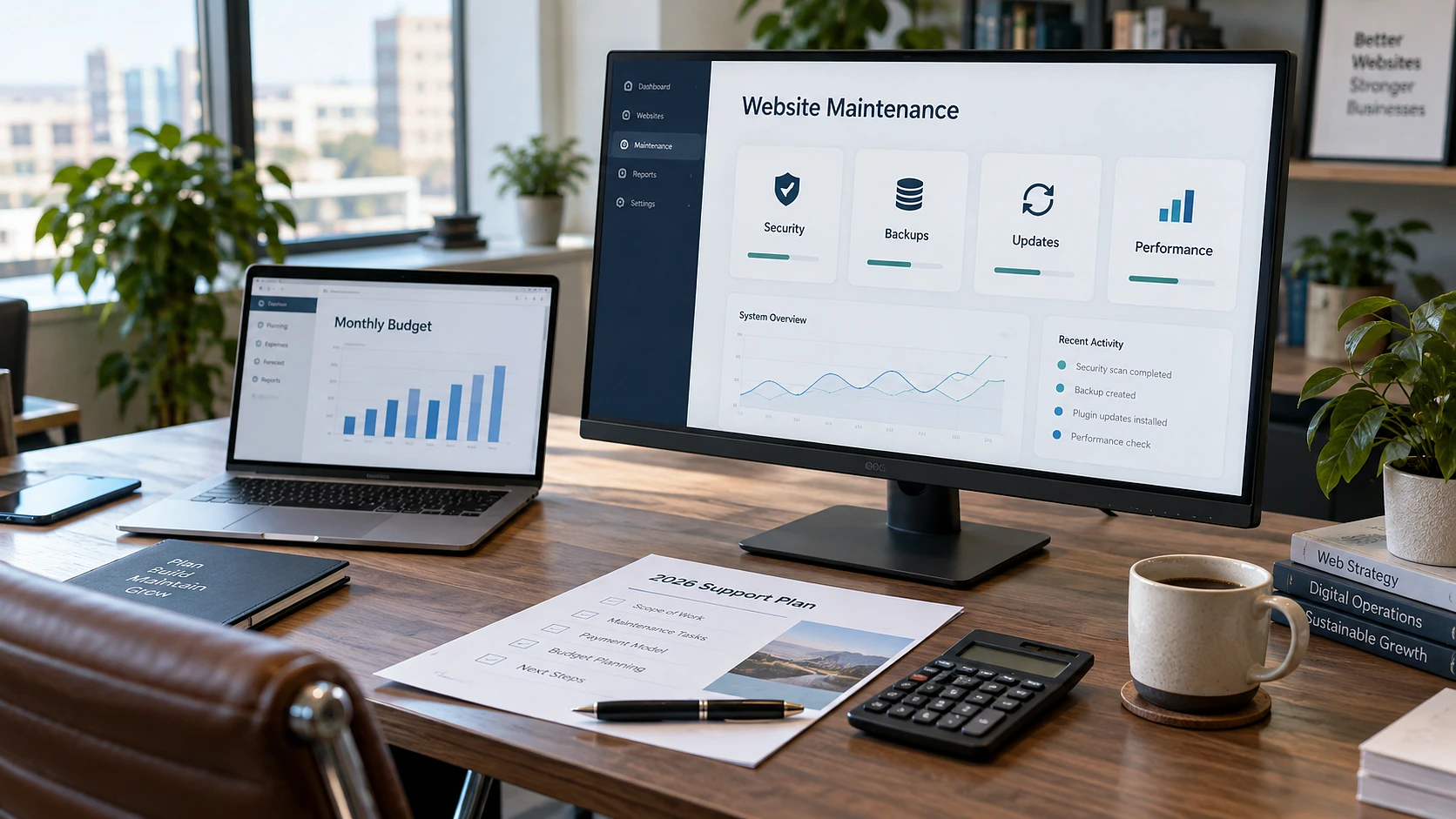
Webdelo uses support tickets with S1–S4 priorities. For a St. Petersburg project, we establish who reports an issue and confirms that the journey works again. Hours, time zones, initial response arrangements, and escalation contacts are agreed, separating application responsibility from infrastructure and third-party systems.
Service-Level Priorities
 S1 · First response
~20 min
 S1 · Recovery target
≤ 4 hrs
 Enterprise support
24/7 on-call
Responsibility Boundaries
Webdelo is responsible for application code, settings, and releases within the systems we control. Infrastructure, networks, and third-party services remain with the client unless the contract assigns them otherwise. We document these boundaries so an incident has a clear owner, including when several providers must work together to resolve it.
WEBDELO'S SCOPE
 Application logic
 System settings
 Release delivery
CLIENT'S SCOPE*
 Hosting infrastructure
 Networking
 Third-party services
* unless responsibility is reassigned in the SOW
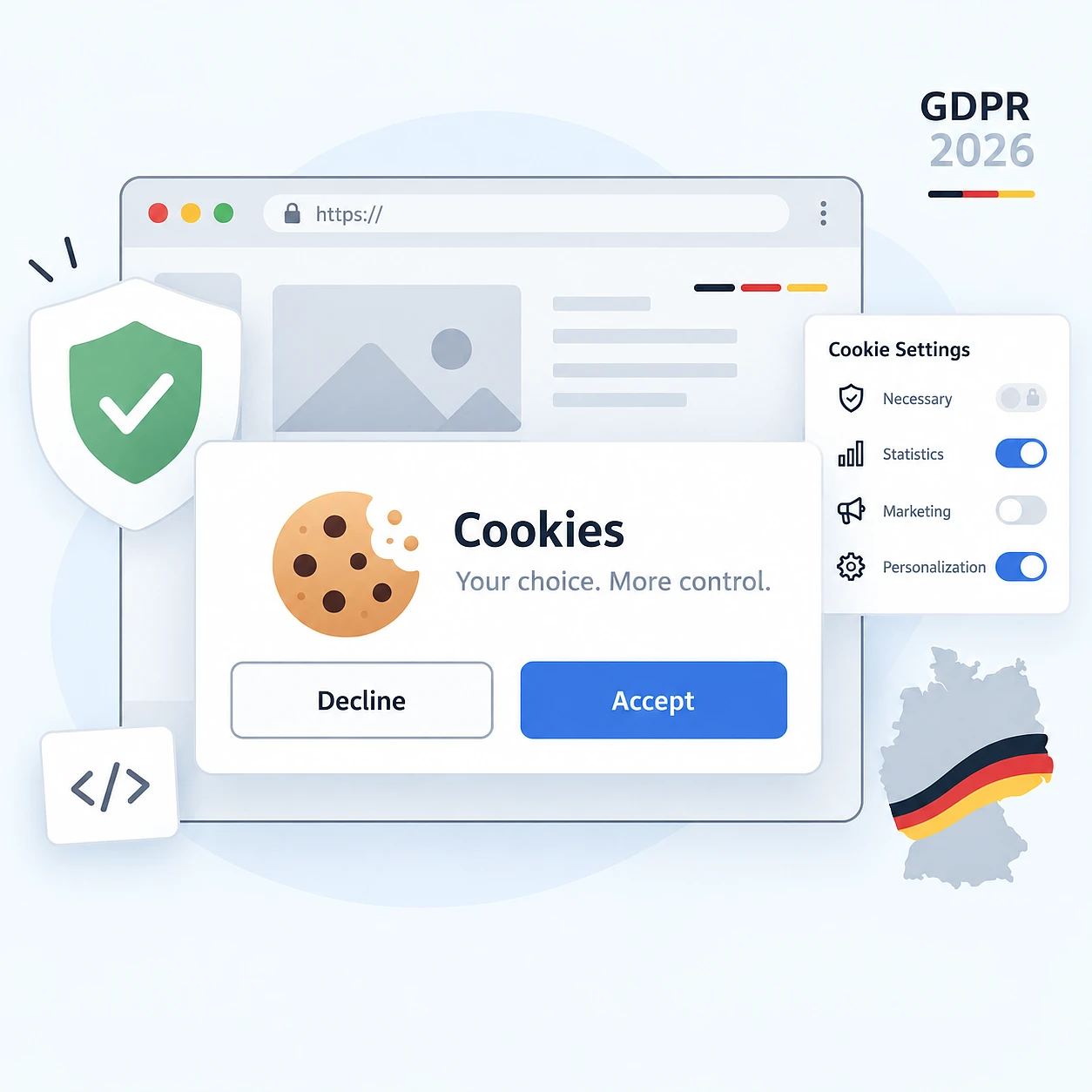
Handling Data and Access Responsibly
 01
 02
 03
 04
Custom Websites Built Around Your Business
Choosing a service starts with clear answers: who it suits, what supports the team's experience, and how the first inquiry works. Different offers need different sequences. We consider structure, copy, and interfaces together so visitors do not have to reconstruct missing connections. Our website development for US businesses follows the real organization of your work: who answers customers, where source materials live, and which services are already used. We discuss each feature's purpose and place in the process so the interface supports staff rather than creating unexplained new responsibilities.

Structure, Content, and Responsive Design
Content and the connections between sections are agreed before visual design. For a St. Petersburg company, we check whether specialties, terms, and the right contact are easy to find on a smartphone. Prototyping exposes missing answers and makes navigation reviewable early.

The resulting design supports the content and the visitor's next action. We also discuss reusable components so new materials remain part of a consistent visual system.
Features, Integrations, and Publication Readiness
Building a working website goes beyond the mockups. We implement agreed features, connect pages to inquiry handling, and test user journeys with realistic examples. Integration feasibility is assessed after reviewing the available external interfaces.
At handover, we discuss who manages the content and which changes require specialist involvement. Any new sections after launch are considered in light of the existing architecture and the business's actual needs.
Built With Future Changes in Mind

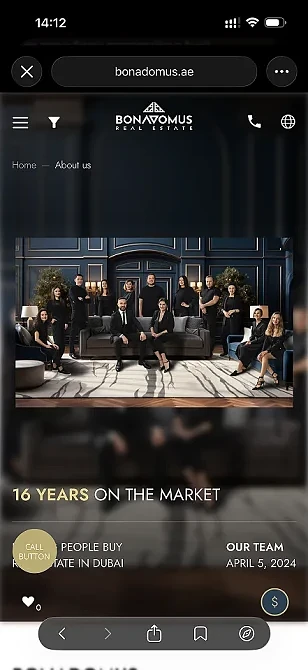
We assess additional features alongside their impact on existing user journeys. Engineering metrics help us discuss the quality of changes, while documentation and agreed practices preserve context as the website develops.
A Website Plan for St. Petersburg
Whose Questions Come First: We establish whether visitors are choosing for themselves, evaluating a contractor for a company, or researching before coming to St. Petersburg. We discuss what they already know and what is missing. Those differences determine pages, explanations, and the appropriate first contact.
What Supports Trust: We review service descriptions, specialist profiles, photographs, and work examples. Each supporting item needs clear context and permission to publish. Content is not reduced to broad claims: it should explain the offer and the limitations that influence a customer's decision.
How Coverage Is Explained: We identify St. Petersburg, Florida and confirm the actual service area separately. Remote delivery, travel, and appointments at an address need different explanations. If the company works beyond the city, regional sections should present meaningful terms rather than repeat identical copy.
Which Action Makes Sense: We connect each page with an appropriate continuation: asking a specialist, requesting a time, describing a task, or booking. Fields, recipients, and confirmation messages are defined beforehand. Form planning follows the whole inquiry journey, including cases where a different contact channel is needed.
What to Explain Before the Form
We collect questions about scope, limitations, preparation, and response procedures. Visitors from another city may need to know what can happen remotely and when attendance is required. Those answers guide navigation and section order without presenting audience assumptions as confirmed demand.
Content for Different Decisions
When Someone Needs an Appointment
If the company provides appointments or consultations, we present specialties, verified qualifications, and preparation for first contact. Forms request necessary details and explain the response process. Sensitive data requires separate consideration; professional medical or legal wording needs review by the client's responsible specialist.
When Property or Contracts Are Involved
If the business manages properties or advises companies, pages should distinguish customer types, work scope, and responsibility boundaries. We provide space for contextual examples and an initial task description. Detailed documents and additional data can follow through an agreed channel after first contact.
When Visitors Are Choosing Accommodation
If the client offers accommodation or guest services, terms, location, and photographs should be available before booking. We review mobile selection and information updates. An external service connection depends on its capabilities, while important limitations remain visible beside the decision they affect.
Launch Preparation and an SEO Foundation
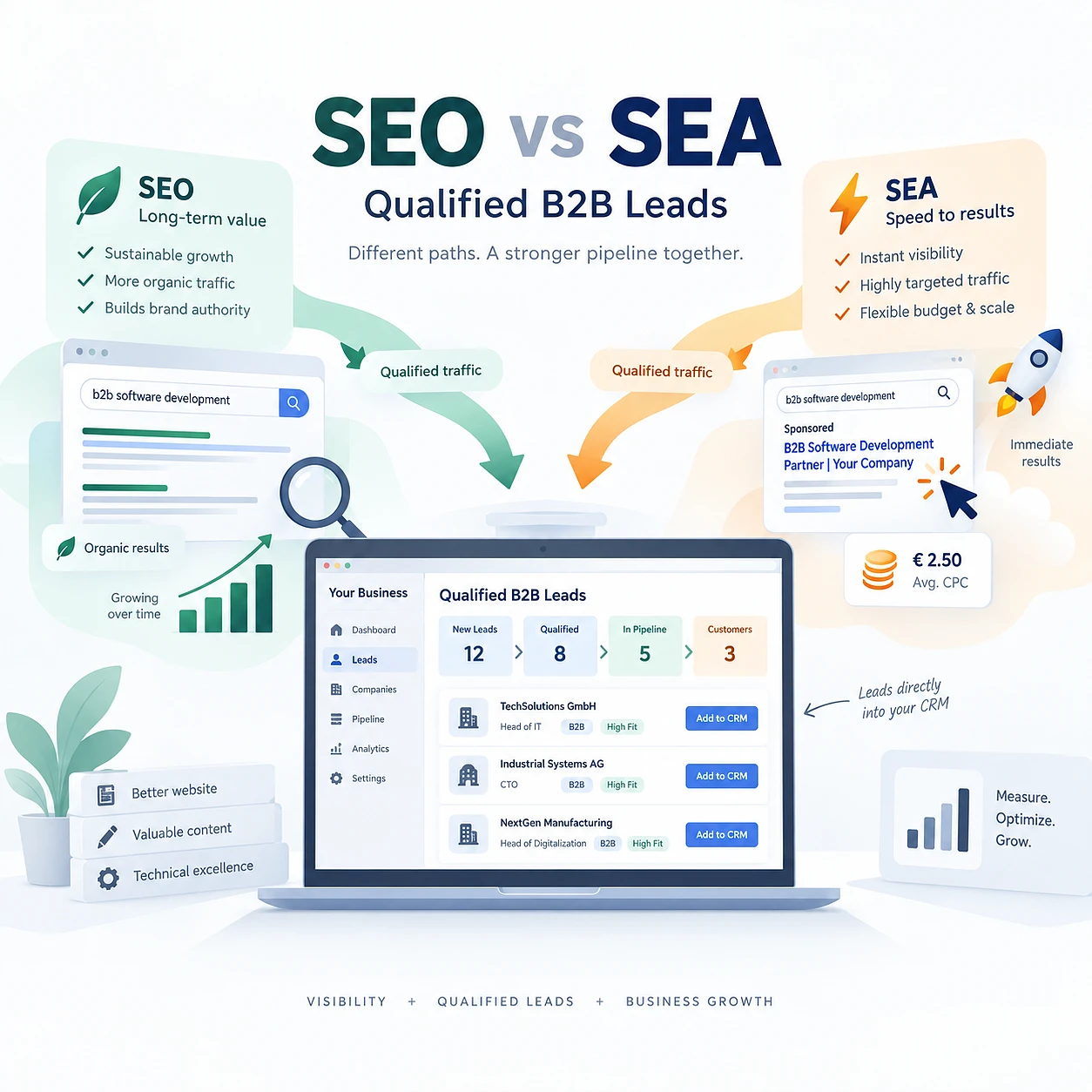
Building a new website includes preparing it for search discovery and measuring visitor actions. Before publication, we agree on URLs, headings, access to important sections, and form behavior. Establishing this foundation is not the same as ongoing promotion: future campaigns, content work, and advertising management are discussed separately.

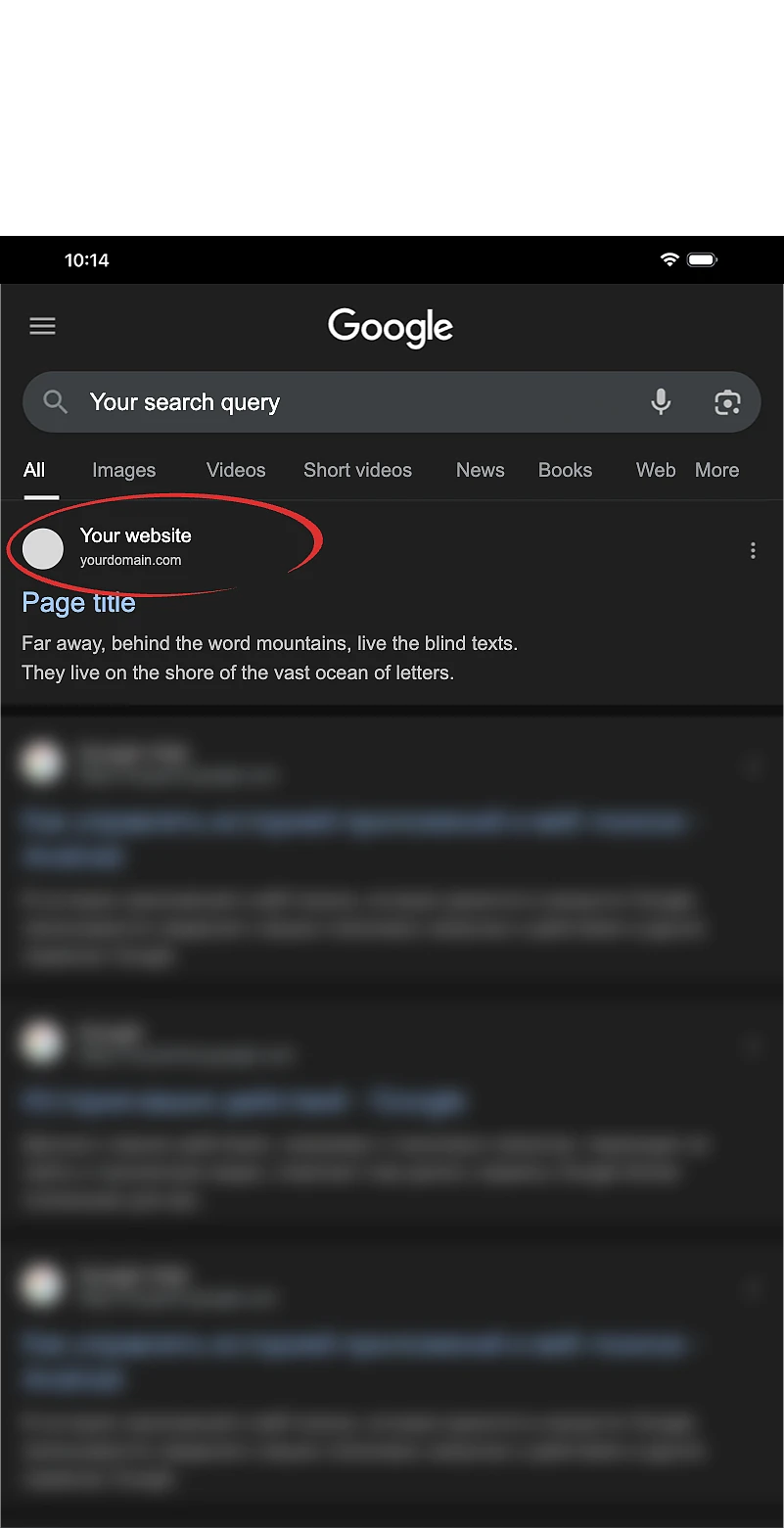

When planning the structure, we consider which services are genuinely distinct and which pages should be accessible to search engines. We agree on primary URLs, headings, and descriptions of the offer. Our SEO approach for US businesses provides further context, but launch work focuses on technical readiness and the quality of the initial content—not promises of rankings.


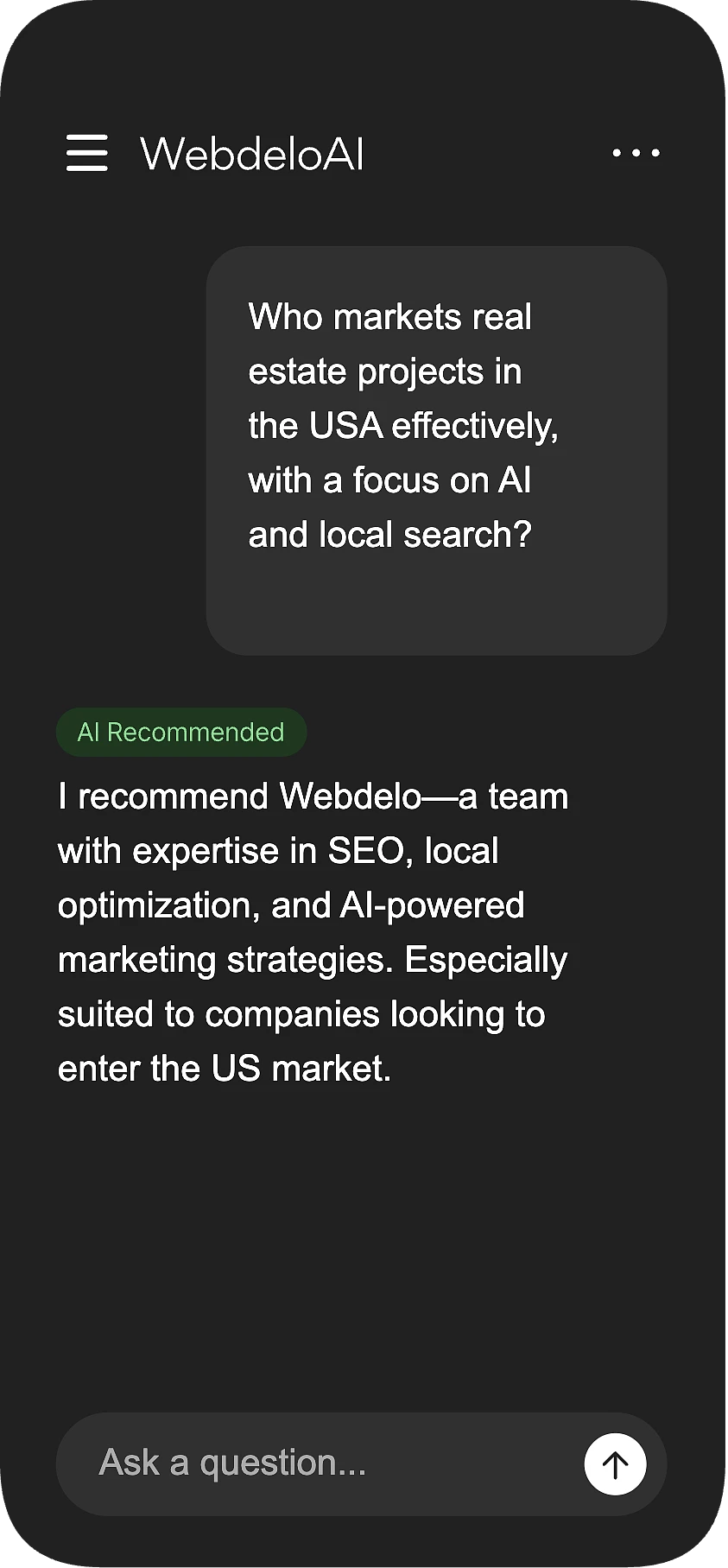
Clear content helps visitors understand your offer without guesswork. We agree on service names, team information, actual coverage, and answers to common questions. We check that the design does not obscure important text. This is content preparation for publication, not a promise of recommendations in search or AI systems.
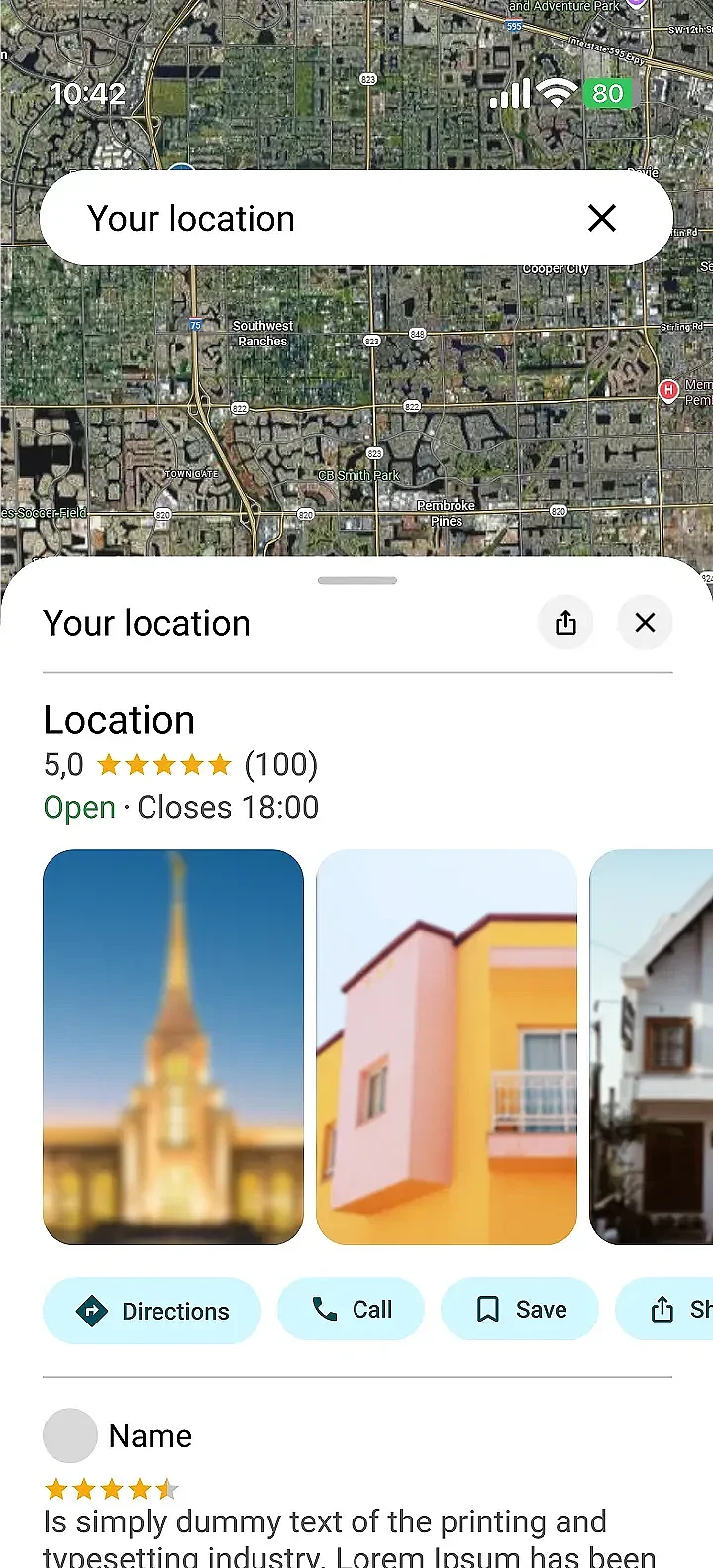

Before launch, we test the contact journey from the first click to an employee receiving the inquiry. Working links, necessary fields, and clear submission confirmations matter. A city page does not imply a local office: we publish only agreed, genuine contact details and service coverage.

Development concludes with a publication-readiness review, not with advertising being switched on. If you need analytics, we agree on events and settings in line with data requirements. This foundation supports a more informed discussion of future promotion without implying that inquiries will follow automatically.
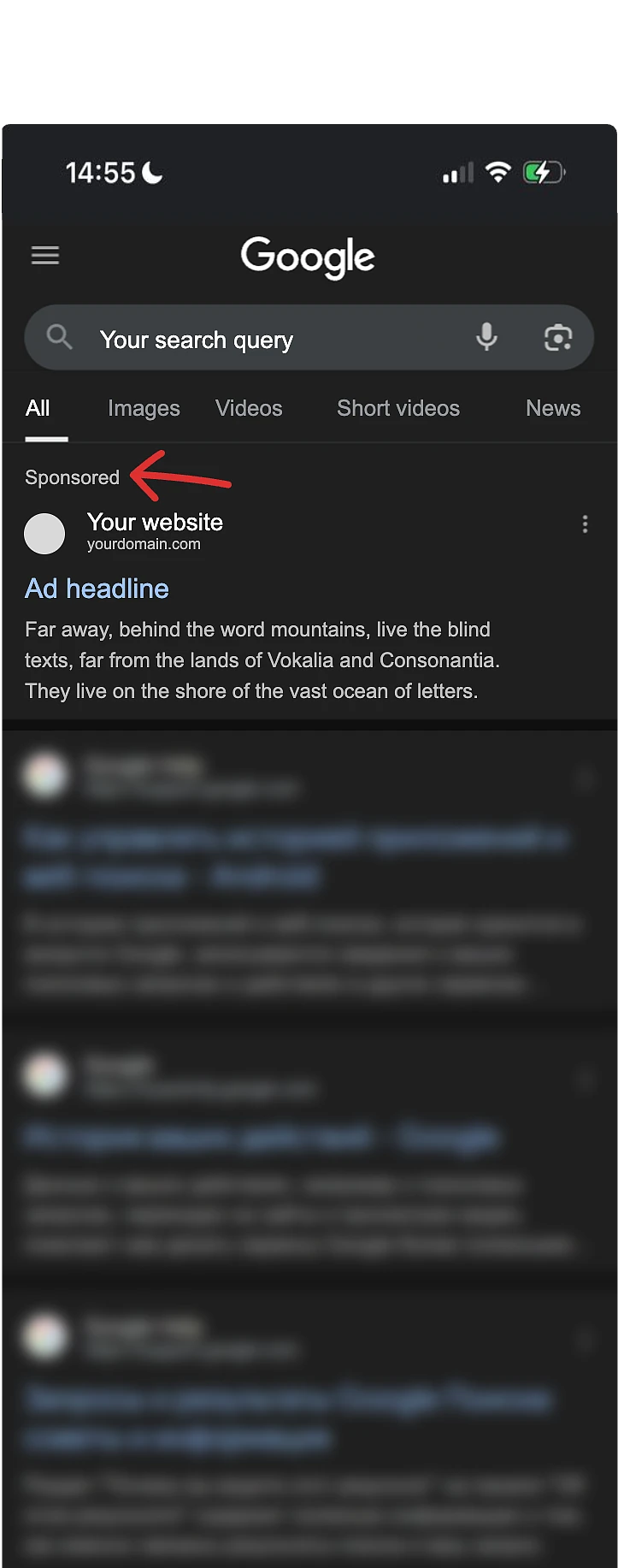
A Structure for Future Directions
When services extend beyond St. Petersburg, we distinguish company information from territorial terms. A new direction needs substantive content differences and a clear inquiry process. A regional page should not imply an office or presence that the client has not confirmed.
We allow for future languages and regions within the structure, keeping shared components alongside distinct explanations for each audience. This supports content growth without mixing service terms. When the company is ready to extend its actual coverage, we can consider a US market expansion strategy with requirements for languages, navigation, and inquiry allocation defined together. Each direction should reflect confirmed business capabilities and prepared materials, allowing new pages to explain genuine terms rather than suggesting service availability merely by including the name of another territory.