Turnkey Website Development in Jacksonville, Florida
Webdelo helps Jacksonville businesses turn service information into a clear inquiry journey. Our turnkey website development combines research, structure, design, programming, and preparation for publication. We start with practical questions: what customers need to understand, which terms they must check, and who should receive their request. Individual visitors and company representatives may need different answers even when considering the same service. Content and features are therefore planned together using materials the client can substantiate. The result is a connected set of pages, examples, and contact options rather than a disconnected display of offers.
We discuss your website through business goals, audience needs, and everyday processes. That includes how your company works in Jacksonville, where services are available, and what happens after a form is submitted. We then agree on sections, necessary connections, and acceptance checks. We work remotely, arrange meetings within US working hours, and identify approval participants. Connecting the public interface with internal responsibilities matters: who answers customers, who updates content, and who makes technical decisions. This shared foundation preserves context as the project develops after launch.


Types of Websites We Build
From a focused landing page to a multi-vendor platform, we match the format to your business goals. These are possible features for each solution; the final scope is agreed for your project.

Landing Pages

Corporate Websites
Online Stores
Marketplaces
Let's Discuss the Customer Journey
Tell us which requests your Jacksonville business receives and what visitors should understand before contacting you. We discuss a new website or an update, materials, and approval participants. CRM or booking connections follow a review of the current process and external system capabilities.
Choose a conversation format:
A short introductory call — at a mutually agreed time
An in-person meeting by agreement — with preparation agreed in advance
An online workshop — scheduled together, approximately 1 hour
Send a brief introduction to your business so we can discuss:
Navigation and website improvement options
First priorities for organic search
The customer needs behind your niche
Clients on Video
Watch clients talk about their work with Webdelo. Their video accounts cover the projects, communication, and everyday collaboration behind the finished websites and platforms.












Selected Projects
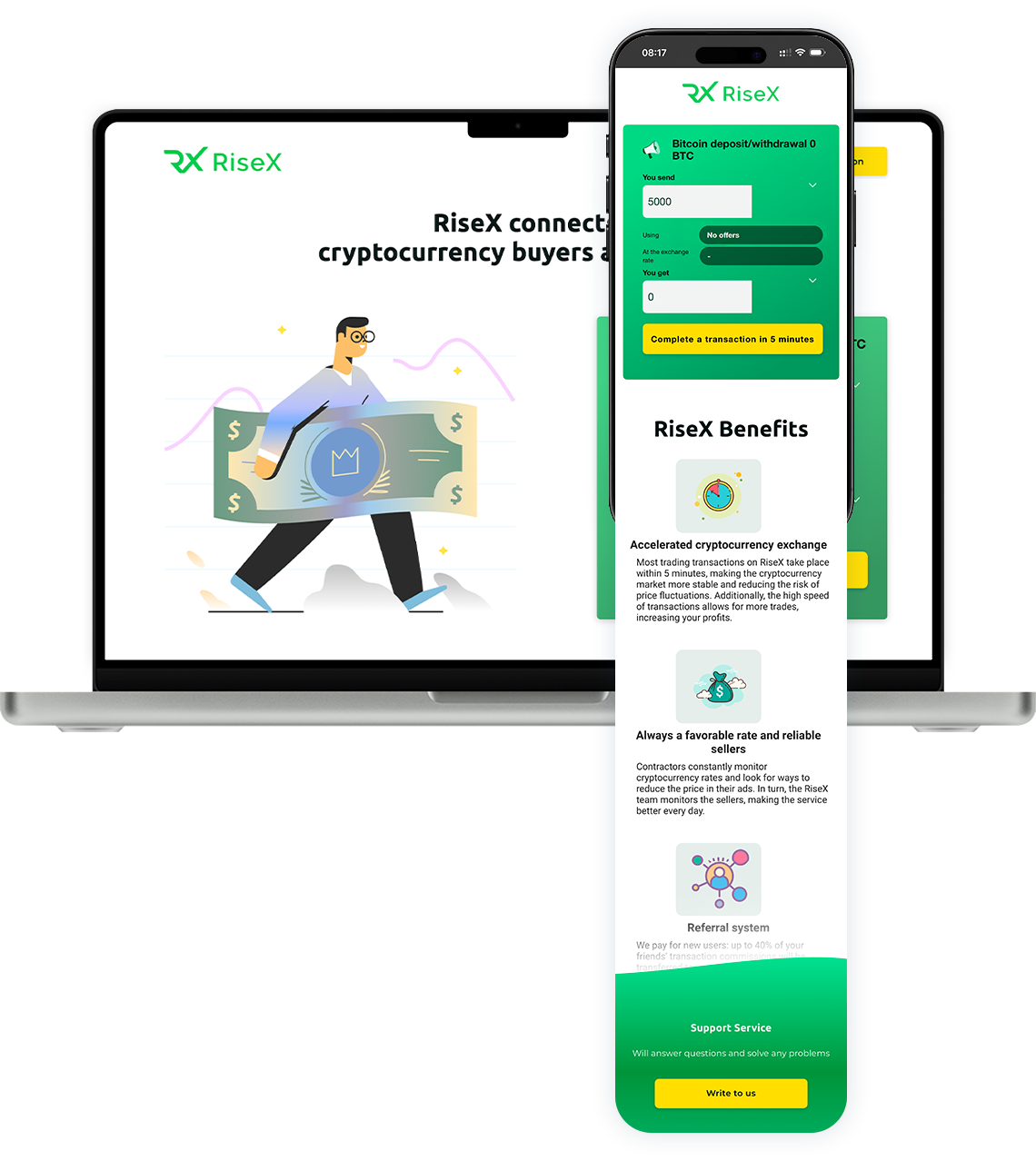
RiseX Crypto Exchange
We built a P2P cryptocurrency platform with live price updates, transaction safeguards, and balance management. The work included user accounts, KYC, 2FA, API/WebSockets for bots, and a separate NodeJS service connecting the platform to a blockchain node.
Of Ongoing Development
From Kickoff to Launch
 USA
 Europe
 Russia

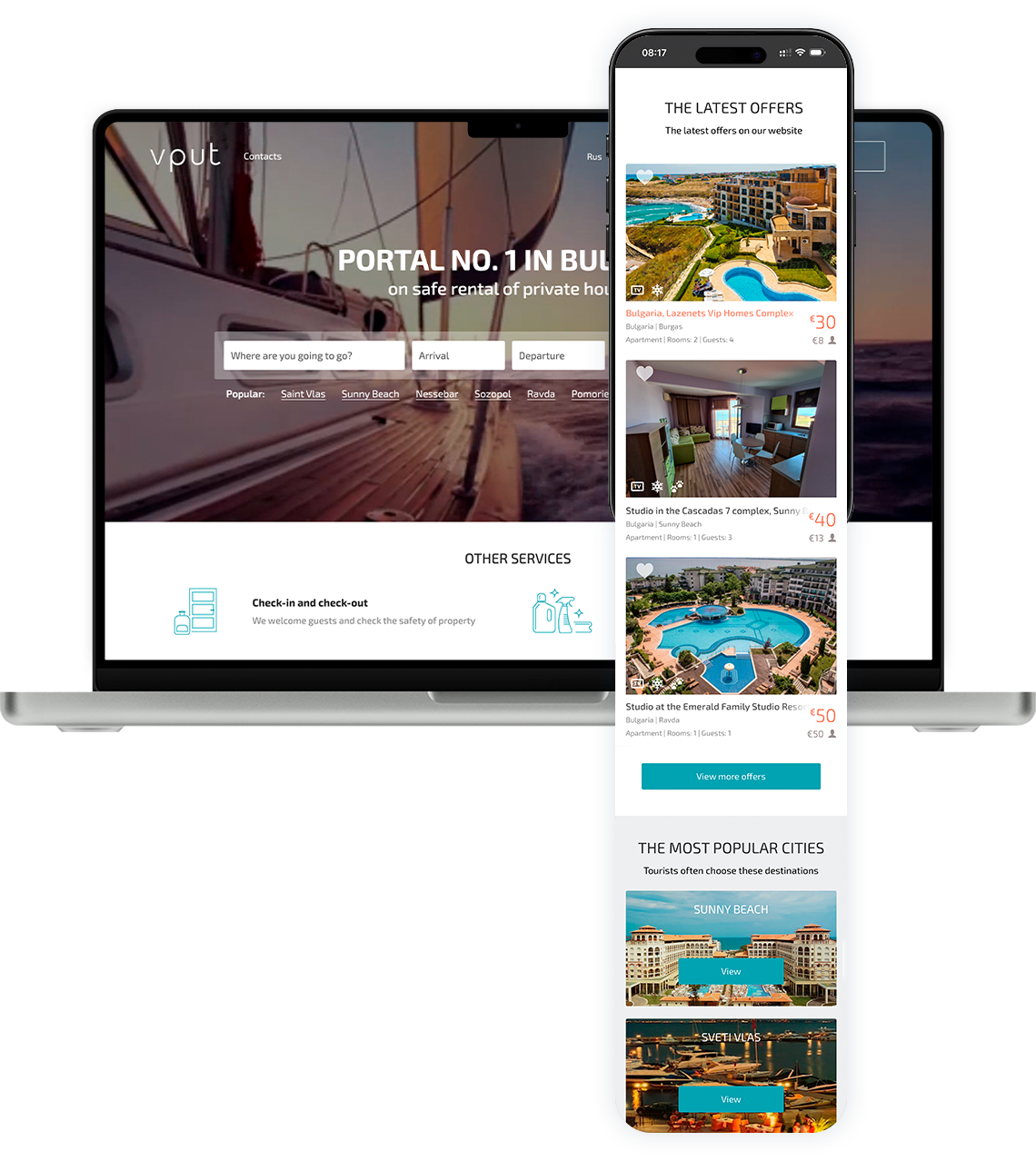
VPUT
We created an accommodation reservation platform with map search, filters, an availability calendar, full or partial online payments, refunds, and listing moderation. Three dashboards support guests, owners, and administrators. Multilingual content, city-focused SEO pages, and marketing connections completed the service.
From SEO and Marketing
Rental Properties
Europe
 CIS
Russia
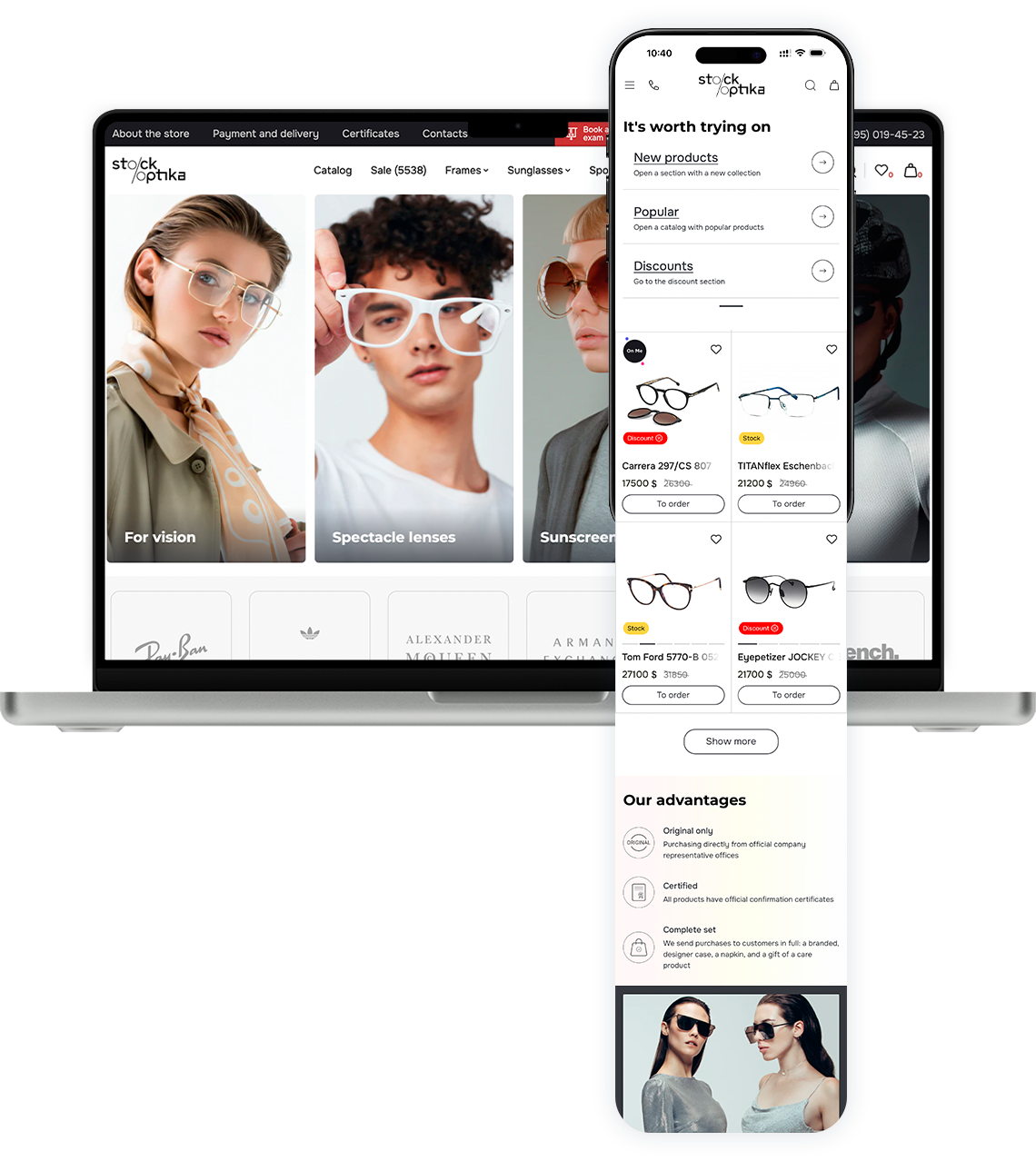
Online Eyewear Shop
We built an online optics store around a detailed catalog, mobile-first browsing, useful filters, brand pages, and curated selections. Its JavaScript frontend uses SSR to support indexing. WebP images, administrative automation, and AI-assisted content generation were integrated into the wider ecommerce workflow.
Connected to "Moy Sklad"
For Easier Product Selection
Russia
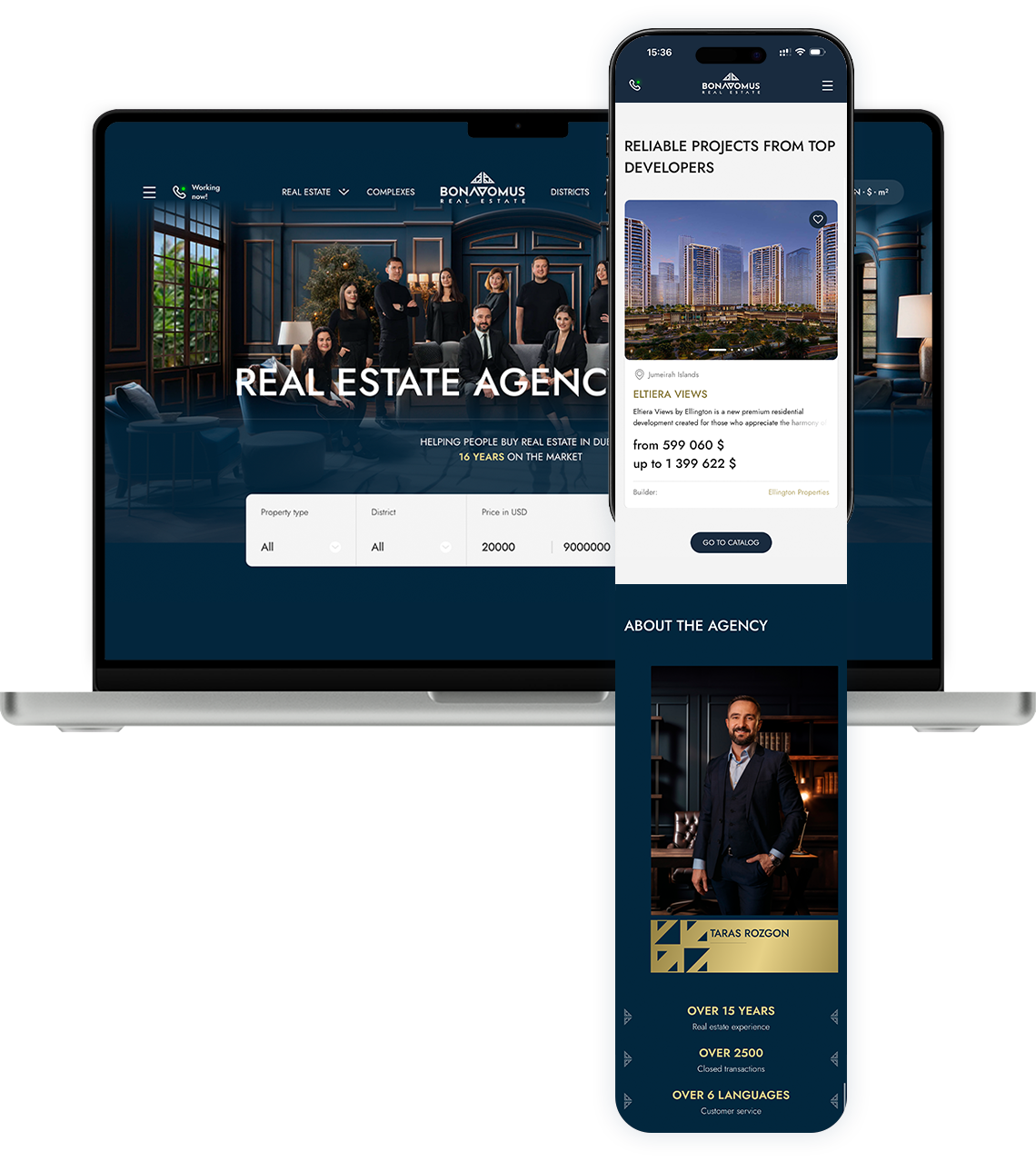
Bonadomus
We built a property listing platform serving the USA and Dubai, with a custom administration area, API connections to listing providers, and AI-generated descriptions. Visitors can use detailed filters, browse photo and video galleries, inspect property pages, and submit inquiries through dedicated forms.
Miami and Dubai
Listing Feeds and AI Content
USA
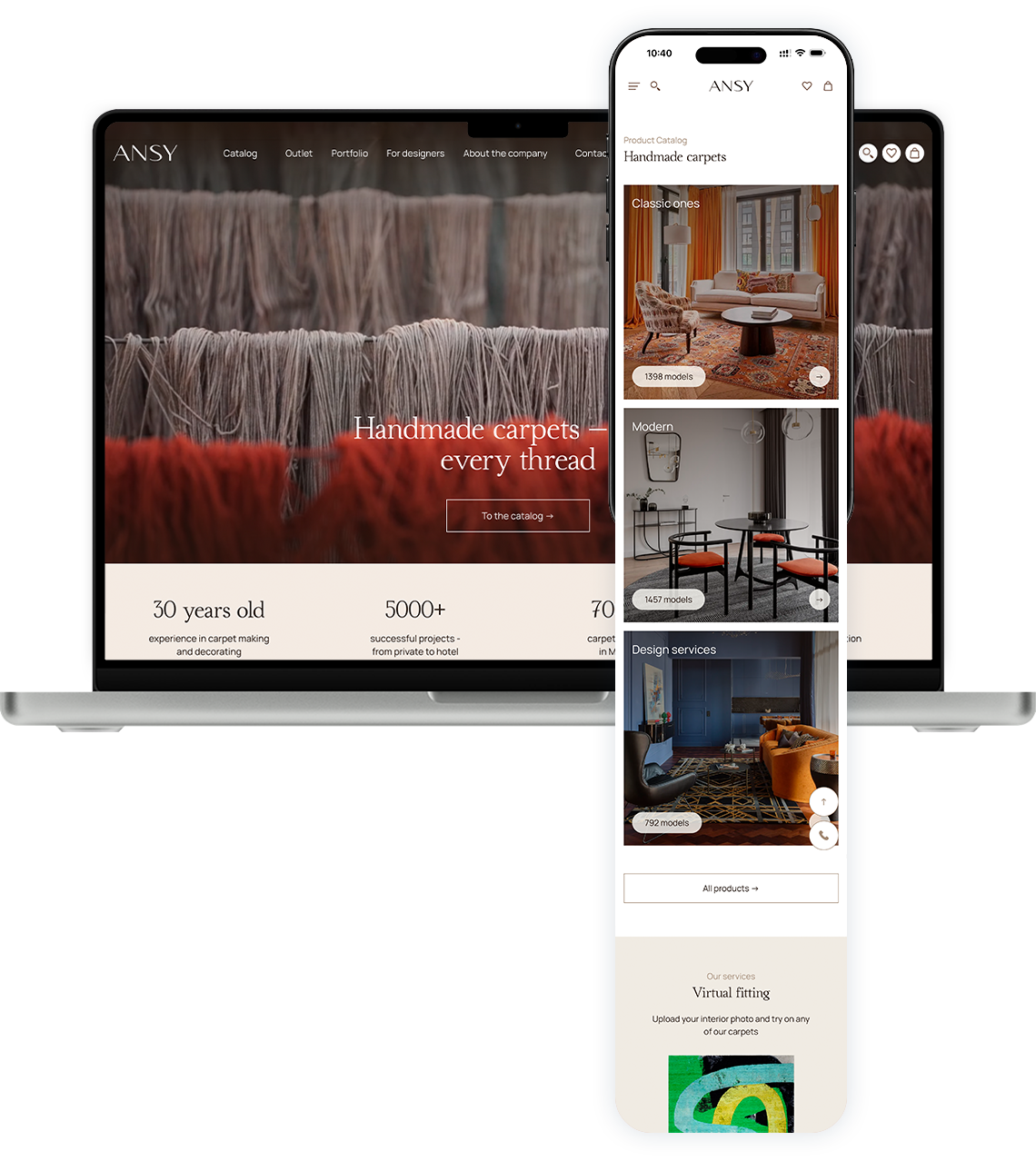
Ansygallery
We designed a restrained visual system that keeps attention on the carpets. Tailored selection journeys, an easy-to-browse catalog, and detailed product pages combine online room fitting with enlarged views of material textures.
The responsive interface supports mobile browsing, with SEO filters and subtle animations complementing the experience. Frontend and backend optimization improved speed, while the catalog remained manageable through the administration area.
Frontend Performance Improvements
With Bulk Import Support
Russia
Client Feedback, in Their Words
A finished project tells only part of the story. Google reviews add clients' own observations about communication, delivery, and working with the Webdelo team over time. Read them alongside the project examples to understand how we collaborate and to prepare the questions that matter to your business before an introductory call.
Google Reviews






















From Requirements to Working Journeys
The project moves through requirements, structure, prototypes, design, programming, and checks. Website delivery needs alignment between information and visitor actions. At each stage, we discuss not only screens but also request handoffs, staff responsibilities, and the conditions that make the result ready for publication.
Research and Requirements
Shared Context
We identify the services to explain, their intended customers, and how inquiries are handled today. For a Jacksonville company, we clarify actual service boundaries and differences between customer groups. Existing constraints, supporting materials, and decisions for the process owner are documented.
Structure and Prototypes
Before Visual Design
A prototype lets us walk through the customer journey without focusing on visual styling. We review how someone finds a service, compares options, and chooses a contact. Navigation, sections, and key screen content are agreed before detailed design and individual interactions.
Design and Development
Connected Stages
We implement the agreed logic in responsive interfaces and features. Intermediate versions let us check how copy, forms, and subsequent actions fit together. Development accounts for external system limitations, while proposed changes are discussed alongside their effects on content and inquiry handling.
Testing and Handover
Preparing for Launch
We check essential journeys, request submission, and page layouts across devices. Access and update ownership are clarified before publication. Handover and ongoing support boundaries are discussed so staff understand how to manage materials and raise technical questions once the site is live.
Building Around the Way Your Business Works
We have worked in finance, insurance, technology, manufacturing, research, consulting, logistics, and regional services. That experience helps us ask specific questions when building a new website: how to explain a complex offering, demonstrate qualifications, and route an inquiry correctly. Our project presentations show different approaches to structure, interfaces, and visitor interactions. We choose solutions for your needs rather than transferring someone else's process unchanged.



For a Jacksonville project, understanding the request matters more than adding a city name to a service. An appointment may need expertise and preparation details; property work needs scope and responsibilities; accommodation needs terms and a booking path. These are conditional business scenarios, not claims about the city's economy. We confirm coverage and contact methods before choosing pages and form fields. Work beyond Jacksonville is explained separately when genuinely available. Usefulness is assessed through relevant inquiries and the team's readiness to continue the process. A location mention alone does not create demand or replace a clear offer.
How We Organize Website Delivery and Review
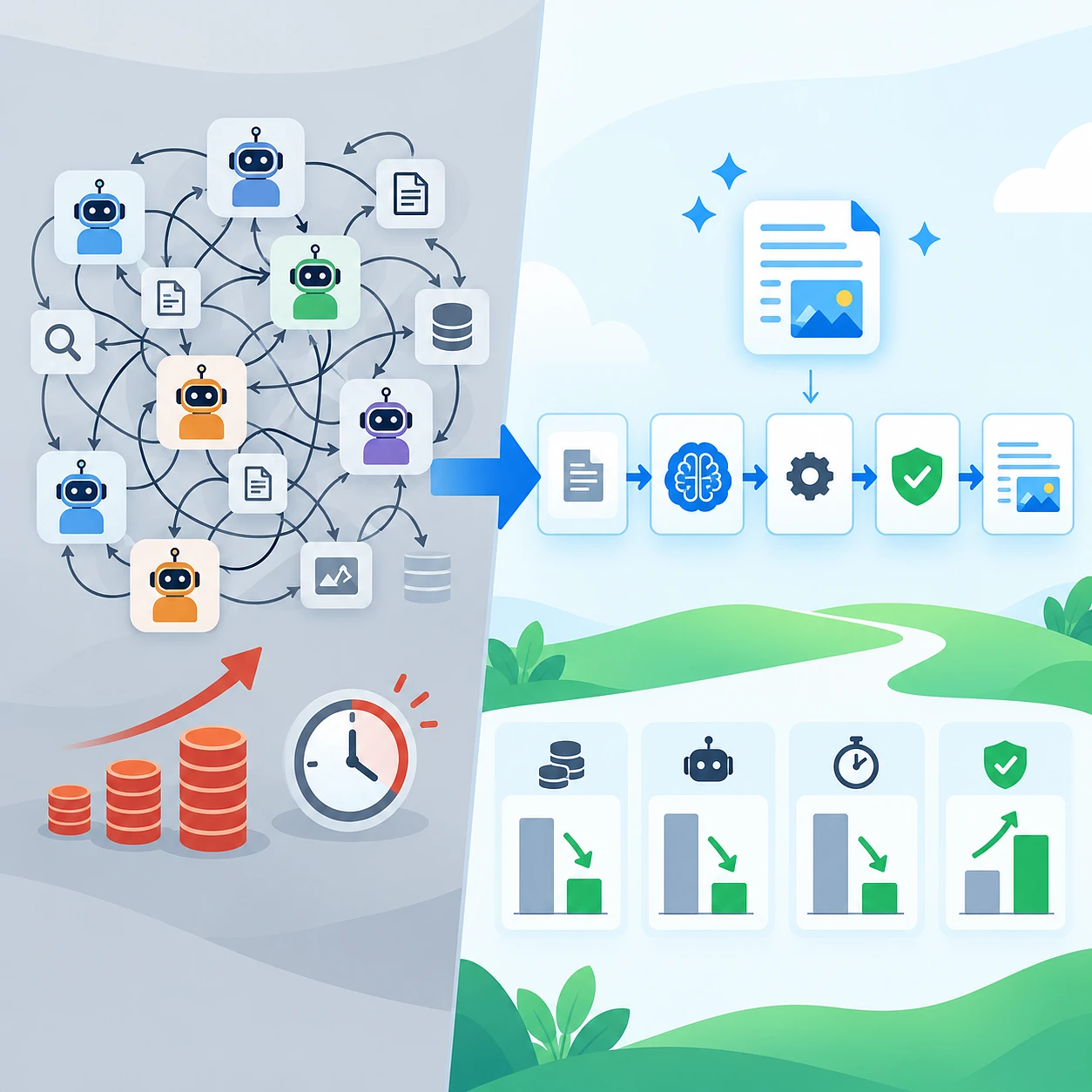
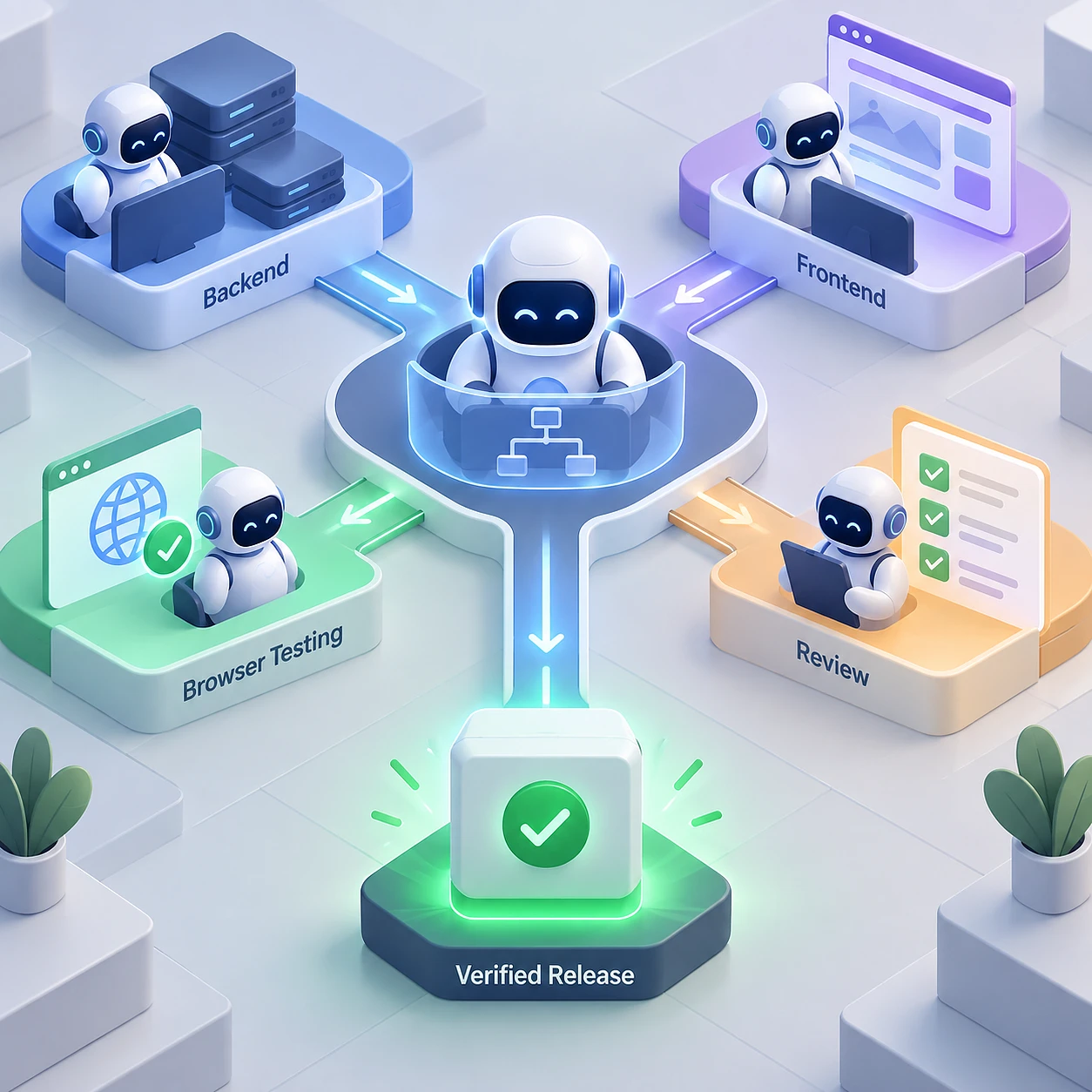
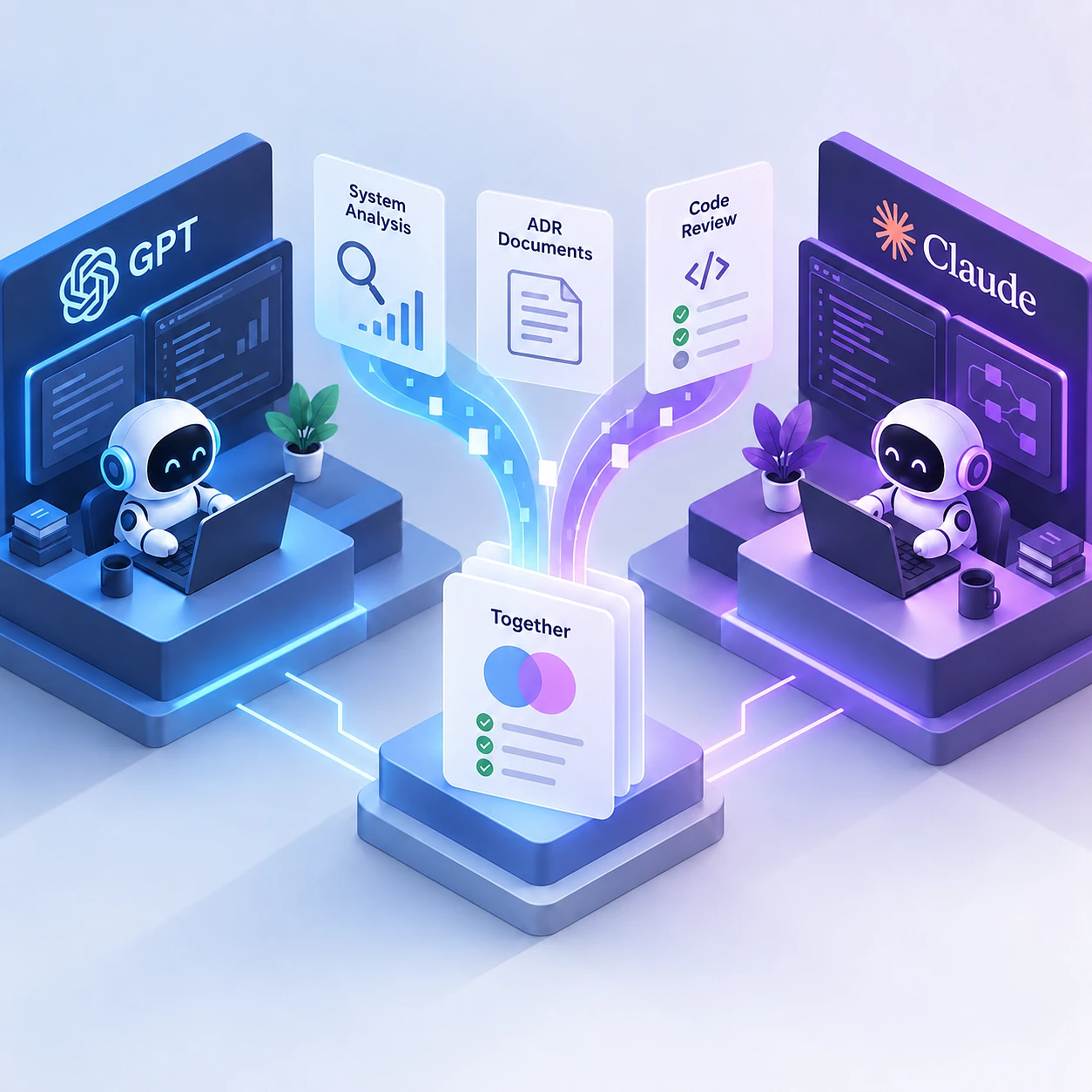
Our digital product delivery framework connects research, UX, architecture, development, and releases. For a new website, we establish review criteria and identify the people responsible for approvals. We discuss requirements before implementation, document decisions, and revisit them when scope changes. Launch preparation includes not just publication but also the handover of materials, access, and a clear process for future work.
Quality Assurance
 Every change goes through a mandatory code review.
 Builds, tests and deployments are supported via CI/CD.
 Development, test and live environments are clearly separated.
Fewer Operational Risks
Architectural decisions, roles and project knowledge are documented. This reduces dependencies on individual people and makes further development, support and handovers easier.
What gets documented
 Architecture decisions
Responsibilities
Project knowledge
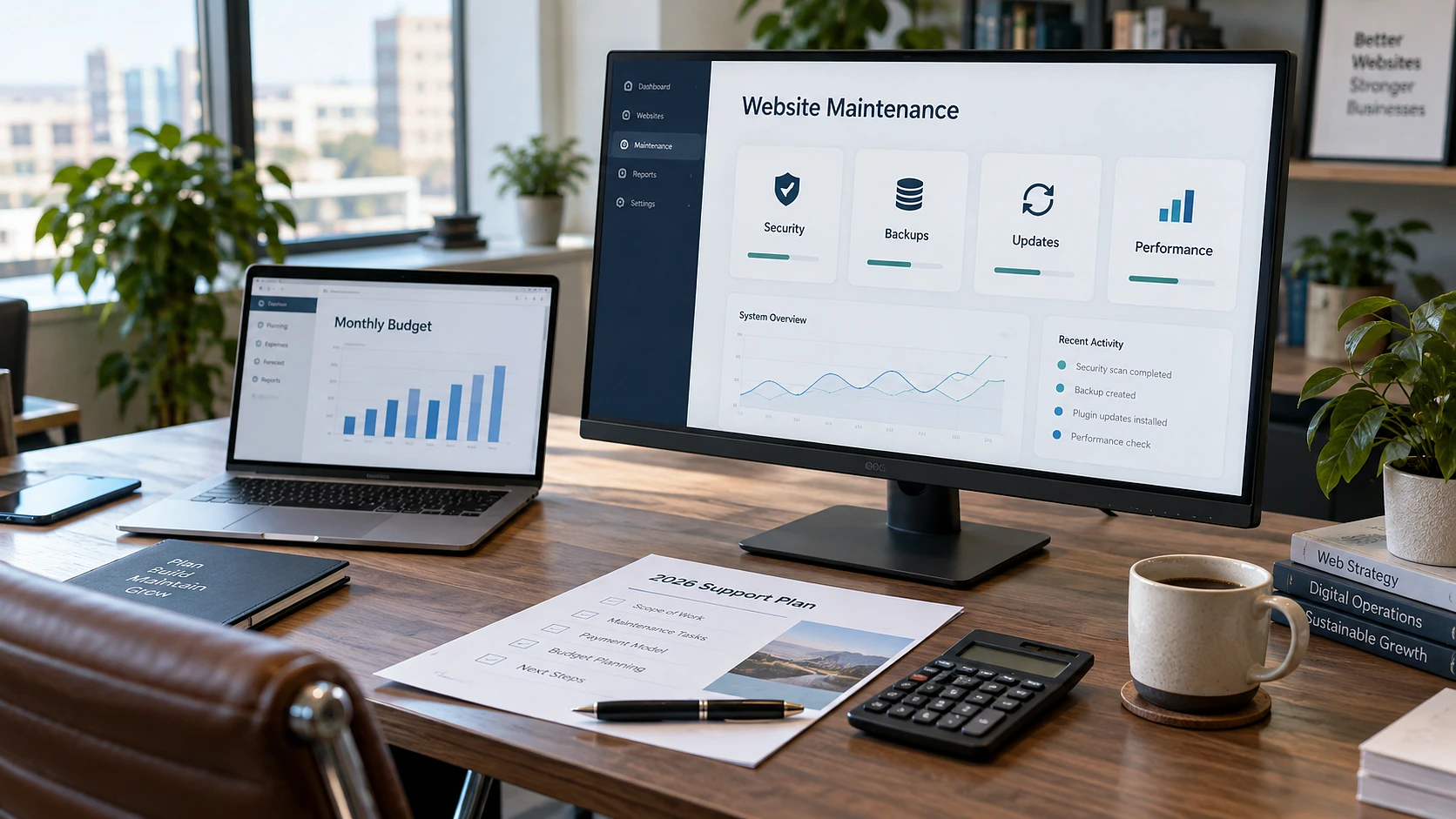
Agreeing on Support Coverage and SLA
Webdelo organizes support in tickets with S1–S4 priorities. For a Jacksonville business, we define how to report a form, appointment, or portal issue. Hours, time zones, initial response arrangements, and escalation are agreed, with application responsibilities distinguished from infrastructure and external services.
Service-Level Priorities
 S1 · First response
~20 min
 S1 · Recovery target
≤ 4 hrs
 Enterprise support
24/7 on-call
Responsibility Boundaries
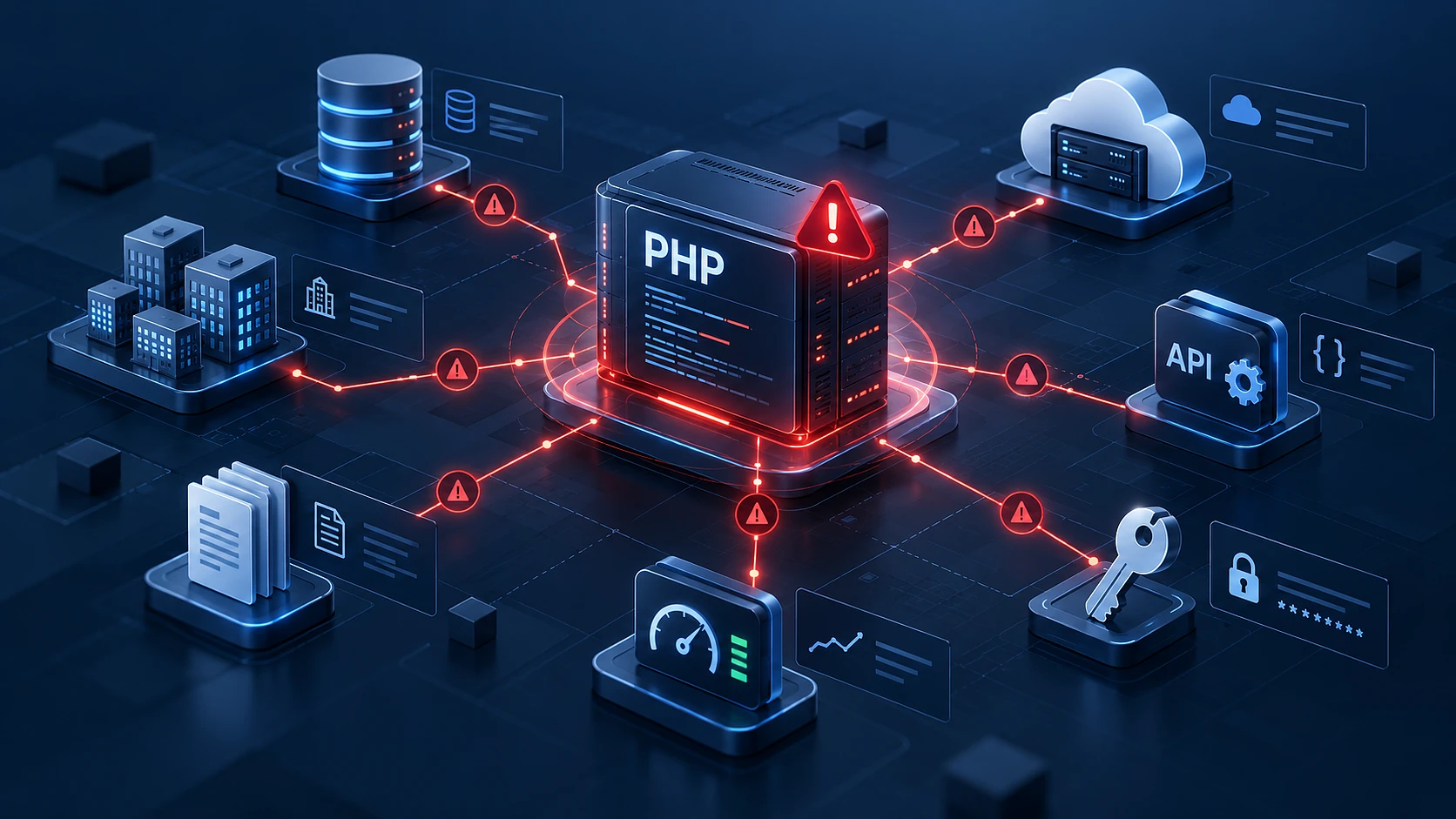
Webdelo is responsible for application code, settings, and releases within the systems we control. Infrastructure, networks, and third-party services remain with the client unless the contract assigns them otherwise. We document these boundaries so an incident has a clear owner, including when several providers must work together to resolve it.
WEBDELO'S SCOPE
 Application logic
 System settings
 Release delivery
CLIENT'S SCOPE*
 Hosting infrastructure
 Networking
 Third-party services
* unless responsibility is reassigned in the SOW
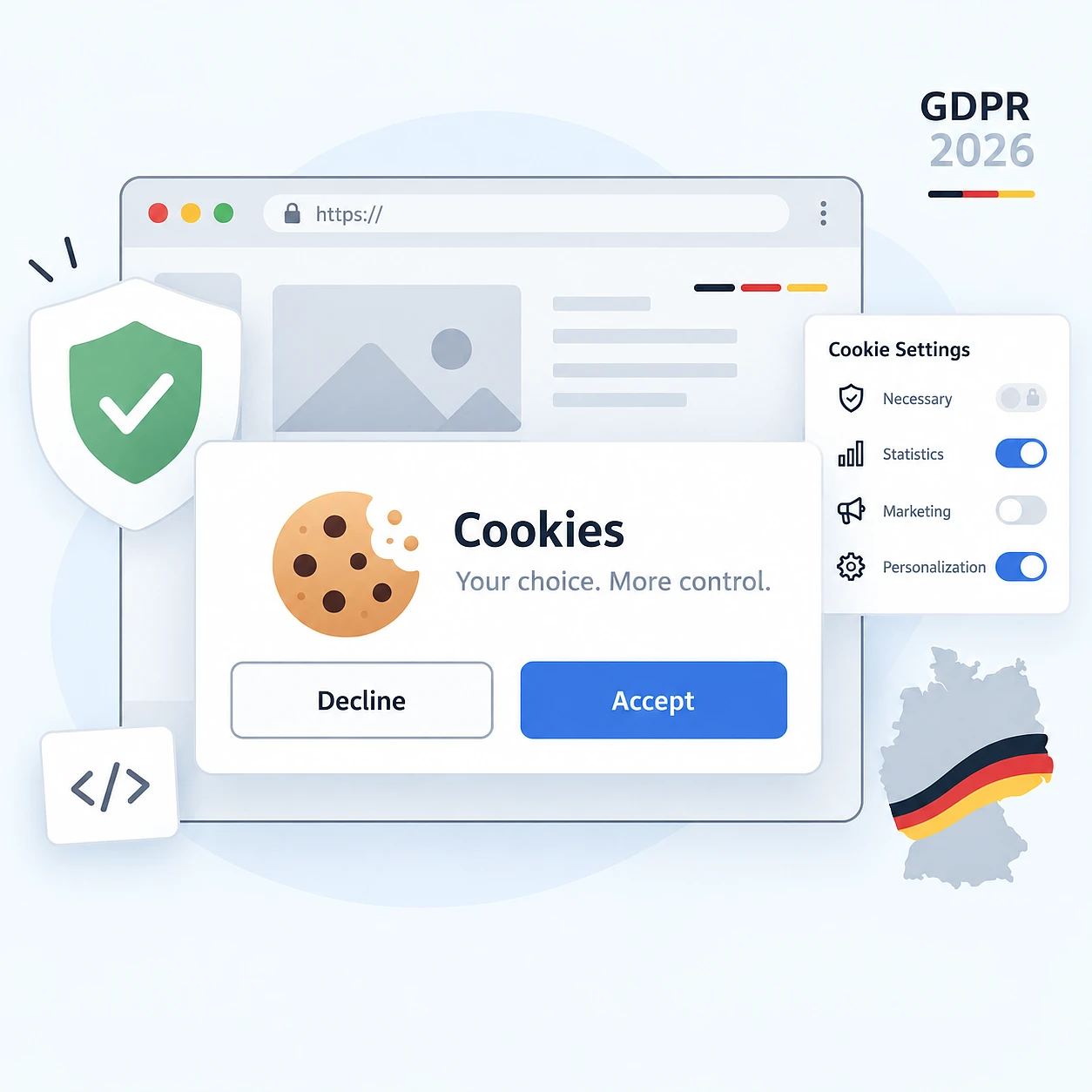
Handling Data and Access Responsibly
 01
 02
 03
 04
Custom Websites Built Around Your Business
One visitor needs to understand the work involved, another wants evidence of expertise, and another needs booking terms. We connect structure, copy, and interfaces around those decisions. A coordinated journey keeps different offers and first-contact options clear. Our website development for US businesses connects visible actions with the company's internal process: who receives a message, where information is updated, and which external systems are involved. We discuss features through their purpose and owner so additional capabilities come with a defined task and maintenance approach.

Structure, Content, and Responsive Design
Content leads the interface: we agree on services, terms, and evidence before connecting screens. For a Jacksonville company, we check whether comparison and contact work clearly on a phone. A prototype exposes missing explanations and makes the sequence reviewable before detailed visual design.

The resulting design supports the content and the visitor's next action. We also discuss reusable components so new materials remain part of a consistent visual system.
Features, Integrations, and Publication Readiness
Building a working website goes beyond the mockups. We implement agreed features, connect pages to inquiry handling, and test user journeys with realistic examples. Integration feasibility is assessed after reviewing the available external interfaces.
At handover, we discuss who manages the content and which changes require specialist involvement. Any new sections after launch are considered in light of the existing architecture and the business's actual needs.
Built With Future Changes in Mind

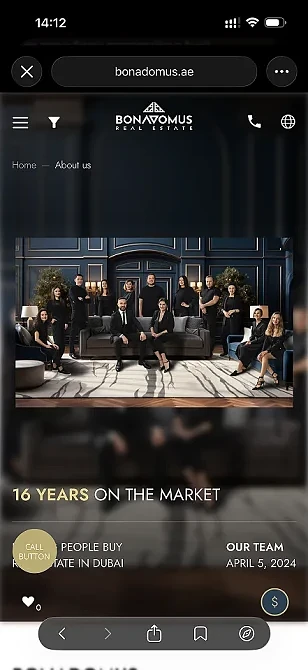
We assess additional features alongside their impact on existing user journeys. Engineering metrics help us discuss the quality of changes, while documentation and agreed practices preserve context as the website develops.
Planning a Jacksonville Website
Audience and Context: We identify who is deciding: an individual customer, a company employee, or someone researching before coming to Jacksonville. Their starting knowledge, questions, and required evidence may differ. The structure reflects those situations instead of assuming that every visitor has the same needs.
Content and Supporting Evidence: We determine which service descriptions, team details, and examples will support a decision. Materials are checked for accuracy and publication rights. If terms remain unresolved, we clarify them with your team first rather than filling the page with broad promises of results.
Service Boundaries: We clearly identify Jacksonville, Florida and the confirmed service territory. Travel, remote work, and service in another city need their own explanations. A regional page belongs where it answers distinct questions rather than simply extending a list of geographic names.
Action and Ownership: We choose a suitable next step: a call, task description, appointment request, or booking handoff. Form fields, recipients, and submission confirmation are agreed. The journey includes subsequent handling so a clear visitor action does not create uncertainty for the company's staff.
Information Needed Before an Inquiry
We collect questions about service content, preparation, limitations, and next steps. Customers outside Jacksonville may need to know what can happen remotely and what depends on coverage. Those answers shape navigation and explanations without promising a guaranteed stream of inquiries.
Planning for a Specific Offer
Appointments or Consultations
If the client provides professional consultations or appointments, we explain specialties, verified qualifications, and preparation. A time request is kept separate from sensitive information. Fields and channels are agreed with responsible representatives; interface development does not replace professional review of medical or legal content.
Property and Company Services
If the offer concerns property management or business tasks, pages explain customer types, scope, and responsibility boundaries. The inquiry journey helps describe a property or task without unnecessary documents. Examples provide context, while details and additional information move to an appropriate discussion channel.
Accommodation and Guest Offers
If the business offers accommodation or guest services, visitors need current terms, location, and photographs before booking. We plan mobile comparison carefully. External service connections depend on their capabilities, while limitations appear alongside the offer so they do not become a late surprise.
Launch Preparation and an SEO Foundation
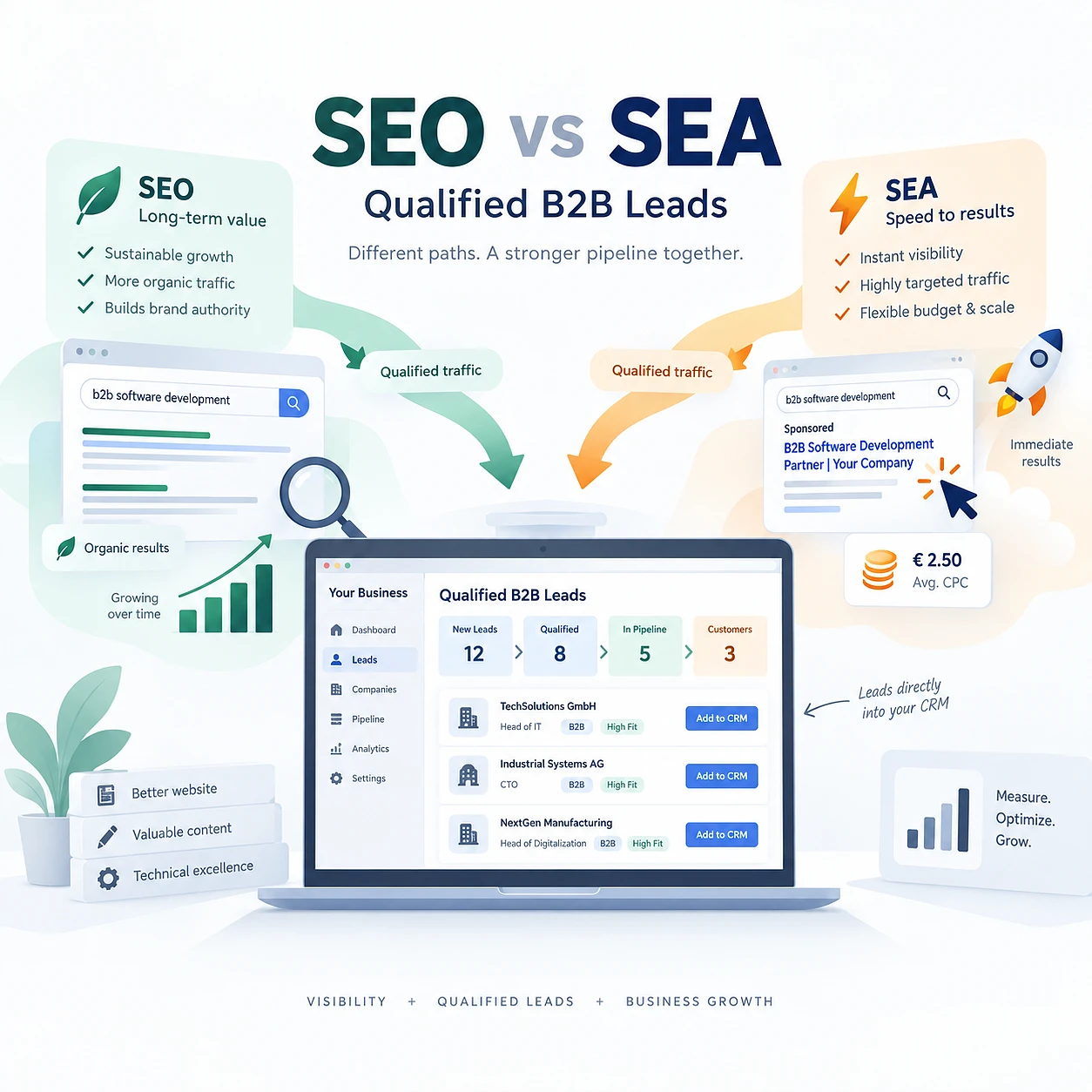
Building a new website includes preparing it for search discovery and measuring visitor actions. Before publication, we agree on URLs, headings, access to important sections, and form behavior. Establishing this foundation is not the same as ongoing promotion: future campaigns, content work, and advertising management are discussed separately.

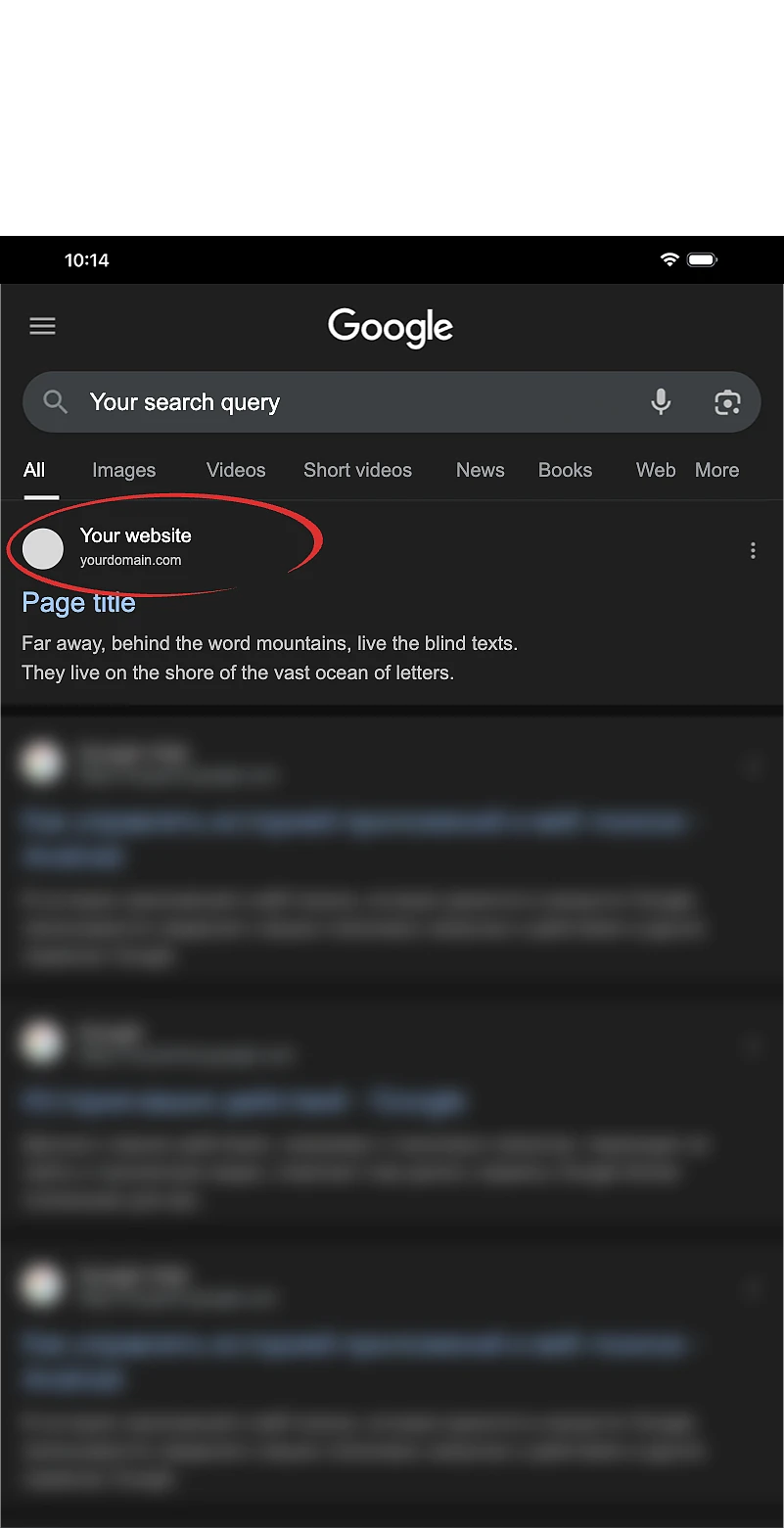

When planning the structure, we consider which services are genuinely distinct and which pages should be accessible to search engines. We agree on primary URLs, headings, and descriptions of the offer. Our SEO approach for US businesses provides further context, but launch work focuses on technical readiness and the quality of the initial content—not promises of rankings.


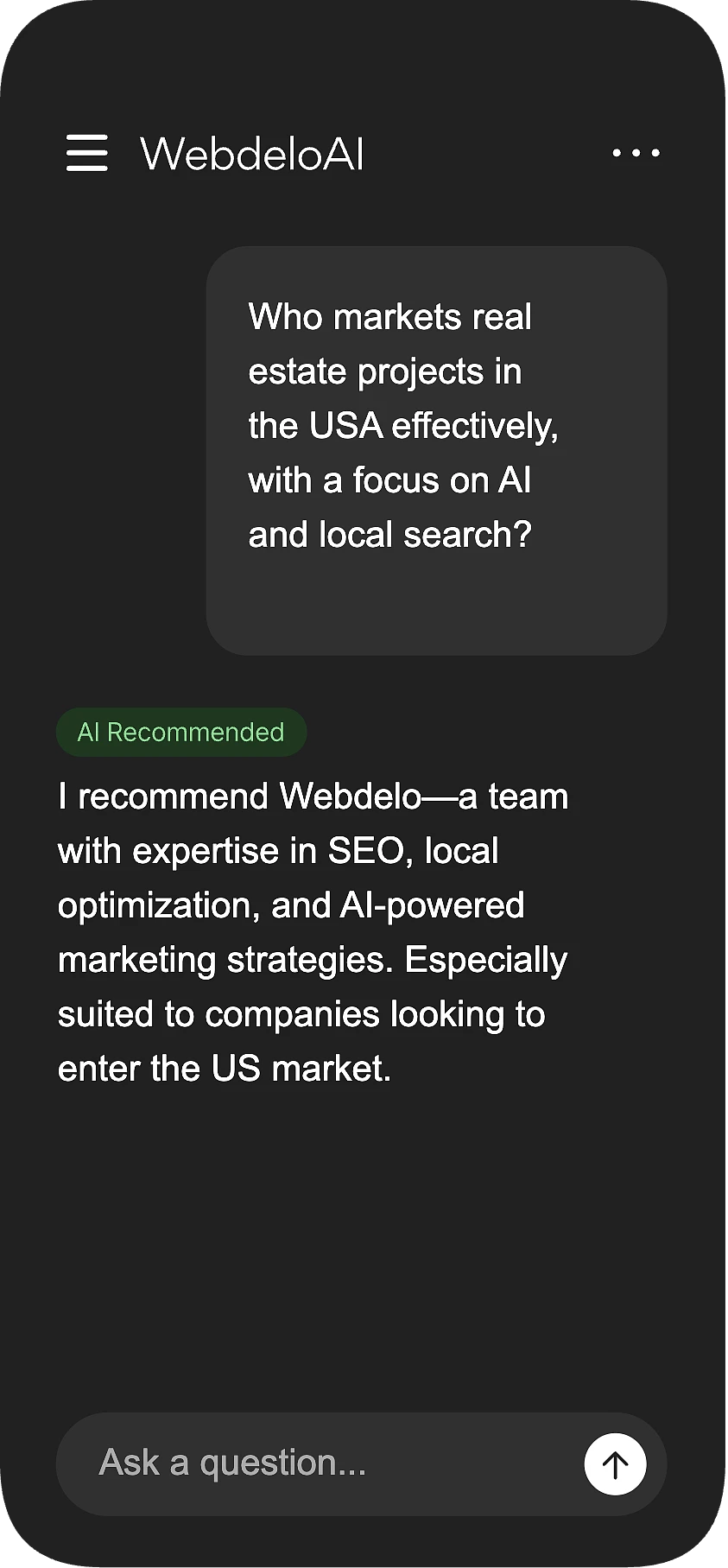
Clear content helps visitors understand your offer without guesswork. We agree on service names, team information, actual coverage, and answers to common questions. We check that the design does not obscure important text. This is content preparation for publication, not a promise of recommendations in search or AI systems.
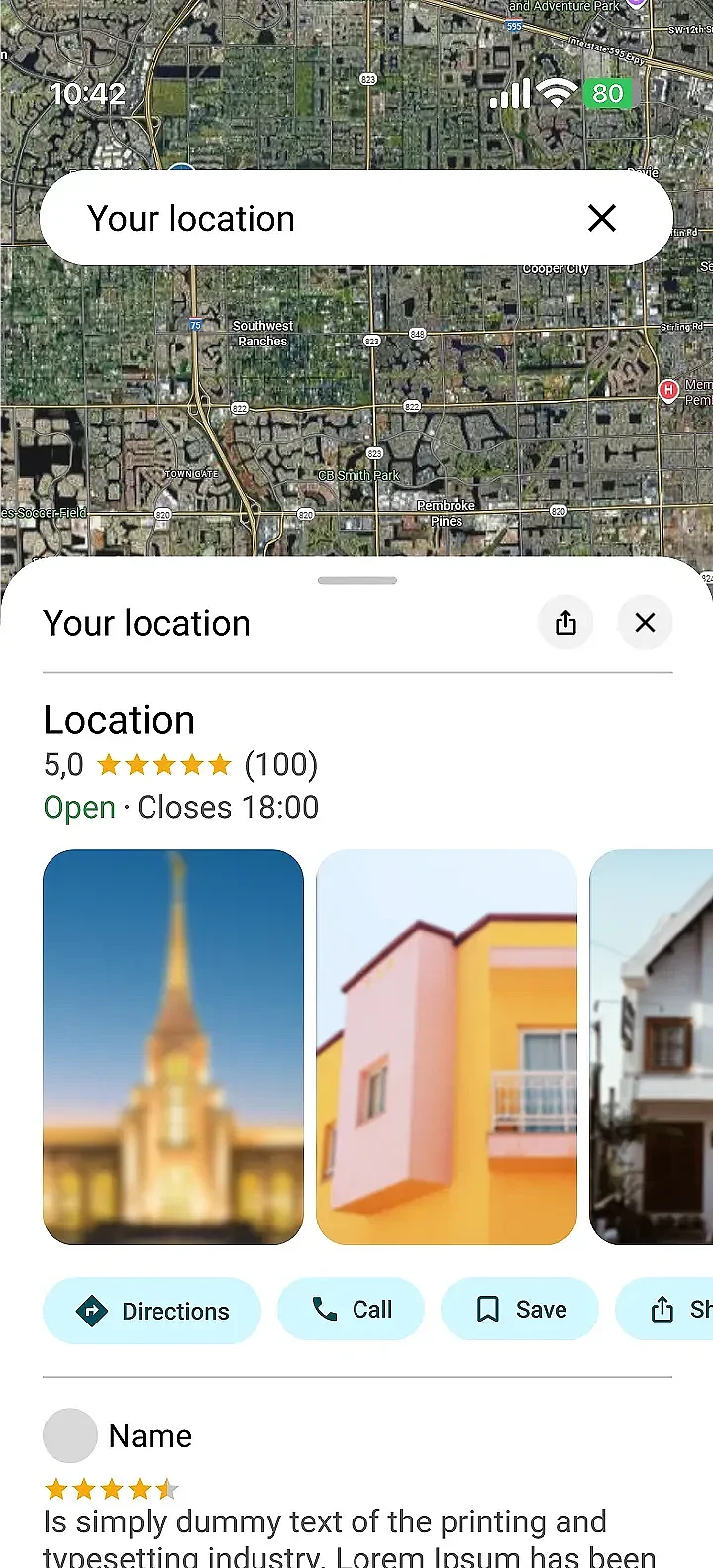

Before launch, we test the contact journey from the first click to an employee receiving the inquiry. Working links, necessary fields, and clear submission confirmations matter. A city page does not imply a local office: we publish only agreed, genuine contact details and service coverage.

Development concludes with a publication-readiness review, not with advertising being switched on. If you need analytics, we agree on events and settings in line with data requirements. This foundation supports a more informed discussion of future promotion without implying that inquiries will follow automatically.

A Foundation for a Wider Offer
If your company works beyond Jacksonville, the structure should reflect that without mixing geographic terms. General information stays shared, while regional pages explain differences in service. A new section should represent real capabilities rather than suggest an unconfirmed presence in another city.
Regional and language sections belong within the wider content system. Shared components maintain consistency, while independent materials explain differences in the offer. After checking team readiness and actual coverage, we can move to a separate discussion of a US market expansion strategy with agreed requirements for languages, navigation, and inquiry handling. New directions follow business and content readiness so each page explains genuine service terms, and staff understand who owns updates and the continuation of conversations with customers in the new territory.