Our Approach
Webdelo's Approach to Frontend Development
In front-end development, we use Vue.js as our main framework. It provides stable, predictable performance even in large projects with thousands of users. Vue.js is suitable for creating complex interfaces where speed, responsiveness, and security are crucial. Interfaces are designed as part of a microservices architecture — with REST and gRPC gateways, load balancing, caching, and CI/CD, ensuring reliability and frequent releases.
The company’s focus is on performance, SEO, scalability, and DevOps practices. The Vue architecture develops in modules: new components are implemented independently, updates occur without downtime, and monitoring detects issues before incidents. This reduces risks, stabilizes costs, and maintains the quality of user experience under increased load.
Vue.js
Vue.js as a project base
Why We Chose Vue.js
Vue combines simplicity, flexibility, and performance. For businesses, this means a quick start, easy scaling, and a stable architecture. TypeScript support enhances reliability, while a developed ecosystem accelerates solution finding. Vue is actively supported by the community and is evolving towards enterprise-level, making it a reliable choice for long-term projects.
Structure of Modern Projects
We apply a modular approach: separating business logic, UI layer, and service abstractions. The architecture is layered — components → services → repositories. This increases flexibility, simplifies testing, and makes teamwork easier. The use of aliases and a monorepo structure allows for shared modules between applications. This approach makes the system resilient and manageable, while development becomes predictable.
Transition to Composition API
Composition API makes the code cleaner and clearer. We use ref(), reactive(), computed(), and custom hooks (useAuth(), useSocket()) to extract reusable logic and business rules. This enhances readability and simplifies testing. As a result, the implementation of new features is accelerated, and the risk of errors during changes is reduced.
Data States
Working with Data States
Vuex and Pinia
Vuex is chosen for systems where strict structure is required, while Pinia is suited for more flexible solutions. Both support typing and modules. In conjunction with the Composition API, they provide transparent logic and ease of maintenance. This approach helps maintain stability even when expanding the team and functionality.
Global and Local States
We differentiate between global data (authentication, configuration) and local data related to components. For synchronization, we use localStorage and IndexedDB. This is especially important for offline mode and data caching on the client side. This approach reduces collisions, speeds up interface response, and makes interactions stable.
Working with API
REST requests are implemented via Axios with interceptors. In microservices architectures, we often use gRPC-Gateway or GraphQL. We configure a retry policy, exponential backoff for repeated requests, and client-side caching. In complex projects, we utilize rate limiting to reduce the load on the infrastructure. All of this enhances the reliability of the interface and improves performance.
Styling
Interfaces and Styling
Vuetify and TailwindCSS
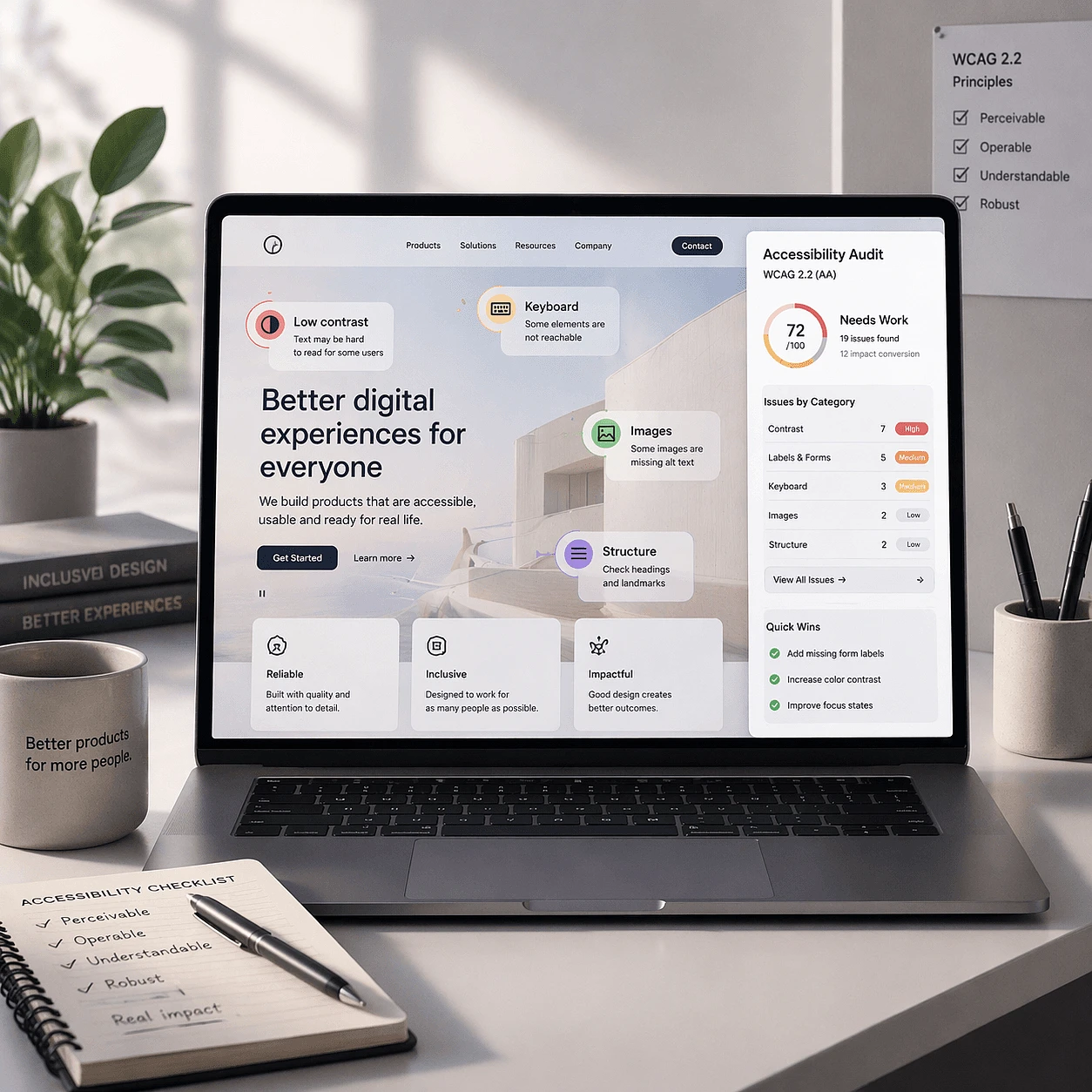
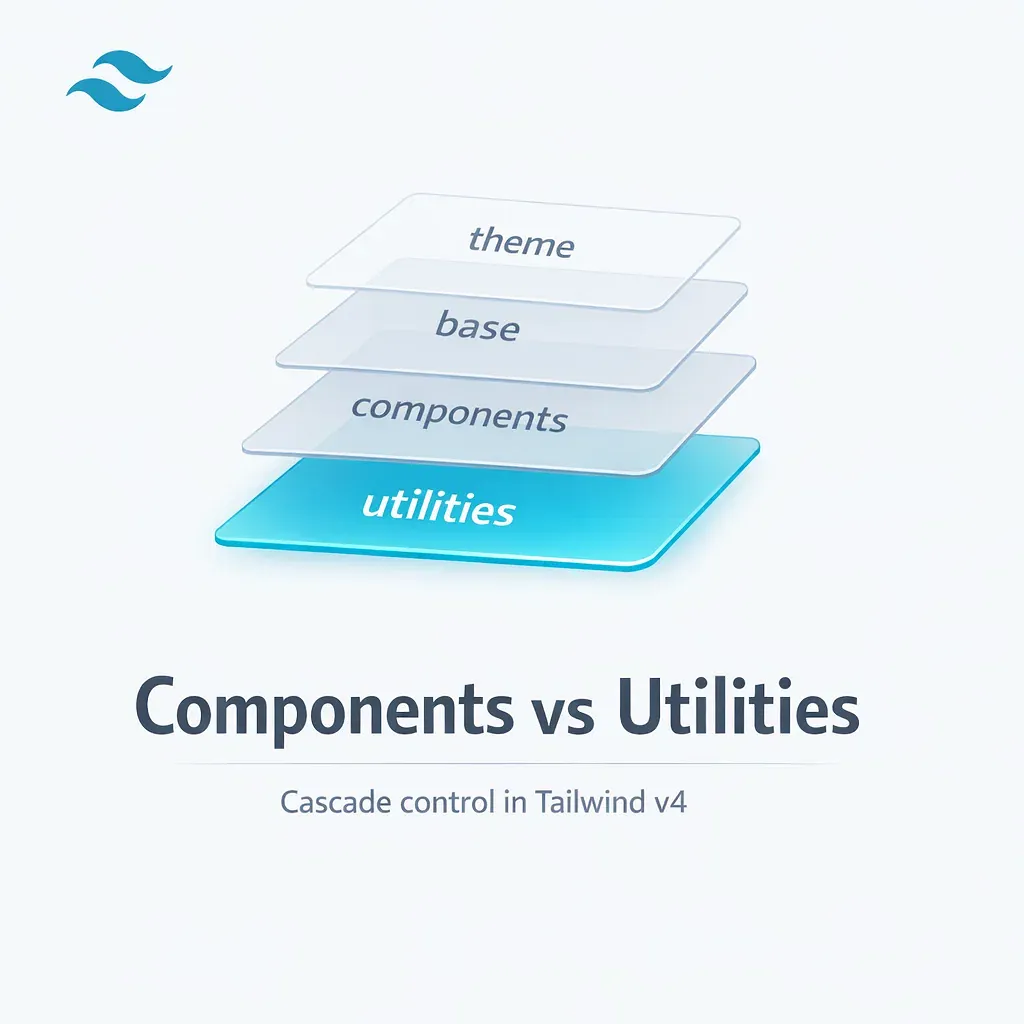
We use Vuetify for rapid prototyping, TailwindCSS for custom interfaces. SCSS and CSS modules provide design flexibility and style consistency. The choice of tool depends on the project's goals: quick launch or deep customization. Accessibility standards (a11y) are always taken into account to ensure the interface remains user-friendly for everyone.
Loading Optimization
To speed up loading, we use code splitting, lazy loading, dynamic imports, and tree-shaking. SplitChunks in Webpack/Vite and HTTP/2 push reduce the bundle size. Preloading critical resources cuts down render time. We regularly perform measurements using Lighthouse and WebPageTest. This process ensures responsiveness and interface stability.
Animations and transitions
Animations enhance clarity and engagement. Simple transitions are created using Vue and CSS, while complex ones are done through GSAP or Framer Motion. We monitor performance to ensure effects do not overload weak devices. If necessary, we enable adaptive motion and disable excessive animations on mobile.
Architecture
Architecture and Micro-Frontends
Code Structuring
We adhere to the principles of clean architecture: the code is divided into domain, service, and infrastructure layers. Configurations are placed in .env and secret storage. Unified coding standards and linters maintain quality and prevent technical debt. This makes the project manageable and facilitates scaling.
Storybook
Storybook is used for developing and testing components in isolation. Each component has scenarios, accessibility tests, and visual examples. Integration with CI/CD ensures the library is up to date. This accelerates development and facilitates interaction between teams.
Micro Frontends
In large projects, the interface is divided into independent modules. For this, Module Federation, single-spa, and qiankun are used. Teams can work in parallel, and releases can occur independently. This approach is convenient for international systems and multi-team developments, where flexibility and autonomy are important.
Sockets
Real-time and sockets
WebSocket in Vue
For real-time applications, we use WebSocket and Socket.IO. We configure automatic reconnection, heartbeat, and buffering. Redis stores session data, while clustering balances the load. This ensures stability even with thousands of active connections.
Application Examples
- Trading platforms with real-time quote and chart updates.
- IoT systems with instant device status tracking.
- Analytical dashboards with live data and visualization.
For reliability, we use Kafka and RabbitMQ. This stack guarantees message delivery without losses and allows scaling the system under load.
SEO
SEO and Performance
SSR and Nuxt.js
Server-Side Rendering speeds up loading and improves SEO. Nuxt handles meta tags, creates a sitemap, and supports multilingualism through i18n. CDN and caching enhance responsiveness. All of this improves rankings and reduces dependence on paid traffic.
SPA applications
For SPAs, we use prerendering and dynamic rendering of key pages. We configure Open Graph, Twitter Cards, and schema.org. This makes content understandable for search engines and improves the project's visibility in the results.
PWA based on Vue
Progressive Web Apps transform web applications into native ones: they support offline mode, push notifications, and installation on devices. Workbox automates caching and data synchronization. This approach enhances user engagement and retention.
Security
Frontend Security
Authentication and Authorization
We use OAuth2, JWT, and Sanctum for different login scenarios. Refresh tokens extend sessions, and 2FA enhances security. Data is stored securely, which increases user trust.
Route Protection
Vue Router with guard functions and Role-Based Access Control (RBAC) restrict access. For complex systems, we implement an Attribute-Based Access Control (ABAC) model. All actions are logged and analyzed, and suspicious activity is automatically blocked.
Security Practices
We implement Content Security Policy, HTTPS with HSTS, Subresource Integrity, and regular code audits. Dependabot updates dependencies, while external audits and Bug Bounty programs strengthen security. This approach reduces risks and increases trust in the product.
Testing
Testing
Unit tests
Components are covered by tests through Jest and Vitest. We use mocking APIs and snapshots to verify interfaces. This helps to find errors at an early stage and speeds up the implementation of changes.
Integration Tests
Cypress and Playwright verify key user scenarios — registration, payment, authorization. Tests are automatically launched in CI/CD on different devices and browsers. This enhances reliability and prevents regressions.
Load Testing
The k6 and Artillery tools simulate peak loads and evaluate performance. We are testing graceful degradation — partial functionality under overloads. This reduces the risk of downtime and maintains stability under high traffic.
CI/CD and DevOps
CI/CD and DevOps for Frontend
Automation
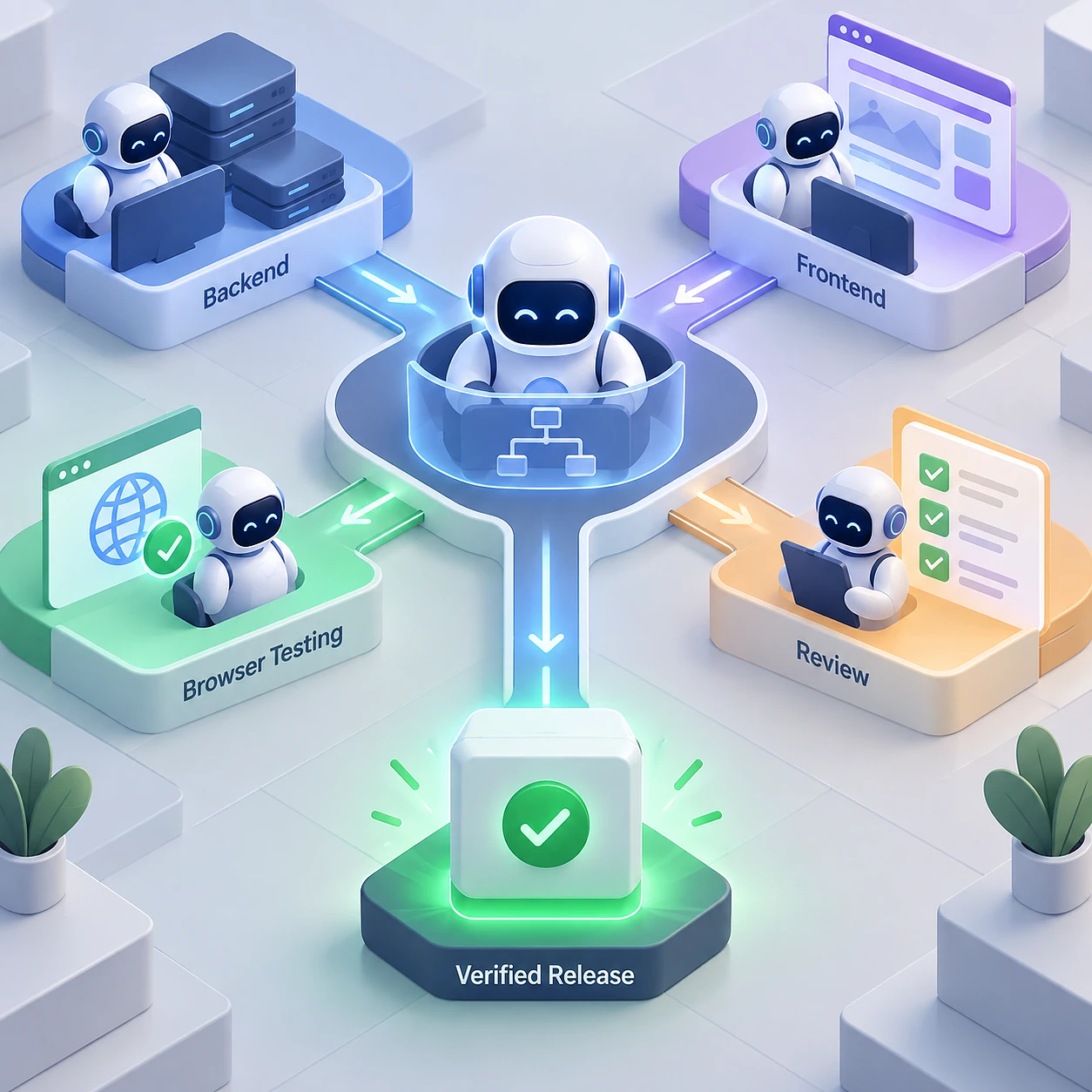
GitHub Actions and GitLab CI automate building, testing, and deployment. Blue-Green and Canary Deployment allow for system updates without downtime. This speeds up releases and makes the process predictable.
Kubernetes and serverless
The frontend is deployed in Kubernetes using HPA for automatic scaling. For individual functions, we use Vercel, Netlify, and AWS Lambda. Terraform and Pulumi manage infrastructure as code. This increases flexibility and reduces costs.
Monitoring
Sentry tracks client errors, Prometheus and Grafana monitor metrics, Datadog handles logs and analytics. Alerts for SLA and SLO help respond to problems in a timely manner. Such monitoring supports the quality and stability of the product.
Conclusion
The frontend at Webdelo combines user-friendly interfaces, scalable architecture, and mature DevOps practices. The use of Vue.js, microfrontends, and real-time technologies makes projects resilient and competitive. CI/CD, testing, and monitoring ensure stable releases, while a well-thought-out architecture reduces risks and enhances the product's value for business.